Primary packaging. Secondary packaging. Tertiary packaging. If you've spent any time developing a physical product, you've probably heard all three thrown around.
The difference is actually pretty simple.
Primary packaging is the packaging that directly contains your product. Think the bottle holding your shampoo, the tube holding your moisturizer, or the jar your supplements come in.
Secondary packaging sits around the primary package. That might be the folding carton around a skincare bottle, the box holding a tube of toothpaste, or a multipack grouping several products together.
Then there's tertiary packaging. These are the corrugated cases, pallets, stretch wrap, and other materials used to get your packaged products from point A to point B.
Simple enough, right?
Where it gets more complicated is figuring out what your product actually needs. Each layer has a different job to do, and decisions at one level can affect everything from product compatibility and usability to shipping costs and what eventually ends up in the recycling bin.
Let's break it down.
Primary vs. Secondary Packaging at a Glance
| Primary Packaging | Secondary Packaging | Tertiary Packaging | |
|---|---|---|---|
| Main job | Contains and dispenses the product | Protects or groups primary packages | Helps move products through storage and distribution |
| Touches the product? | Usually | Usually not | No |
| Common examples | Bottles, jars, tubes, pouches, compacts | Folding cartons, boxes, multipacks | Corrugated cases, pallets, stretch wrap |
| Seen by the consumer? | Usually | Sometimes | Rarely |
| What matters most | Compatibility, dispensing, protection, usability | Protection, presentation, packing efficiency | Transit protection, handling, shipping efficiency |
What Is Primary Packaging?
Primary packaging is the packaging closest to your product. In most cases, it's the packaging your product actually lives in.
For a facial serum, that might be a glass bottle and dropper. For body lotion, it could be a PET bottle and pump or a squeeze tube. Lipstick? The lipstick case itself is the primary package.
Because primary packaging is usually in direct contact with the formula, there's a lot more riding on this decision than how good it looks on shelf.
Compatibility comes first
Your formula and your packaging need to get along.
Oils, alcohols, acids, fragrances, and other ingredients can interact differently with different packaging materials. That's why compatibility testing matters, especially when you're choosing between materials like PET, HDPE, PP, glass, or aluminum.
And don't forget about everything attached to the container. Your bottle might work perfectly well with the formula while a liner, gasket, dip tube, or another part of the dispensing system doesn't.
Probably not something you want to find out after 20,000 units have been filled.
It has to actually work
Sounds obvious, right? But dispensing is one of those things that's easy to underestimate until you're testing production samples.
A thick body cream needs a very different dispensing system than a watery facial toner. Pump dosage matters. Orifice size matters. Dip tube length matters. The amount of product left behind when the consumer thinks the package is "empty" can matter too.
The right primary package doesn't just hold your product. It should make the product easy to use.
That's why a beautiful bottle that doesn't work with your formula is still the wrong bottle.
And yes, it still has to look good
Primary packaging is often what consumers interact with the most, so material, shape, color, decoration, and branding all come into play.
A skincare bottle might sit on someone's bathroom counter for three months. A shampoo bottle has to survive a wet shower. A lipstick tube might live in a handbag and get opened several times a day.
How and where the product will actually be used should influence the package you choose.
Examples of Primary Packaging
Primary packaging can take a lot of different forms depending on the product inside. Some common examples include:
- Bottles for shampoo, lotion, household cleaners, beverages, and supplements
- Jars for creams, scrubs, powders, gummies, and food products
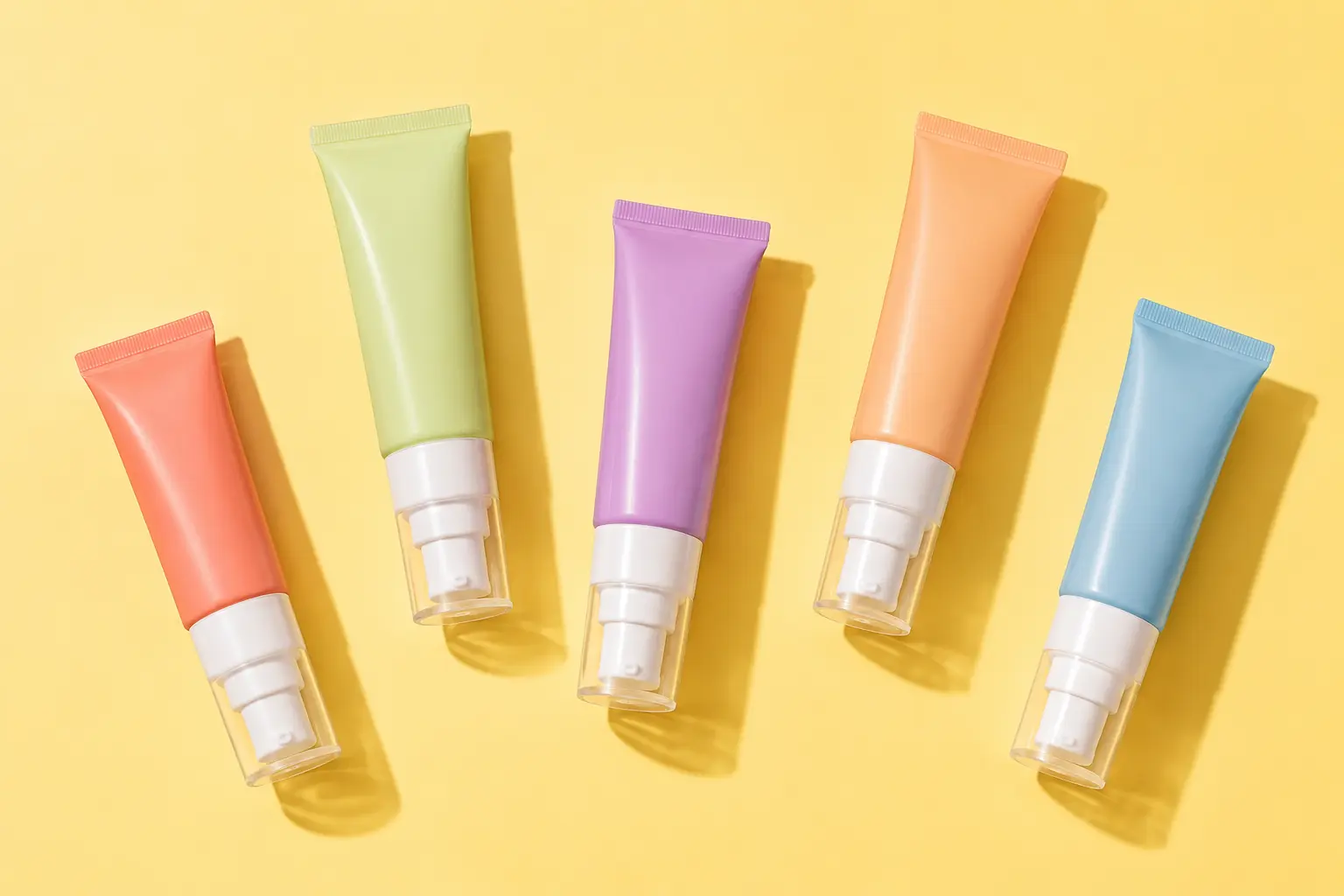
- Tubes for skincare, cosmetics, toothpaste, and personal care products
- Pouches and sachets for food, supplements, samples, and personal care products
- Airless bottles and jars for skincare and cosmetic formulas
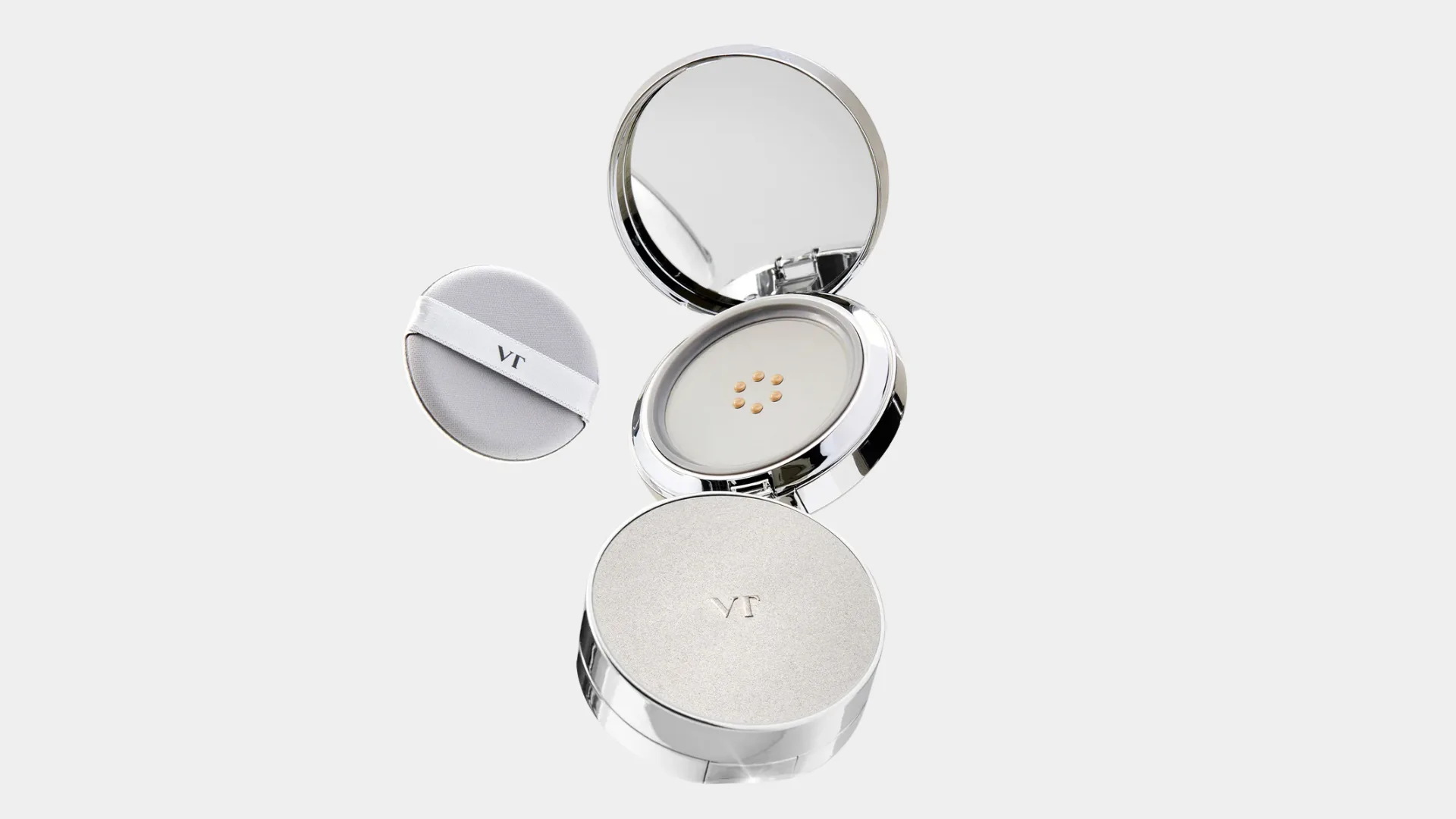
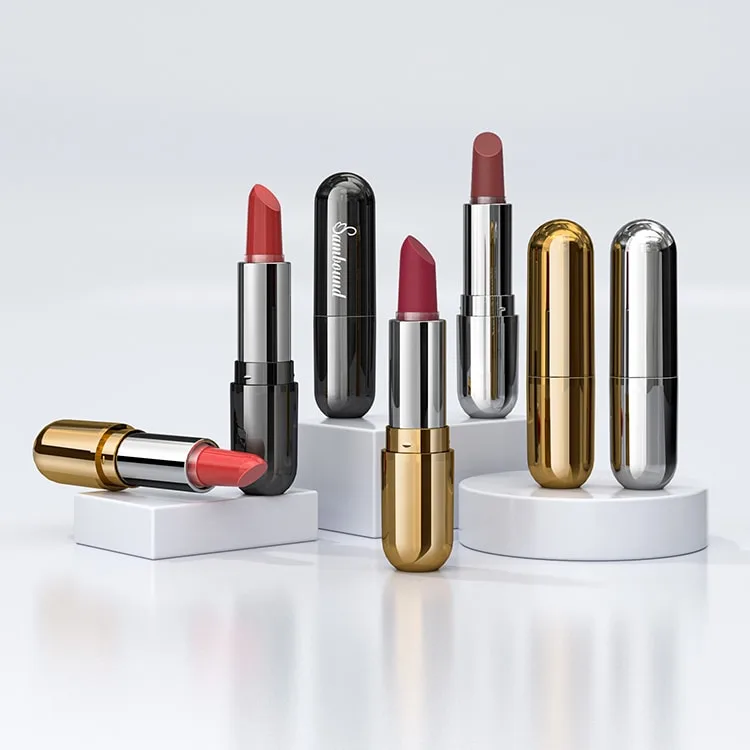
- Cosmetic packaging such as compacts, mascara tubes, lip gloss tubes, and lipstick cases
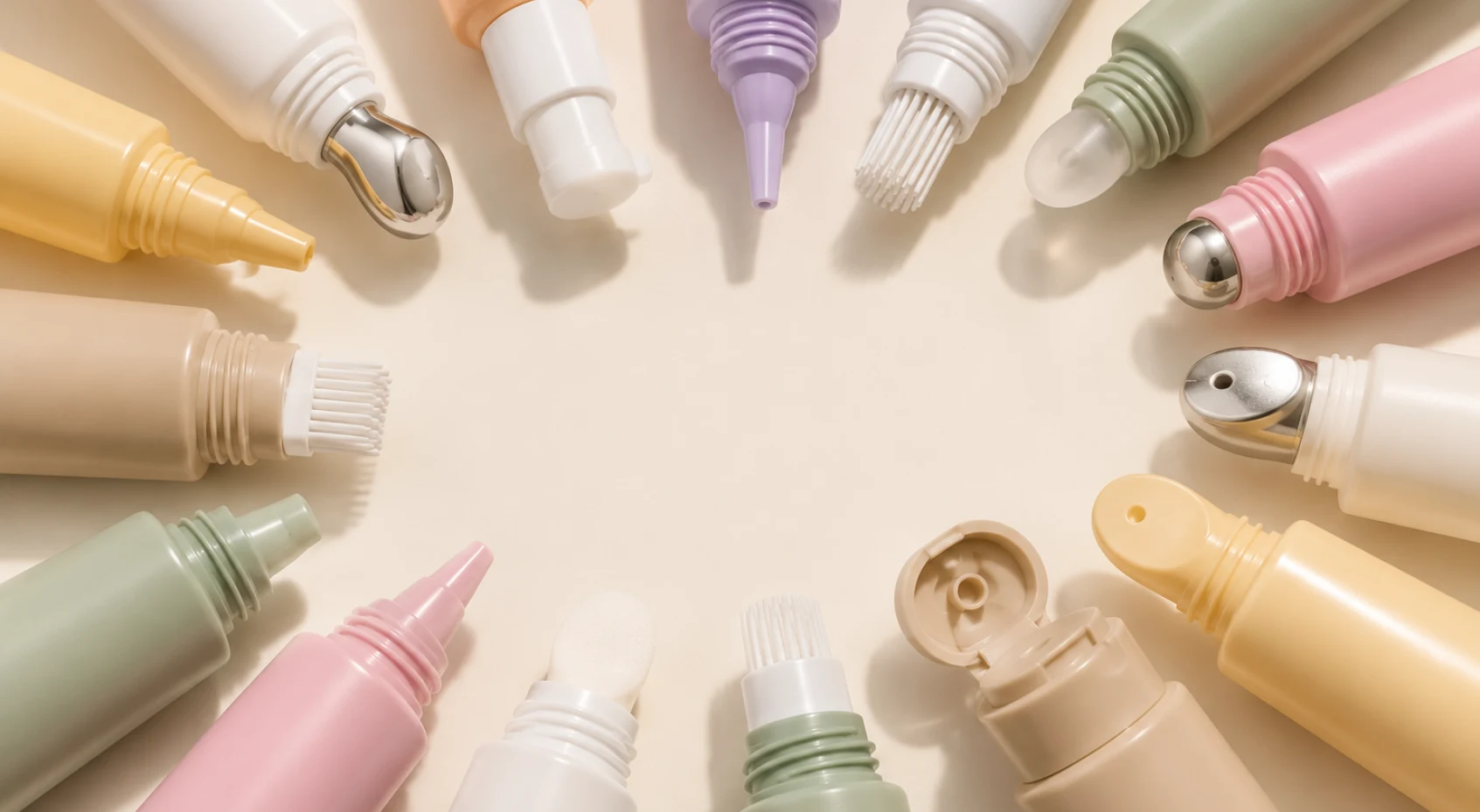
- Pumps, sprayers, droppers, and closures used as part of the primary packaging system
That last point is an important one. Primary packaging isn't always just the container. A bottle, pump, gasket, dip tube, and overcap may all need to work together as one packaging system.
What Is Secondary Packaging?
Secondary packaging surrounds or groups your primary packaging.
A folding carton around a serum bottle is secondary packaging. So is the box around a tube of toothpaste. A paperboard sleeve holding several cans or bottles together can be secondary packaging too.
Unlike primary packaging, secondary packaging usually doesn't touch the actual product. That gives you more flexibility when it comes to materials, but it doesn't make the secondary package any less important.
First, it needs to protect the primary package
Your primary packaging rarely goes straight from the filling line into a consumer's hands.
It gets packed. Stacked. Shipped. Put on shelves. Picked up. Put back. Shipped again if it's sold online.
Secondary packaging can help protect the primary package through all of that.
This becomes particularly important with fragile primary packaging like glass bottles and jars, or products with components that can be scratched, damaged, or accidentally actuated during transportation.
It's also valuable real estate
A folding carton gives you something a 30 mL bottle doesn't have much of: space.
That extra room can be used for instructions, ingredient information, regulatory copy, branding, product claims, barcodes, and other information that may be difficult to fit onto the primary package.
It also gives brands another opportunity to shape how the product feels when someone first picks it up or opens it.
But that doesn't mean every product needs one.
Do you actually need secondary packaging?
Not always.
Walk down a shampoo aisle and you'll see plenty of bottles sitting directly on shelf without individual cartons. The bottle is the primary package and the consumer-facing sales unit.
Other products are much more likely to use secondary packaging. Fragrance bottles, facial serums, premium skincare, toothpaste, and many cosmetic products commonly come in folding cartons.
There's a cost and sustainability consideration here too. Adding a carton means adding another material, another component to source, another step in the packing process, and eventually another piece of packaging for someone to dispose of.
If secondary packaging isn't protecting the product, providing necessary information, improving distribution, or serving another clear purpose, it's worth asking if you need it in the first place.
Examples of Secondary Packaging
Common types of secondary packaging include:
- Folding cartons
- Paperboard boxes
- Corrugated boxes
- Sleeves
- Multipack cartons
- Display-ready packaging
- Protective inserts and dividers
- Trays used to group primary packages
One thing to remember is that the same type of packaging isn't automatically primary or secondary.
A paperboard box containing loose tea could be the primary package if it directly contains the product. Put individually wrapped tea bags inside that box, and the role of the box changes.
It's the package's relationship to the product that matters.
Wait, What About Tertiary Packaging?
This is the packaging consumers don't usually see.
Tertiary packaging groups larger quantities of finished products so they can be stored, handled, and transported through the supply chain.
Think corrugated master cases, pallets, stretch wrap, corner protection, and other shipping materials.
It may not be the glamorous part of packaging development, but it matters. A lot.
There's little point spending months getting your bottle, decoration, and carton exactly right if the finished product arrives at your warehouse crushed, scratched, or leaking.
Tertiary packaging also affects pallet efficiency, freight costs, warehouse handling, and how many units you can move at once. For brands shipping large volumes, seemingly small changes to case dimensions or pallet configuration can add up quickly.
How Primary, Secondary, and Tertiary Packaging Work Together
Let's use a 30 mL facial serum as an example.
The primary packaging might be a 30 mL glass bottle with a dropper closure. That's what holds and dispenses the serum.
The bottle then goes inside a printed folding carton. That's the secondary packaging. It protects the decorated bottle and gives the brand more space for product information and branding.
Those finished cartons are packed into corrugated master cases. The cases are stacked onto pallets and wrapped for shipment. That's the tertiary packaging.
Three different layers. Three different jobs.
And they shouldn't be developed completely independently.
Changing the dimensions of your primary bottle can change the carton. Changing the carton can change how many units fit in a master case. That can change your pallet configuration, which can ultimately change your freight costs.
Packaging decisions have a habit of traveling downstream.
What Should You Consider When Choosing Primary Packaging?
If you're starting a new packaging project, the product itself should lead the conversation.
What's going inside it? Start with the formula and its compatibility requirements.
How much product are you filling? Your target fill doesn't always correspond exactly with a container's stated capacity, so confirm the appropriate fill level with your packaging and filling partners.
How should the product dispense? A pump, sprayer, dropper, flip-top closure, disc-top closure, or simple threaded cap can completely change how someone uses the product.
Where will it be used? Packaging designed for a shower faces different conditions than something sitting on a bathroom vanity or being carried around in a handbag.
How will it be filled? Your package needs to work with your filling and assembly process, not just the end consumer.
How will it be decorated? Labels, screen printing, hot stamping, coating, metallization, and other decoration options can have different requirements depending on the material and package design.
How will it ship? It's much easier to think about transit protection before you've finalized every dimension than after.
And most importantly, test it.
Samples are there for a reason. Compatibility testing, dispensing tests, leak testing, drop testing, and transit testing can catch problems that aren't obvious from a drawing or a beautiful render.
Is Sustainable Packaging Primary or Secondary?
Both.
Sustainability isn't a separate layer of packaging. It should be considered across primary, secondary, and tertiary packaging.
For primary packaging, that might mean reducing material weight, incorporating recycled content where appropriate, choosing a more readily recyclable material or simplifying a multi-component package.
For secondary packaging, sometimes the biggest opportunity is simply using less of it. Removing an unnecessary carton can have a bigger impact than swapping one carton material for another.
Tertiary packaging matters too. Better case packing and pallet efficiency can reduce the amount of material used and the space products take up in transportation.
There isn't one universally "sustainable" packaging material or format. The better question is what makes sense for the product, the packaging system, and what happens to it after use.
Frequently Asked Questions
What is the difference between primary and secondary packaging?
Primary packaging directly contains the product, while secondary packaging surrounds or groups the primary package. A lotion bottle is primary packaging, for example, while the folding carton around that bottle would be secondary packaging.
What are some examples of primary packaging?
Bottles, jars, tubes, pouches, sachets, compacts, lipstick cases, and other containers that directly hold a product are common examples of primary packaging. Pumps, sprayers, droppers, and closures can also form part of the primary packaging system.
What are some examples of secondary packaging?
Folding cartons, boxes, sleeves, multipacks, trays, and protective inserts are common examples. Secondary packaging usually surrounds one or more primary packages without directly contacting the product itself.
Is a cardboard box primary or secondary packaging?
It depends on what's inside it. If a box directly contains the product, it may be primary packaging. If it surrounds another package that contains the product, it's secondary packaging. A corrugated box grouping multiple finished products for shipment may instead be tertiary packaging.
Is a bottle primary packaging?
Usually, yes. If the bottle directly contains the formula or product, it's considered primary packaging.
Does every product need secondary packaging?
No. Plenty of products are sold without an individual carton or other secondary package. Whether you need one depends on protection, regulatory and labeling needs, merchandising, branding, distribution, and the product itself.
What is tertiary packaging?
Tertiary packaging is used to group and protect larger quantities of packaged products during storage and transportation. Corrugated master cases, pallets, stretch wrap, and protective shipping materials are common examples.
Finding the Right Packaging for Your Product
Primary packaging gets a lot of attention, and for good reason. It's the package your product lives in and the one your customer will probably interact with the most.
But it doesn't exist in a vacuum.
Your primary package has to work with your formula. Your secondary packaging has to work with your primary package. And everything eventually has to survive manufacturing, packing, warehousing, and shipping.
Start with the product. Figure out what the packaging actually needs to do. Then build the rest of the system around it.
Looking for primary packaging? Let's talk.