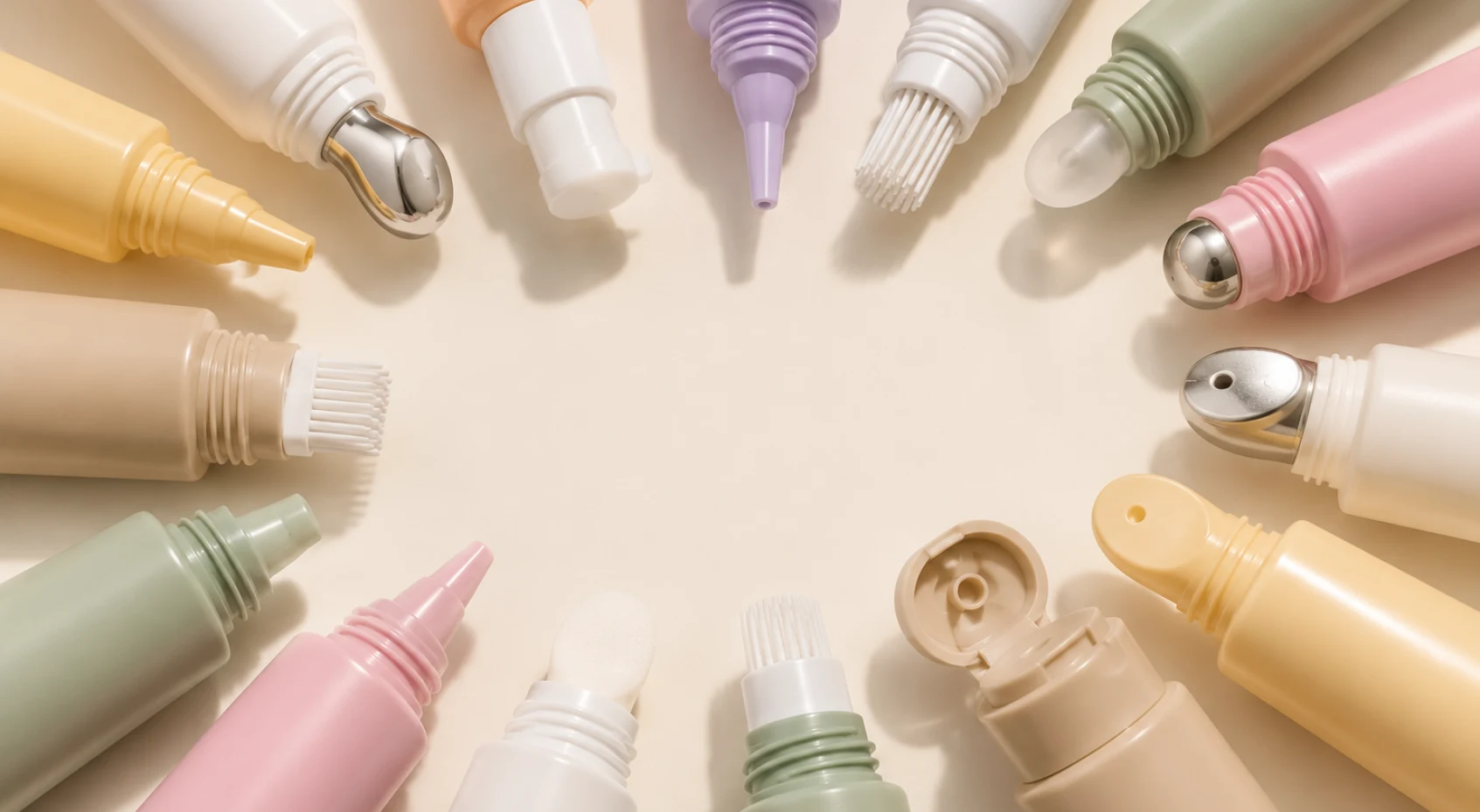
Choosing the right cosmetic tube applicator can transform the user experience. Tube applicators have moved well past the flip top and screw cap. Those two still dominate beauty and personal care shelves globally, and for good reason, but they're no longer the only options on the table. Over the last few years, suppliers and brands alike have gotten genuinely creative about the application experience focusing on innovative headstyles and applicators.
From airless pump tubes to zamac cooling applicators, here's a comprehensive guide to squeeze tube applicators. What each one does well, formula considerations, in-market examples, and which cosmetic tube suppliers to source them from.
Looking to source cosmetic squeeze tube packaging?
Why Tube Head Styles & Applicators Matter
A head style can change how cool something feels on the skin, whether a formula gets massaged in or just spread on, how precisely it's dosed, whether it's easy to apply somewhere awkward like a hairline or an eyelid.
So instead of defaulting to a default flip top or screw cap, it's worth walking through the options your supplier offer. Leading cosmetic tube manufactures like UDN Packaging & Lisson pride themselves on offering literally hundreds of different headstyles, many of which are actually patented. There are more of them than most people realize, and a few are genuinely underused for what they're good at.
Types of Cosmetic Tube Applicators
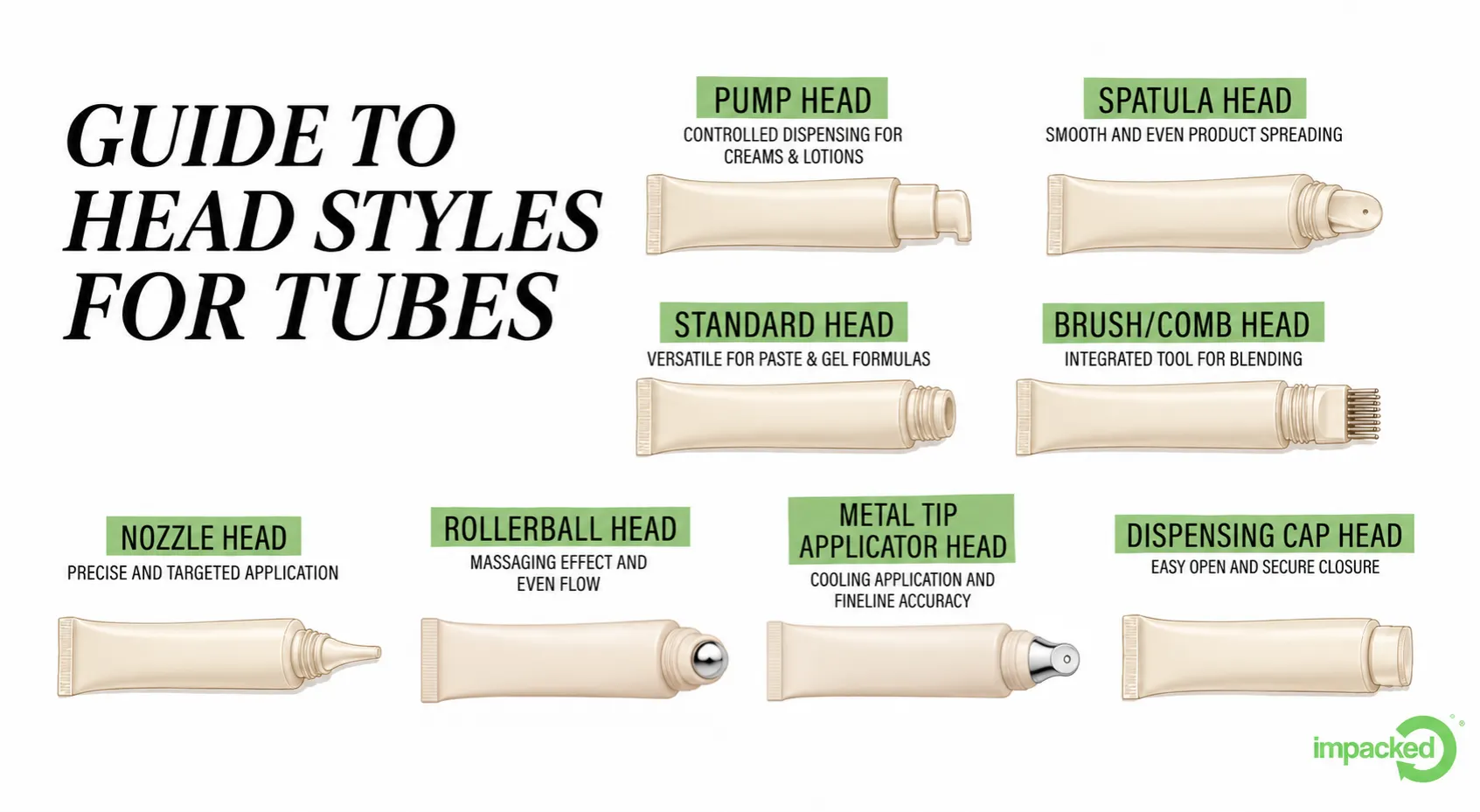
Dispensing Caps
Best for: Cleansers, lotions, creams, masks, balms
This is the workhorse. In most cases it's the cheapest option on this list, compatible with almost anything you put in front of it and most filling lines, and it's typically a supplier's default option. Standard dispensing caps aren't as exciting as the other options, but boring is a perfectly good business decision when it performs.
Tubes with flip top caps, disc top caps, screw caps, snap-ons, twist-tops, single-dose twist-offs, all fall under this umbrella. With a standard dispensing cap, the orifice size and closure style are really the main levers for customizing the experience.
Dispensing Cap Tube Applicator Examples

Caudalie Hand and Nail Cream
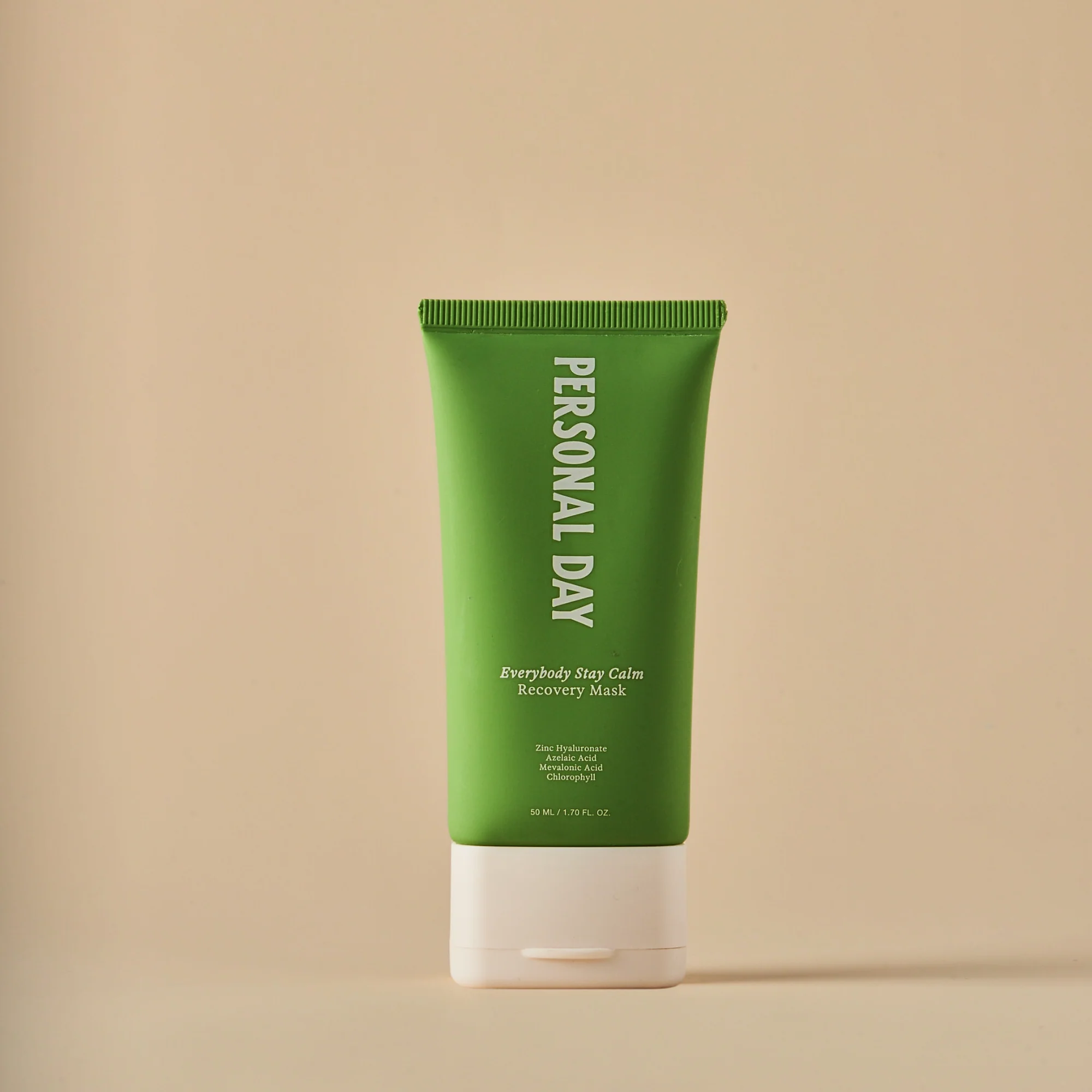
Personal Day Everybody Stay Calm Recovery Mask
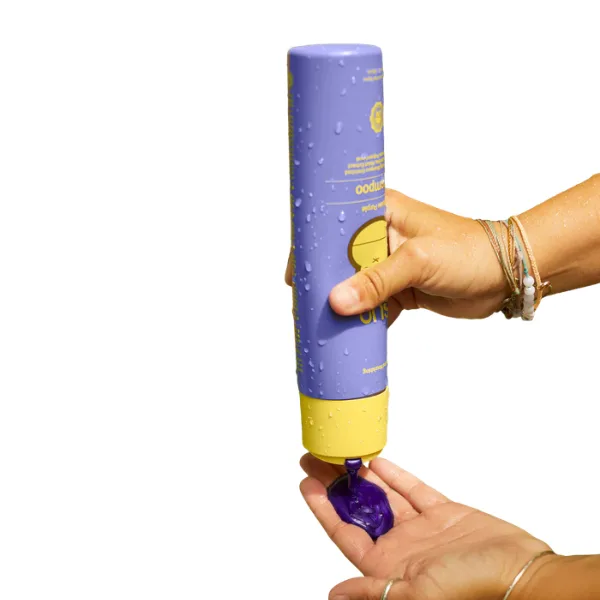
Sun Bum Blonde Purple Shampoo
Brushes & Combs
Best for: Hair serums, scalp treatments, concealers, hair oils
You don't see tubes with brush & comb applicators nearly as often as the standard heads, which is exactly why it stands out on shelf. Comb-style applicators in particular have become more common for scalp care because they distribute product between strands while massaging at the same time, and once a customer feels that, a plain screw cap feels like a downgrade.
Key considerations: Thick formulas can clog small bristled openings fast, and whatever material the brush or comb is made from needs to get along with your formula, not just look good on day one. Cleaning is also worth thinking through before launch, not after complaints start coming in.
Brush & Comb Tube Applicator Examples
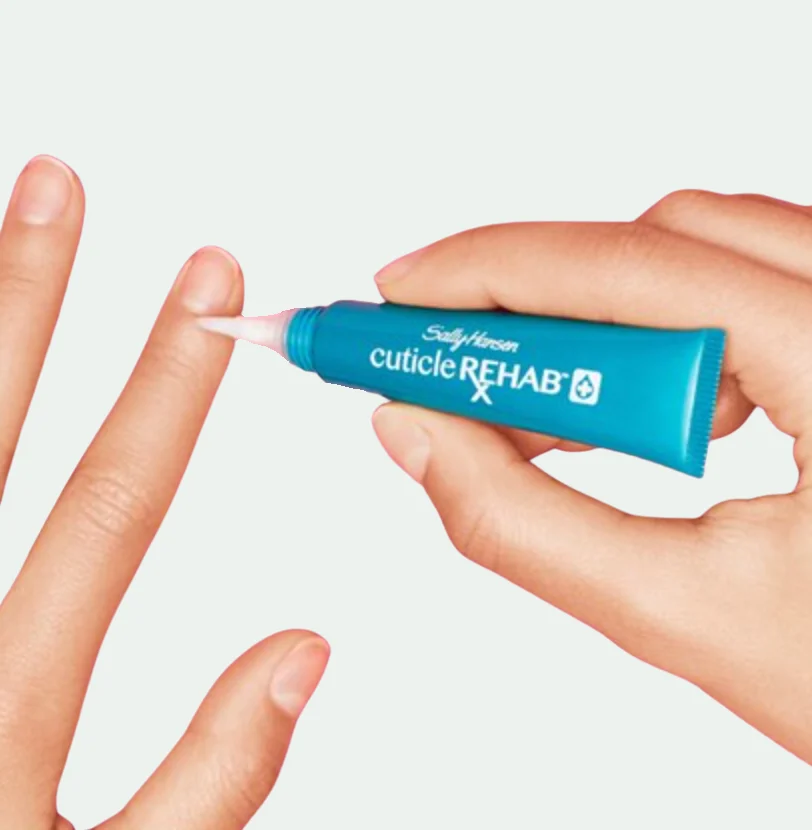
Sally Hansen Cuticle Rehab Treatment

L.A. Girl HD Pro. Conceal Concealer
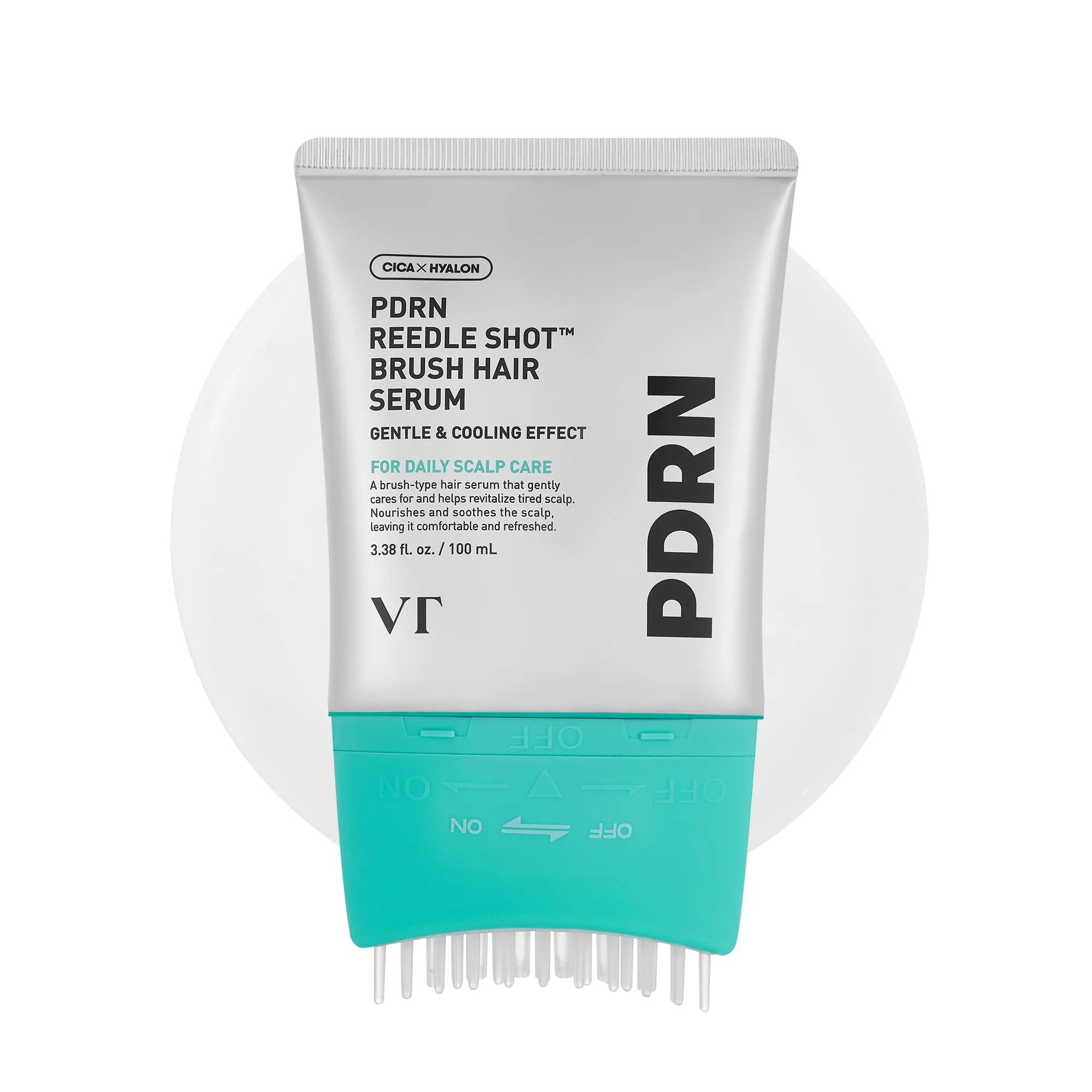
VT Reedle Shot Brush Hair Serum
Rollers & Massage Applicators
Best for: Eye serums, fragrances, cooling gels, brightening treatments (lower viscosity formulas)
This category covers more than just the classic tube with roller ball head - massage rollers, massage heads, vibrating massage heads, and scalp massagers all fall under it, and each one dispenses product while doing a little bit of the application work for you. It's a nice bit of efficiency, and they're a big reason lip oils turned into a whole category. But I want to flag something that gets skipped more than it should: the viscosity of your formula really needs to be the right fit for this format to work as intended. If the ball doesn't move smoothly, or the formula is a hair too thick, the entire value of the format disappears, and you're just left with an expensive cap. Thorough testing should not be skipped here.
Roller & Massage Tube Applicator Examples
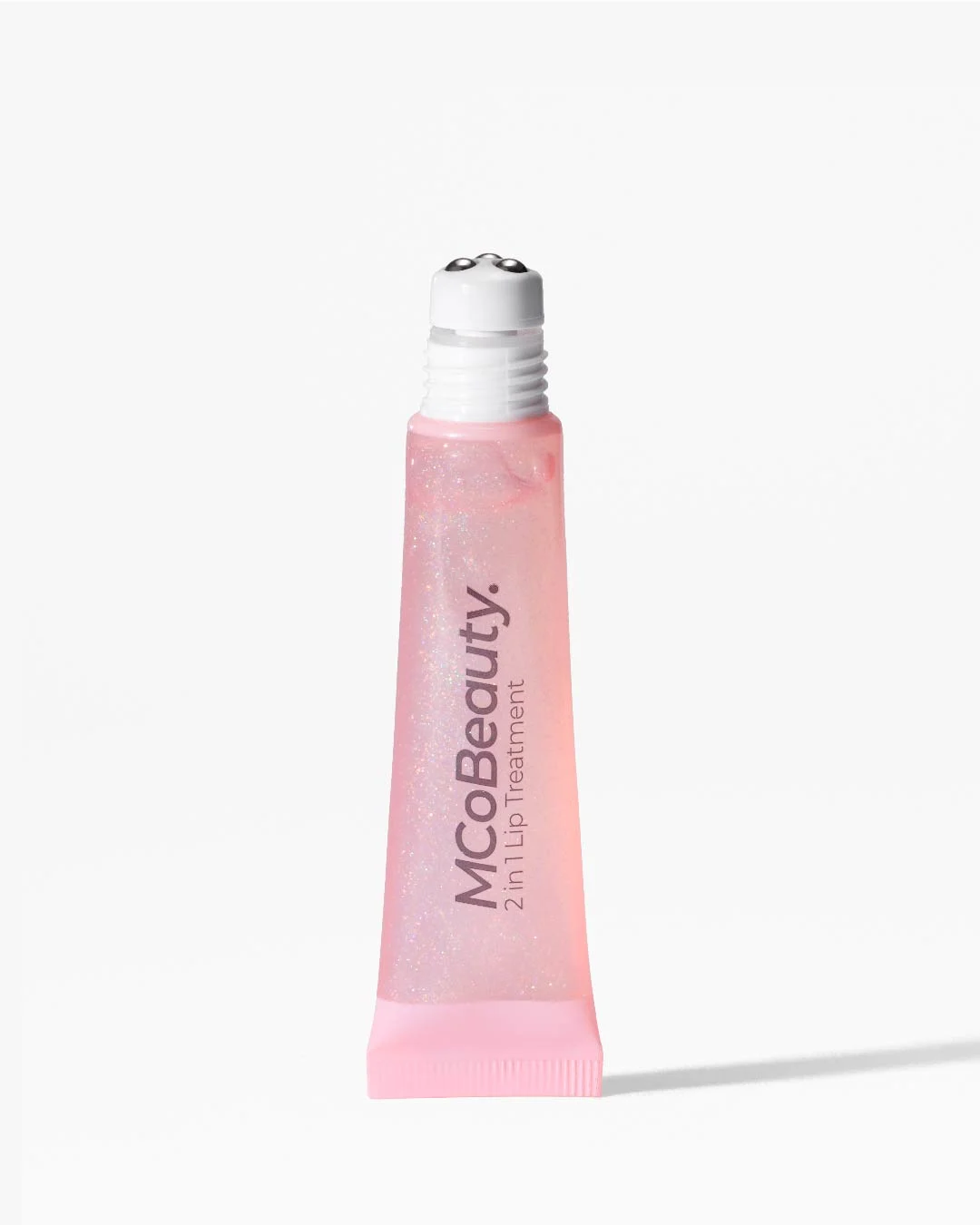
MCoBeauty 2-in-1 Glow & Treat Lip Oil
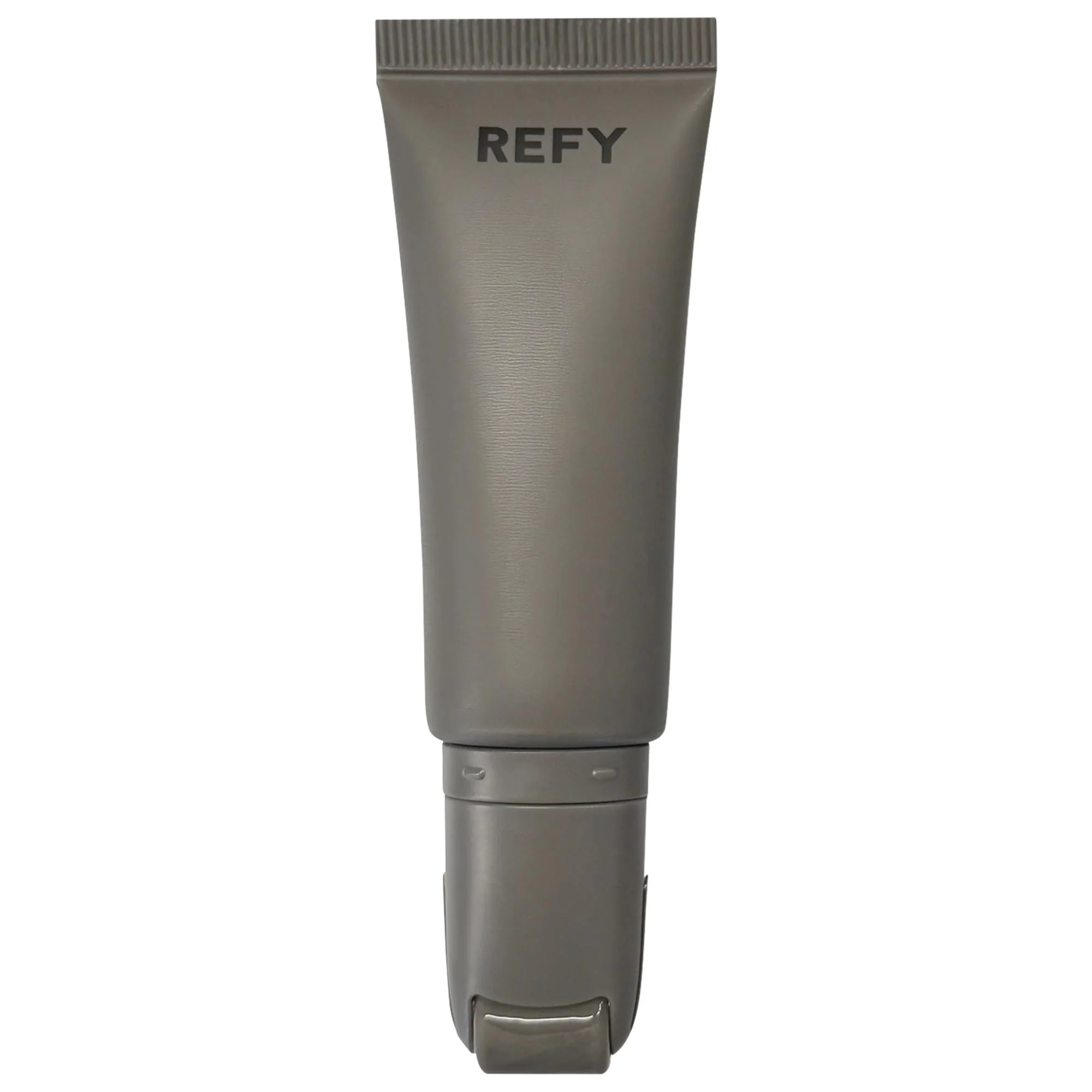
REFY Glow and Sculpt Face Serum Primer
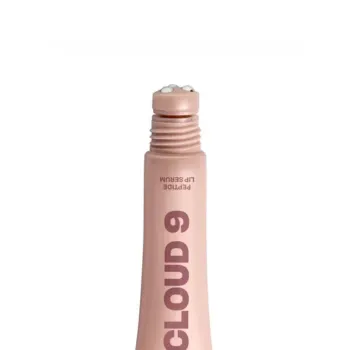
Babe Original Cloud 9 Lip Serum
Direct Applicators & Spatulas
Best for: Eye creams, lip glosses, spot treatments
The appeal here is simple: product goes straight from the applicator or spatula onto the skin, no detour through your hand first. Silicone tips especially have gotten good, soft enough to feel premium, easy enough to wipe clean that people actually will.
The honest downside is that very thin formulas can spill or run off the applicator too quickly to control, so this applicator is definitely not a one-size fits all - it works best with something that holds its shape on the tip.
Direct Applicator & Spatula Tube Examples
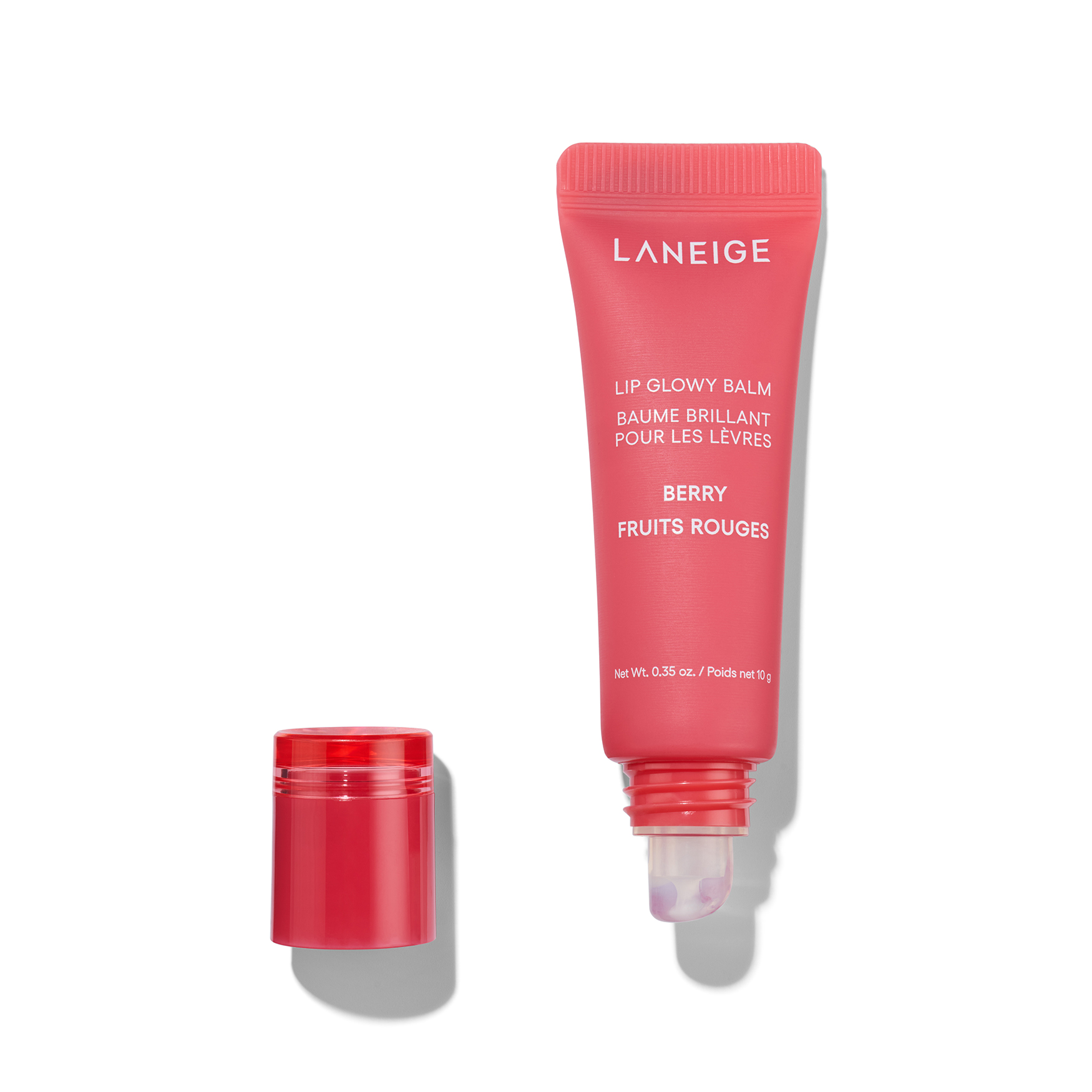
LANEIGE Lip Glowy Balm
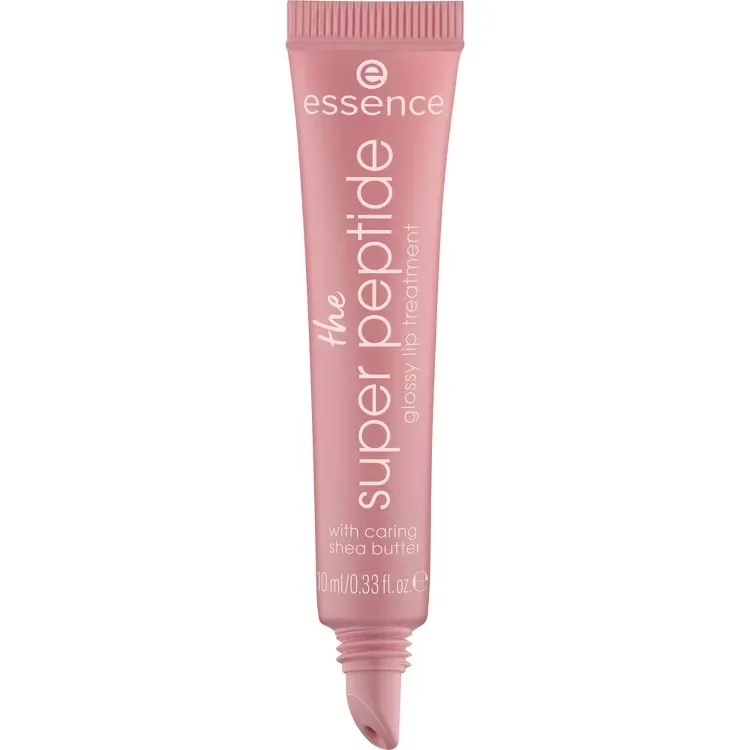
Essence The Super Peptide Glossy Lip Treatment
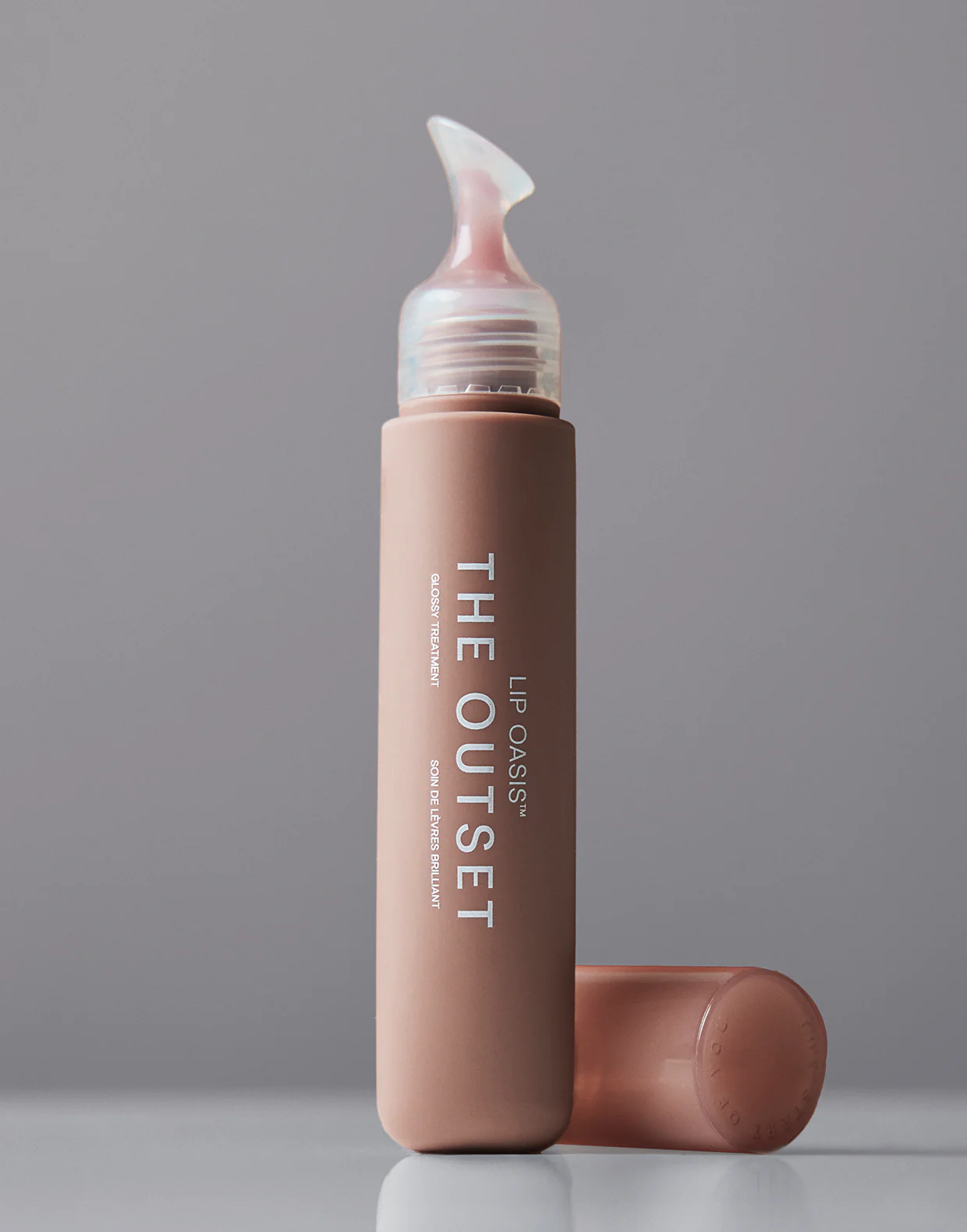
The Outset Lip Oasis
Nozzles
Best for: Acne treatments, lip oils, hairline treatments, medical-inspired skincare
If precision is the whole point of your product — a spot treatment, a hairline serum, anything built on the promise of landing exactly where it's needed and nowhere else — don't cheap out on the nozzle tube. This category covers more ground than people expect: needle nose tubes, cannula, ophthalmic tip, dropper bulb, standard nozzle, and oval or ribbon tip are all variations on the nozzle applicator, and the right one comes down to how small a target you're trying to hit.
Small openings clog; that's just physics, so formula thickness and nozzle diameter need to be matched before you fall in love with the look.
Nozzle Tube Applicator Examples
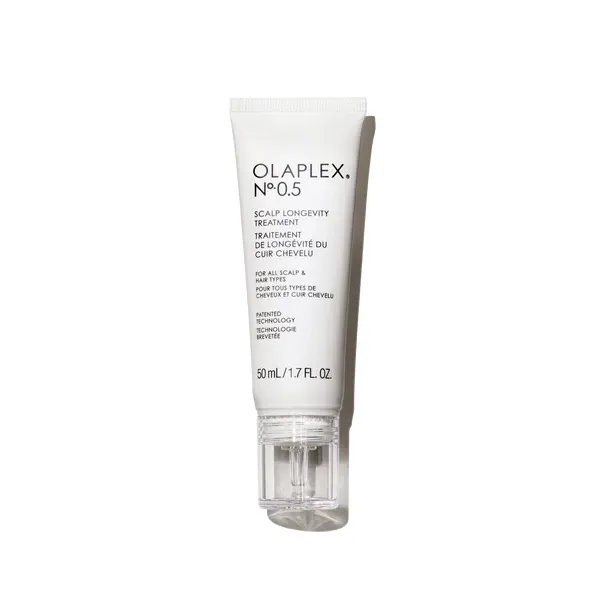
Olaplex N°0.5 Scalp Longevity Treatment
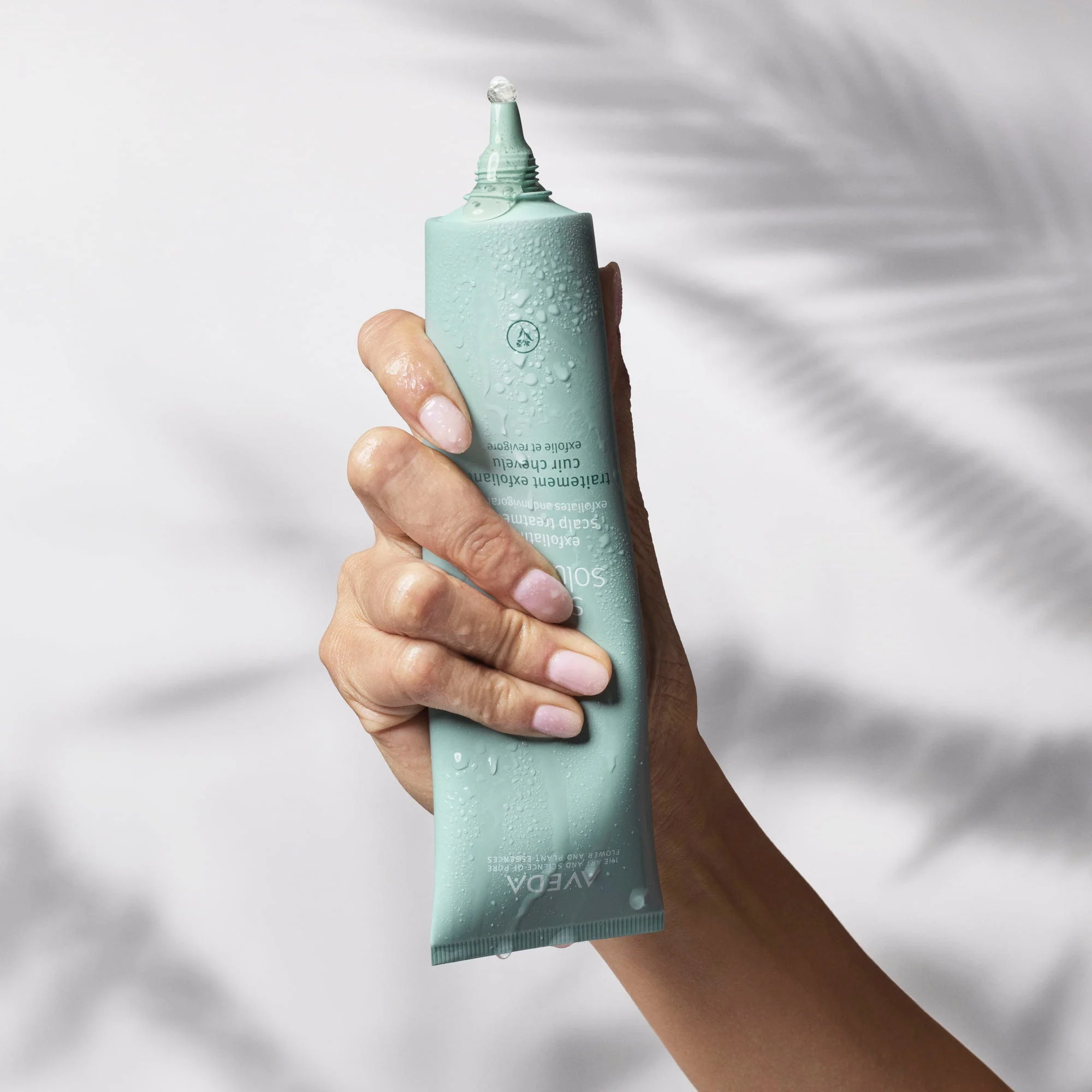
Aveda Scalp Solutions Exfoliating Scalp Treatment

Living Proof Scalp Care Dry Scalp Treatment
Pumps & Sprayers
Best for: Facial mists, serums, sunscreens, airless skincare treatments
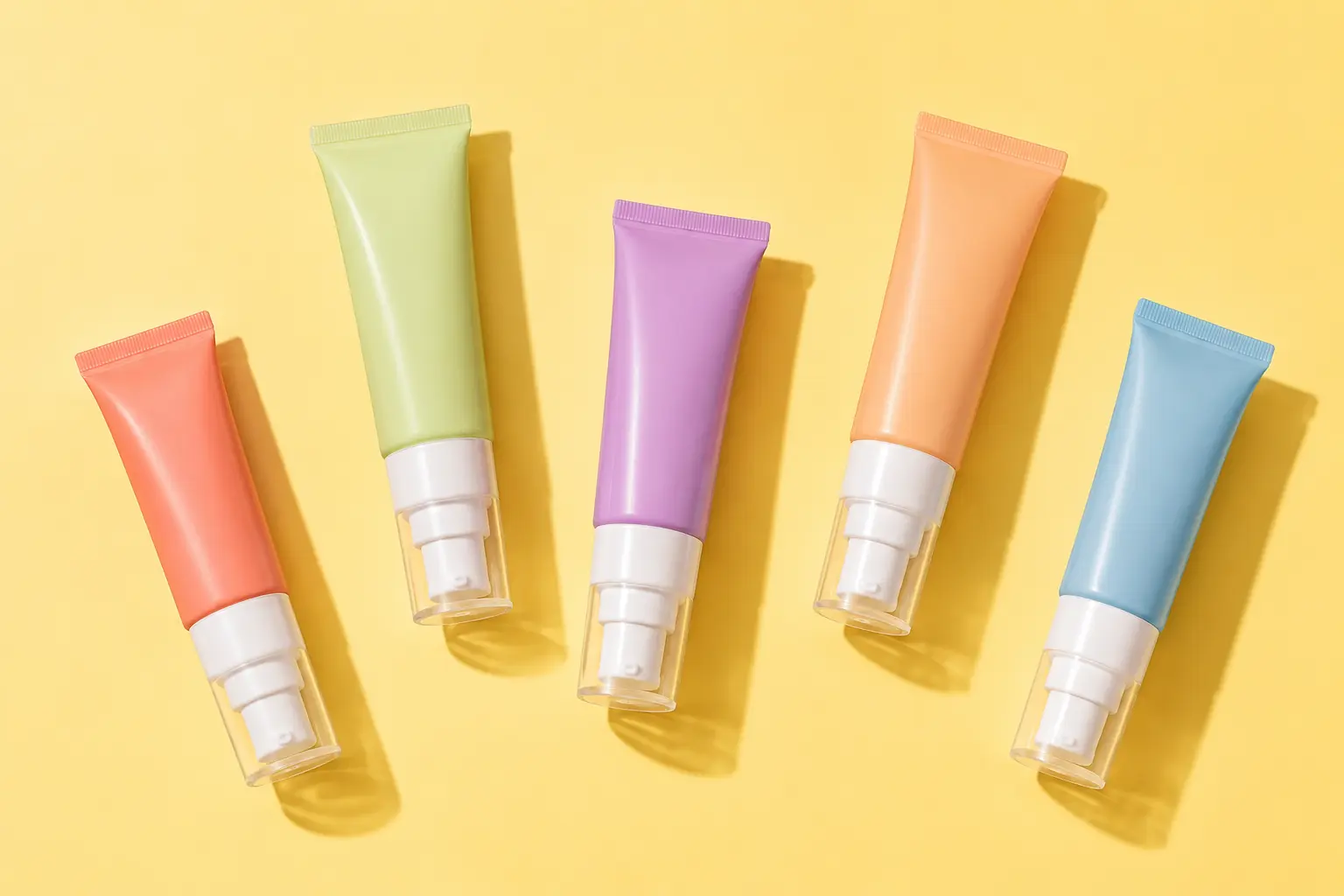
Airless tubes blend a classic pump with the dispensing precision of a pump or sprayer. Airless pump tubes in particular protect oxygen-sensitive actives. That's why airless has become the default for anything with a retinol or vitamin C claim on the front. For a deeper dive into this format, see our airless pump tube sourcing guide.
It's also important to note that typically airless components wind up being more expensive than a standard closure. So you typically will find airless tubes on more premium products. Sprayers also demand a very thin formula that can atomize properly, so make sure to test dispensing performance, including spray pattern, before you commit. One of the most innovative powder sprayer tubes we've seen is this one - just another example of how seriously endless the possibilities are and how good suppliers are at innovating in this space.
Pump & Sprayer Tube Applicator Examples
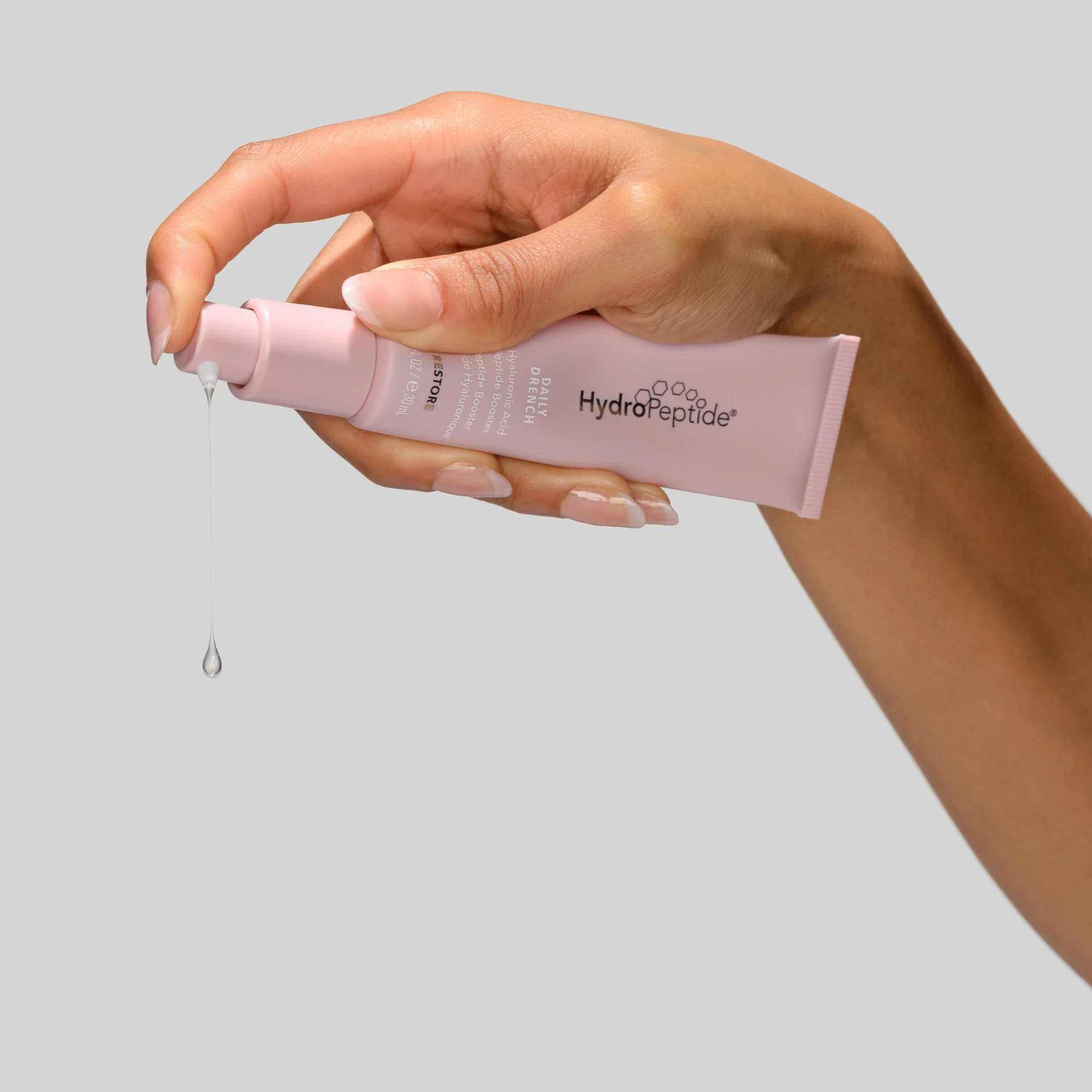
HydroPeptide Daily Drench
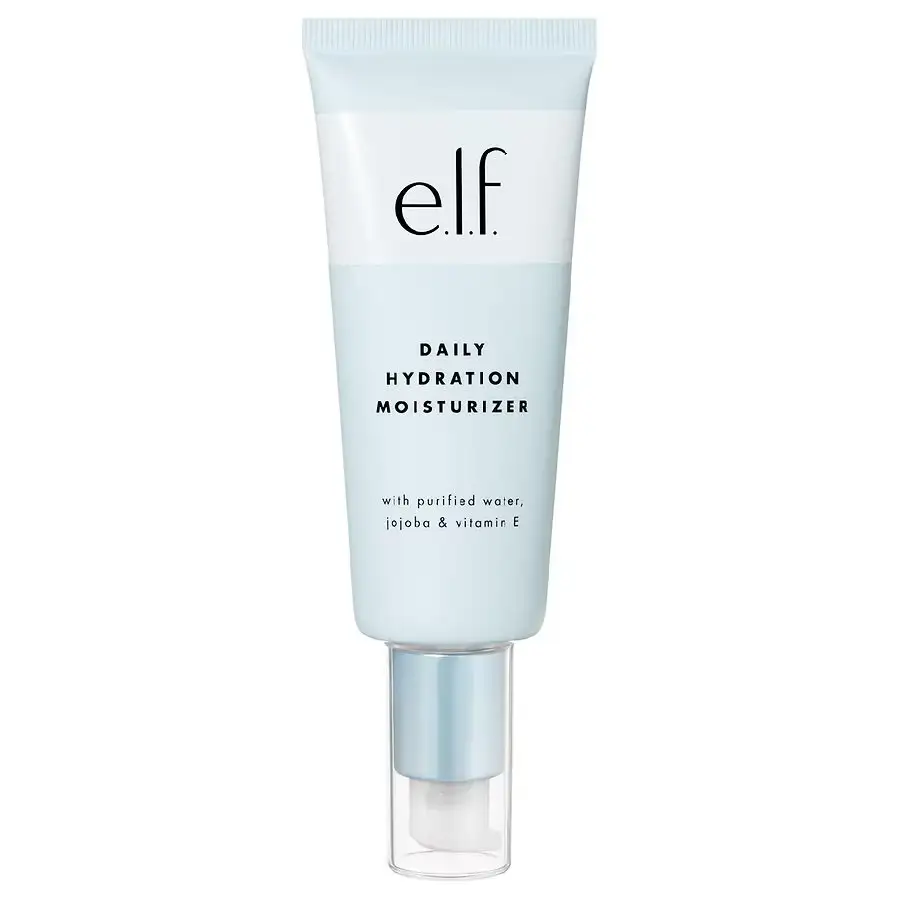
e.l.f. SKIN Daily Hydration Moisturizer
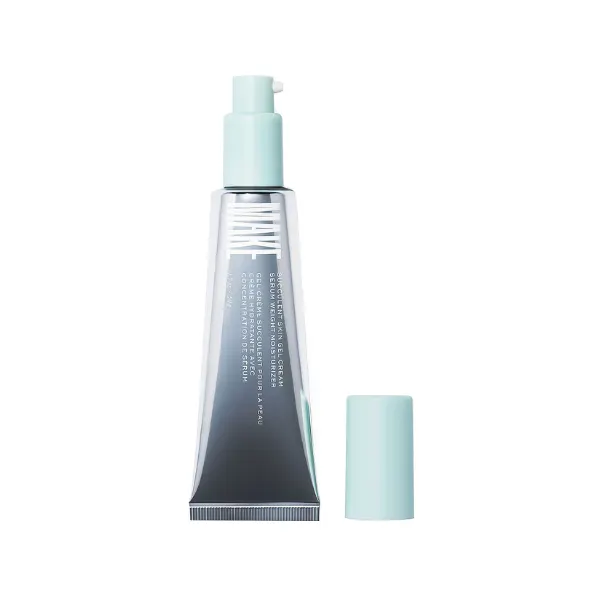
MAKE Beauty Succulent Skin Gel Cream
Standard Heads
Best for: Moisturizers, hand creams, sunscreens, ointments
Everyone jumps straight to a fancier applicator because it feels like more effort, more premium, more thoughtful. But a well-sized standard head under a screw-on cap is reliable and works across a huge range of viscosities without drama. Not every product needs to work harder than that.
The only real design decision is orifice size, and it's an easy one to get wrong in either direction. Too small and thick formulas fight you, but too large and you're wasting product all over the customer's hand. Certain categories have also developed strong category cues around these simple designs - the octagonal cap on a classic hand cream tube is a great example of this.
Standard Head Tube Applicator Examples
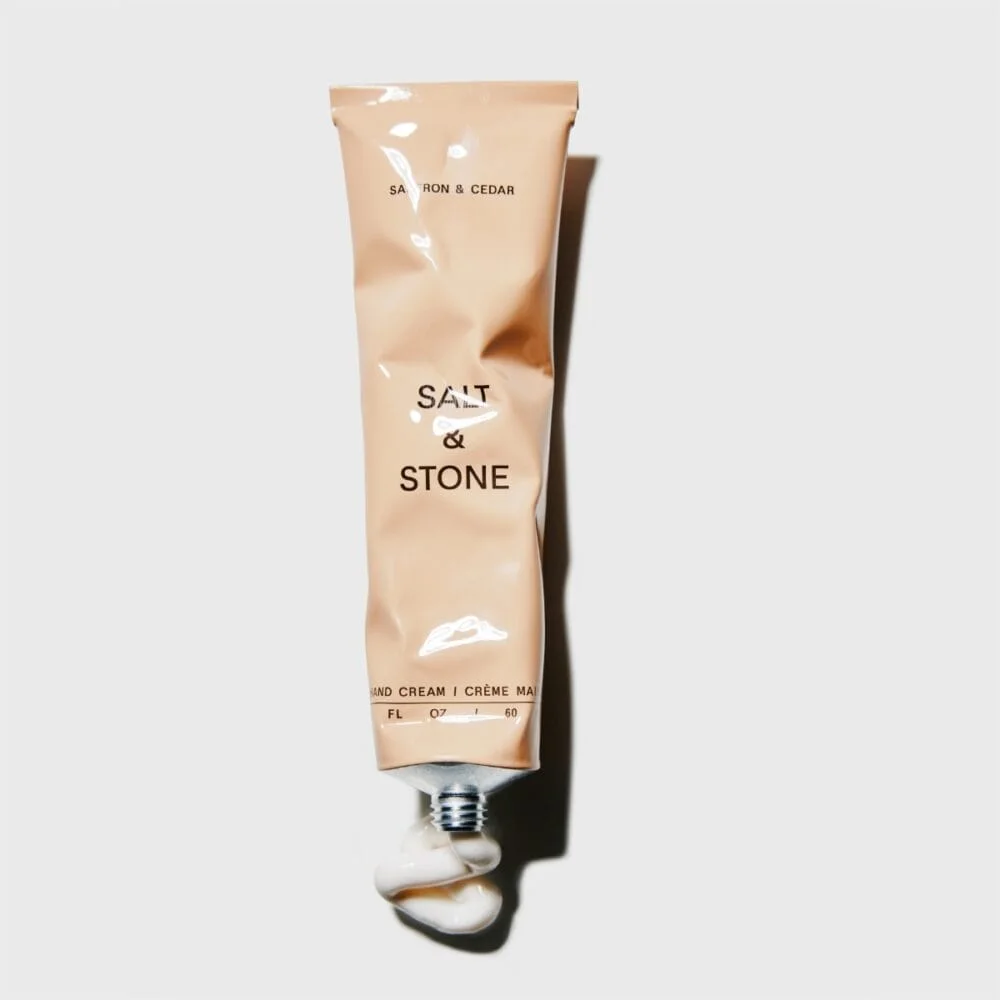
Salt & Stone Hand Cream
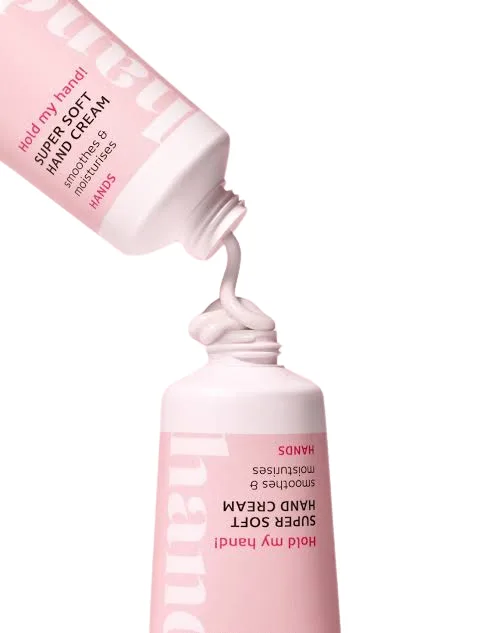
One.Two.Free! Super Soft Hand Cream
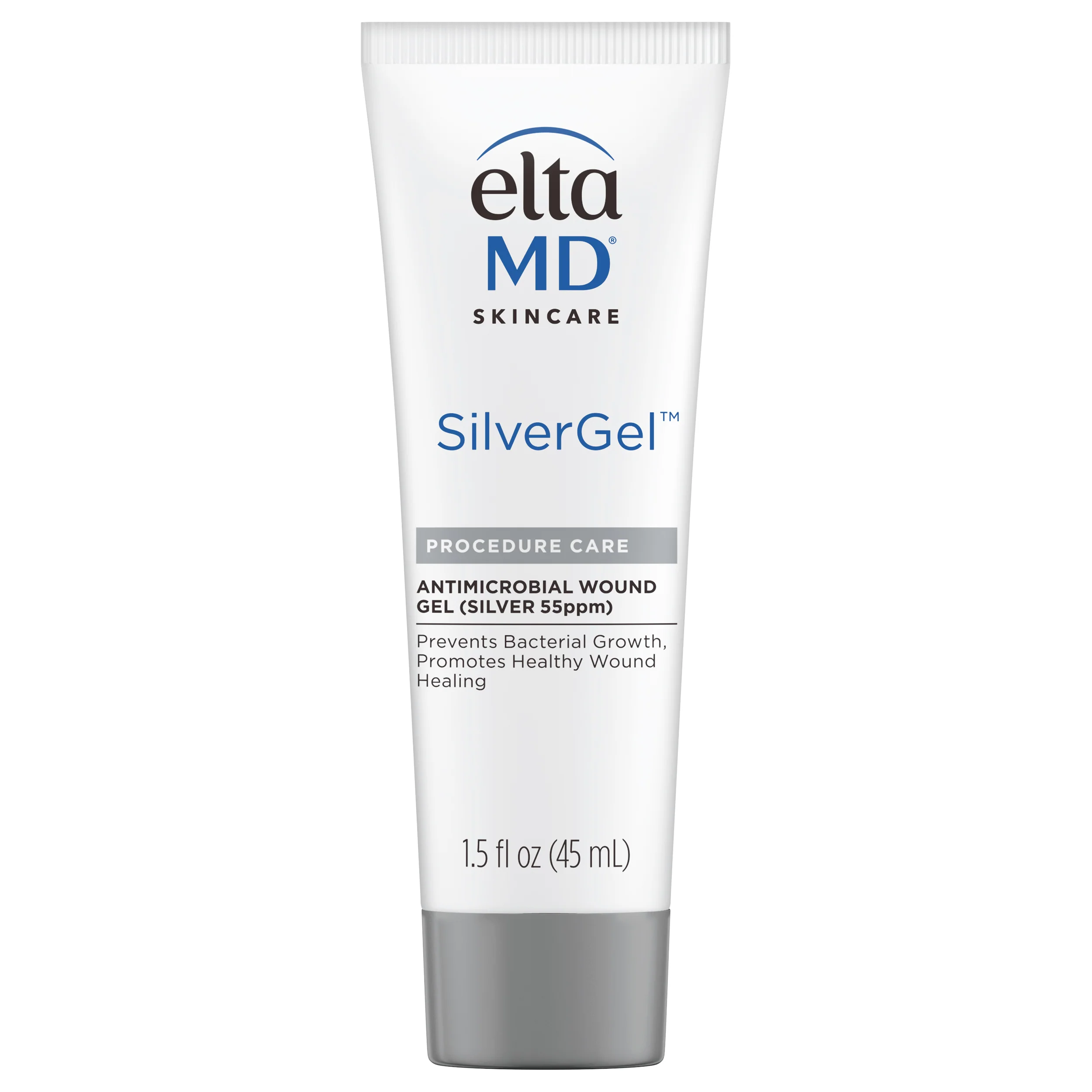
Elta MD Silver Gel
Cooling Metal Applicator
Best for: Eye serums and creams, depuffing gels, brightening treatments, targeted skincare
Cooling metal tips have been having a moment lately, and honestly, they deliver an elevated sensory experience in a way that most novelty applicators don't. Metal applicators cool based on ambient temperature and the natural properties of metal, which still feels genuinely nice on tired under-eyes, but it's not a cold-storage product unless specific to the product.
This technology is actually patented by HCT on the supplier side, so worth asking any supplier pitching a similar metal tip or ceramic tip who is not HCT whether they're licensed in the US. For a deeper dive into this format, including brand examples across eye care and lip, see our complete guide to cooling metal tip applicators.
Cooling Metal Tube Applicator Examples
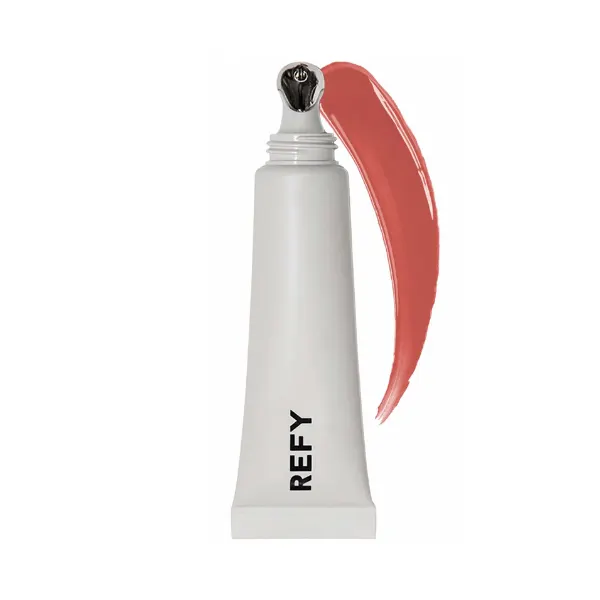
REFY Lip Gloss with Hyaluronic Acid
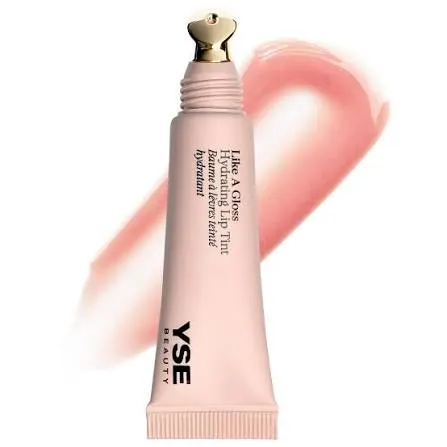
YISE Beauty Like A Gloss 3-in-1 Hydrating Lip Tint
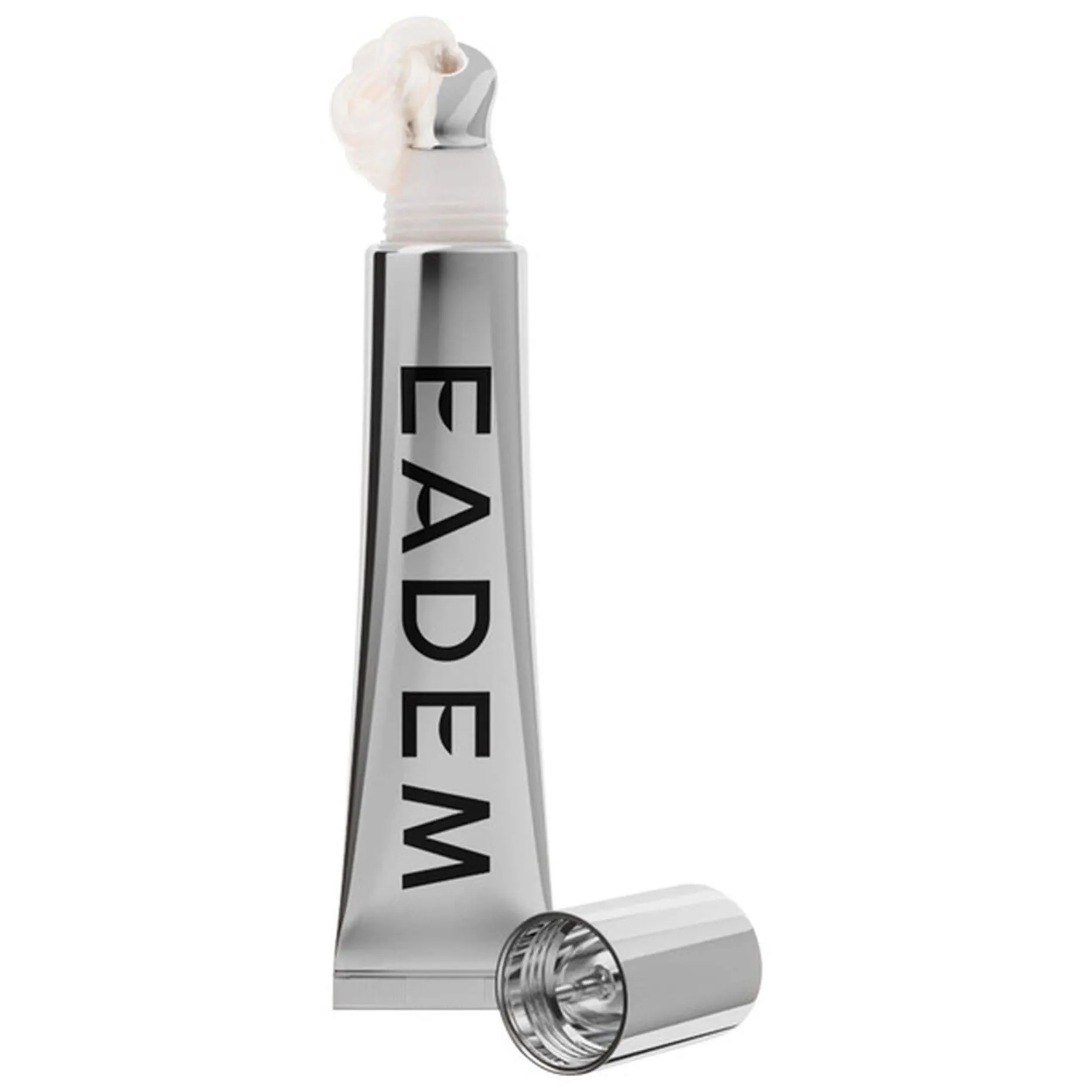
EADEM Le Chouchou Lip Softening Balm
How to Choose the Right Tube Head & Applicator
Application Area
Think about where on the body this is actually going first; that alone narrows the list fast.
- Precision nozzles for targeted treatments like acne gels or scar creams
- Rollerballs for lips, eye care, and cooling serums
- Brush and comb applicators for scalp and hair treatments
- Massage heads for under-eye and other targeted areas
Consumer Experience
The applicator plays into the way someone experiences your product, whether you plan for it or not. So if you're launching a product, ask yourself what you want someone to feel in the moment they use it.
- Rollerballs create a cooling sensation
- Massage heads encourage, well, massage
- Spatulas offer a hygienic way to spread creams
- Brush applicators distribute product evenly through hair or brows
Compatibility & Manufacturing
Before you fall in love with an applicator, make sure it's compatible with your formula and that your co-man can actually fill it. Viscosity, dispensing performance, component materials, and stability testing all need to be checked, not assumed. This is the least glamorous part of the process and also the part that saves you from a very expensive mistake.
Viscosity Guide
A rough map of what tends to pair well with what. Not gospel, but a good starting point before you get into formula-specific testing.
| Formula Viscosity | End-Use Examples | Recommended Tube Heads |
|---|---|---|
| Thin | Face serums, scalp treatments, toners | Rollerball, precision nozzle, brush, comb |
| Medium | Hair serums, eye gels, lightweight creams | Massage head, spatula, precision nozzle, dispensing cap |
| Thick | Lotions, balms, masks, lip treatments | Spatula, dispensing cap, or wide-mouth packaging |
Tube Applicator FAQ
What's the most hygienic tube applicator?
Anything that keeps fingers out of the equation. Rollerballs, spatulas, brushes, and precision nozzles all minimize contact and contamination, which matters more the closer a product gets to the eye and lip areas.
Which applicator works best for eye creams?
Cooling metal rollerballs or spatula applicators, in most cases. Both allow precise application and add a sensory moment that plain dispensing just doesn't.
Can any formula work with any applicator?
No, and I wish more people asked this before tooling was already paid for. Viscosity, ingredient compatibility, and dispensing requirements all determine what actually performs well. Stability and compatibility testing should happen before launch, every time, no exceptions.
Are specialty applicators more expensive?
Usually, yes. Rollers, brushes, massage heads, and other molded applicators are more complex to build than a standard closure, which tends to show up in unit prices.
Finding the Right Tube Head for Your Formula
There's no universal right answer when selecting a tube applicator, only the right answer for your formula, your application area, and the experience you're trying to give to consumers. That's really the point of this whole guide: the tube is important, but the interaction point matters just as much, and it's the piece that gets overlooked far too often.
Related Resources
Looking for more guidance on cosmetic tube packaging? Explore these related resources:
- Top cosmetic tube suppliers for your next product launch
- Dual chamber tubes guide for formulas that need to stay separate until dispensing
- Tube packaging pitfalls to avoid during development
- Tubes FAQ for answers to common sourcing questions
Browse cosmetic applicator tubes
Want help narrowing down the right applicator for your formula?