Sustainability has been part of the packaging conversation for a long time, but the way brands approach it hasn't changed as much as you might think.
Across the thousands of packaging projects we've seen at Impacked, sustainability often starts as an important part of the brief. Then development gets underway. The PCR version costs more, the refillable option adds complexity, or the mono-material package doesn't quite have the same look and feel. The launch timeline gets tighter, and eventually sustainability gets pushed to "the next run."
We'll launch first, then add PCR. We'll explore the refill for version two. We'll improve recyclability once the brand has some scale.
We've heard some version of this countless times, and it's not because brands don't care about sustainability. Packaging development is full of trade-offs. Price, performance and aesthetics tend to sit at the center of the decision, while sustainability is still too often treated as something that can be added once those three have been solved.
The problem is that sustainability is much harder to bolt onto a finished package than it is to design into one from the beginning.
There's another question brands need to consider too: what does the consumer actually value enough to change what they buy or pay more for?
It's a bit more complicated than "consumers want sustainable packaging."
What Is Sustainable Packaging?
There isn't one material or packaging format that gets to claim the title of "most sustainable."
Glass is highly recyclable, but it's heavier to transport than many plastics. A lightweight plastic bottle may use considerably less material, but its recyclability depends on the resin, color, decoration, components and the recycling infrastructure where it's sold. Refillable packaging can reduce single-use material, but only if consumers actually buy and use the refill.
We encourage brands to think about sustainable packaging as a series of decisions rather than a single material choice.
Maybe the biggest opportunity is adding post-consumer recycled (PCR) content. Maybe it's lightweighting an existing bottle. It could be eliminating an unnecessary secondary carton, simplifying a multi-material component, improving design for recyclability, or fitting more units into a master case so you're shipping less air.
The right answer depends on the product and the packaging system around it.
At Impacked, we tend to look at sustainability alongside the same three things that drive almost every packaging project: price, performance and aesthetics. A more sustainable package still has to protect the formula, work for the consumer, fit the brand and make sense financially.
Where brands get into trouble is treating sustainability as the fourth consideration that comes after the other three.
Sustainability Works Better When It's Built Into the Brief
If recyclability matters, think about it while you're choosing the bottle, closure, label and decoration. If PCR is a priority, start testing the material early. If you're considering refillable packaging, the refill architecture should be part of the original product and business model.
Trying to make those changes after a package has been developed usually means reopening decisions you've already made.
We've seen the strongest sustainability strategies take shape when sustainability is built into product development from the beginning. The other common thread is a clear business case for doing it.
That second piece matters more than most brands realize.
Reducing the weight of a bottle can reduce virgin material use, but it may also lower component and freight costs. Eliminating an unnecessary carton means less material, but it can also mean one fewer component to buy, inventory and assemble. A refill system may reduce packaging per use while creating a reason for consumers to come back to the brand. PCR can support a sustainability story that's genuinely important to a brand's core customer.
When sustainability supports something the business already cares about, it becomes much harder to push to the next run.
But Will Consumers Actually Pay More for Sustainable Packaging?
The research gets interesting here, because the answer depends quite a bit on how you ask the question.
PwC's 2024 global Voice of the Consumer survey found that 80% of consumers said they were willing to pay more for sustainably produced or sourced goods, with an average stated premium of 9.7%. That sounds pretty compelling on its own.
Packaging-specific research paints a more nuanced picture.
McKinsey's US packaging research found that roughly half of consumers were willing to pay 1% to 3% more for sustainable packaging. Around a quarter were willing to pay 4% to 7% more, while about 12% would pay 7% to 10% more. The share willing to go beyond a 10% premium was in the single digits.
More recent research shows the same tension. McKinsey's 2025 global packaging survey found that a substantial share of consumers are still willing to pay something more for sustainable packaging, particularly younger and higher-income consumers. But BCG's European research found that while 45% of consumers considered sustainability in their purchasing decisions in 2025, only 17% were willing to pay more for it.
Those numbers aren't necessarily contradictory. They tell us something important about how consumers think about sustainability.
Consumers care about it, but most don't value it independently of everything else they care about.
Price still matters. So do quality, convenience, performance and the actual product they're buying.
For brands, that distinction is important. There's a big difference between a consumer preferring the recyclable bottle when two products are otherwise comparable and expecting that same consumer to pay 15% more because the bottle is recyclable.
The premium also appears to depend on the category. BCG's 2024 research found willingness to pay more for sustainable personal care products was higher than the overall average in several European markets, including the UK, Sweden and Denmark.
That makes sense for beauty and personal care, where packaging is a visible part of the product experience and something consumers interact with every day. But even here, sustainability still has to compete with everything else the consumer sees, feels and pays for.
So What Do Consumers Actually Care About?
If consumers aren't simply buying whatever package has the strongest sustainability credentials, the next question is which attributes actually register.
Here, the research is surprisingly consistent.
Recyclability comes out on top.
McKinsey's 2025 US research found that 77% of consumers considered recyclability extremely or very important when evaluating sustainable packaging. Recycled content followed at 62%. Reusability, compostability and reducing packaging material sat somewhere in the middle, while low carbon impact and bio-based materials ranked lower.
McKinsey saw the same pattern globally. Recyclability ranked as the most important sustainable packaging characteristic in all 11 countries it surveyed.
The explanation is pretty simple: consumers understand recycling.
They can pick up a bottle and ask, "Can I recycle this?" They understand what it means when a package says it contains 50% recycled plastic. They understand the basic idea behind keeping a package and buying a refill.
The lifecycle carbon footprint of a 200 mL bottle is considerably harder to assess while you're standing in a store.
That doesn't make carbon impact less important. It means what is environmentally meaningful and what is meaningful to the consumer aren't always the same thing.
For brands trying to build a consumer-facing sustainability story, that difference matters.
Recyclability Matters, but "Recyclable" Gets Complicated Fast
Consumers may understand the idea of recycling, but designing packaging that actually works within the recycling system is another story.
A material can technically be recyclable while the finished package is unlikely to be recycled in practice. Small components can cause problems. Multi-material structures can be difficult to separate. Pumps and droppers can contain several materials in one relatively small component. Labels, sleeves, decoration, adhesives and color can all affect what happens downstream.
This is particularly relevant in beauty and personal care, where a package that looks like a simple plastic bottle may actually include a bottle, pump, metal spring, dip tube, gasket, label and overcap made from several different materials.
It helps to look at the finished package as a system.
If you're using a PET bottle, what is the closure made from? Does it need a pump? What materials are inside that pump? What label or decoration are you applying? Can the consumer reasonably be expected to separate anything before disposal?
The goal is to design the complete package with its end of life in mind, not simply find a recyclable material.
Brands also need to be careful about the claims they make. In the US, the FTC's Green Guides set specific expectations around recyclable claims and when they need to be qualified based on the availability of appropriate recycling facilities.
If you're going to tell consumers a package is recyclable, that claim needs to hold up beyond the marketing copy.
Recycled Content Is Easy for Consumers to Understand
PCR has become one of the most common sustainability requests we see in packaging briefs, and there's a good reason for that.
It's relatively easy to communicate.
A bottle made with 30% post-consumer recycled plastic gives the consumer something tangible to understand. Existing plastic was recovered and used as feedstock for new packaging.
McKinsey's consumer research supports that. Recycled content consistently ranks among the sustainable packaging attributes consumers care about most.
From a packaging development perspective, though, increasing PCR isn't always as simple as changing a percentage on a specification sheet.
Depending on the material and package, higher PCR levels can affect color, clarity, consistency, mechanical properties, processing, availability and cost. There may also be product-contact or regulatory considerations depending on the application.
So the goal doesn't always need to be 100% PCR.
For some packages, 100% may work. For others, 30% or 50% might give you the best balance of recycled content, performance, appearance and cost.
Test it early.
Using Less Packaging May Be the Most Overlooked Option
One of the easiest ways to get lost in sustainable packaging is to immediately start looking for a new material.
Sometimes you don't need one.
A lighter bottle uses less material. A shorter closure may use less resin. Removing an unnecessary overcap eliminates a component altogether. Eliminating a secondary carton can reduce material, assembly, freight and cost at the same time.
There are limits, of course. Lightweight a bottle too aggressively and you may create paneling, top-load or filling-line issues. Remove secondary packaging that was protecting a glass container and you may increase damage in transit.
But material reduction deserves to be considered before automatically replacing one material with another.
And there's a business case: using less packaging is one of the rare sustainability strategies that can reduce environmental impact and cost at the same time.
Refillable Packaging Only Works if People Refill It
Refillable packaging has received a lot of attention, particularly in beauty and personal care.
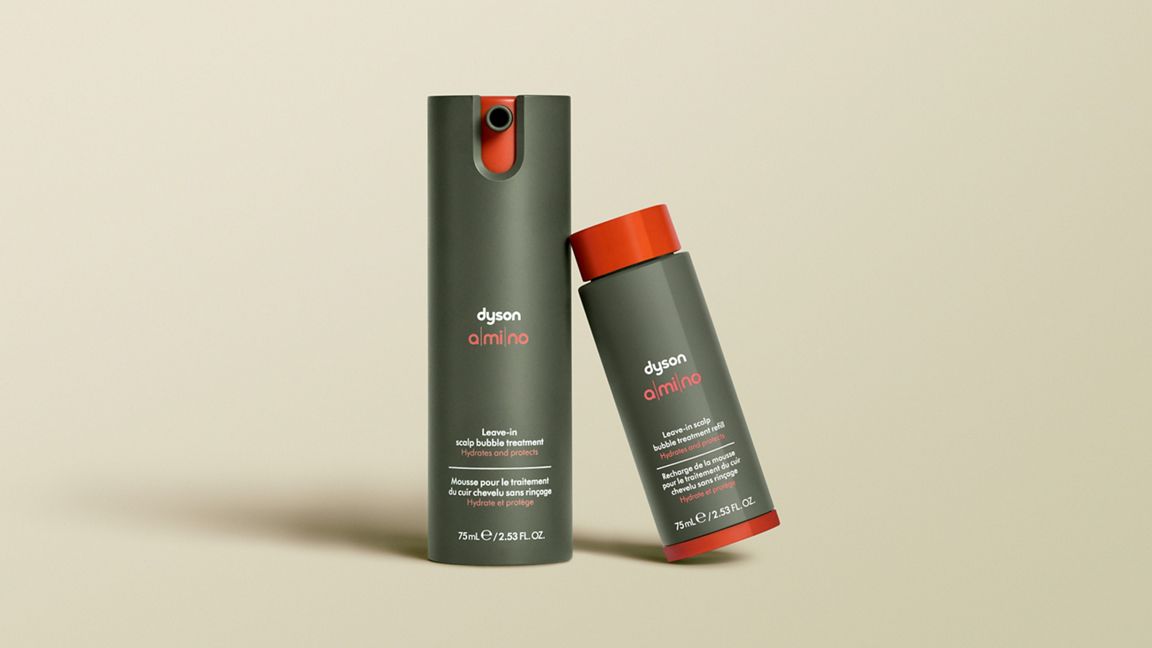
Conceptually, it makes sense. Keep the more substantial outer package and replace only the part that actually holds the formula.
The environmental benefit, however, depends heavily on what happens after the first purchase.
A refillable package that gets thrown away after the original product is finished hasn't accomplished what it was designed to do. In some cases, the additional components required to create the refill system can actually make the initial package more material-intensive.
That means refill is as much a consumer behavior and business model challenge as it is a packaging design challenge.
Is the refill cheaper than buying another complete package? Is it easy to find? Is replacing it intuitive? Does the consumer like the permanent package enough to keep it? Is this a product they replenish frequently enough for the model to make sense?
Those questions should be part of the packaging brief, not something figured out after the refill mechanism has already been developed.
What Consumers Care About Less Can Still Matter
Bio-based materials and carbon impact tend to rank lower in consumer research than recyclability, recycled content and reuse.
That doesn't mean they're less important from an environmental perspective.
A packaging change that meaningfully reduces greenhouse gas emissions may have a greater environmental benefit than one that's easier to explain on the front of a package. A bio-based material may make sense for a particular application even if consumers don't fully understand what "bio-based" means.
Brands need to separate two different questions here.
Is this environmentally better?
And will consumers understand why it's better?
Ideally, you get both. But not every sustainability decision needs to become a consumer-facing marketing claim.
Some changes make sense because they reduce material. Others lower transportation impact, support regulatory requirements, reduce costs or improve the package's end-of-life outcome.
Still a good reason to make them.
Sustainability Doesn't Have to Cost More
The assumption that sustainable packaging will automatically cost more can kill a good idea before development even starts.
Sometimes it does cost more. PCR can carry a premium. A refill system may require additional tooling and components. Changing materials can create new testing requirements.
But sustainability can also take cost out of a package.
Lightweighting reduces material. Removing a component means you're no longer buying it. Smaller or more efficient packaging can improve case packs and pallet utilization. Eliminating unnecessary secondary packaging can reduce material, assembly and freight costs.
We like sustainability strategies that have a business case attached.
If a sustainability improvement only survives while everyone is willing to pay extra for it, it becomes vulnerable as soon as budgets get tight. If it also saves money, supports repeat purchase, prepares the package for regulation or gives the brand something its customer genuinely values, the conversation changes.
Maybe "Sustainable Packaging" Isn't the Best Brief
After seeing a lot of these projects play out, we'd argue that "we want sustainable packaging" isn't actually a very useful packaging brief.
It's too broad. Instead, define what you're actually trying to improve.
Maybe you want to reduce virgin plastic by 30%. Maybe you want to move toward a package that's better aligned with existing recycling streams. Maybe you want to eliminate your secondary carton or reduce the overall package weight without changing the consumer experience.
Perhaps you're building a refill system and want a customer to reuse the permanent package at least five times.
Those are objectives a packaging team can actually design around. They're also objectives you can measure.
Specificity helps on the consumer side too. Broad terms like "green" or "eco-friendly" don't tell someone very much about what actually changed. A statement that a bottle contains 50% PCR or uses 25% less plastic than the previous package gives them something much more concrete.
What Does This Mean for Brands?
Consumers haven't stopped caring about sustainable packaging. The research doesn't support that conclusion.
What it does suggest is that sustainability exists alongside everything else influencing a purchase. Consumers still care about price, quality and convenience, and their willingness to pay more for sustainable packaging has limits.
When it comes to the packaging itself, they tend to respond most strongly to benefits they can understand: recyclability, recycled content, less packaging and, when the model makes sense, reuse.
For packaging teams, we'd take two things from that.
First, build sustainability into the development process early. It's much easier to make meaningful decisions about material, weight, recyclability, components and refill architecture before the package has been finalized.
Second, find a business case for the change.
Maybe the sustainable option costs less. Maybe it makes the package easier to recycle. Maybe it supports a brand promise your customer genuinely cares about. Maybe it improves shipping efficiency or prepares you for where packaging regulation is heading.
The strongest sustainability strategies we've seen usually do more than one thing well.
And those are the ones that are much less likely to get pushed to "the next run."
Looking for sustainable packaging options? Let's talk.