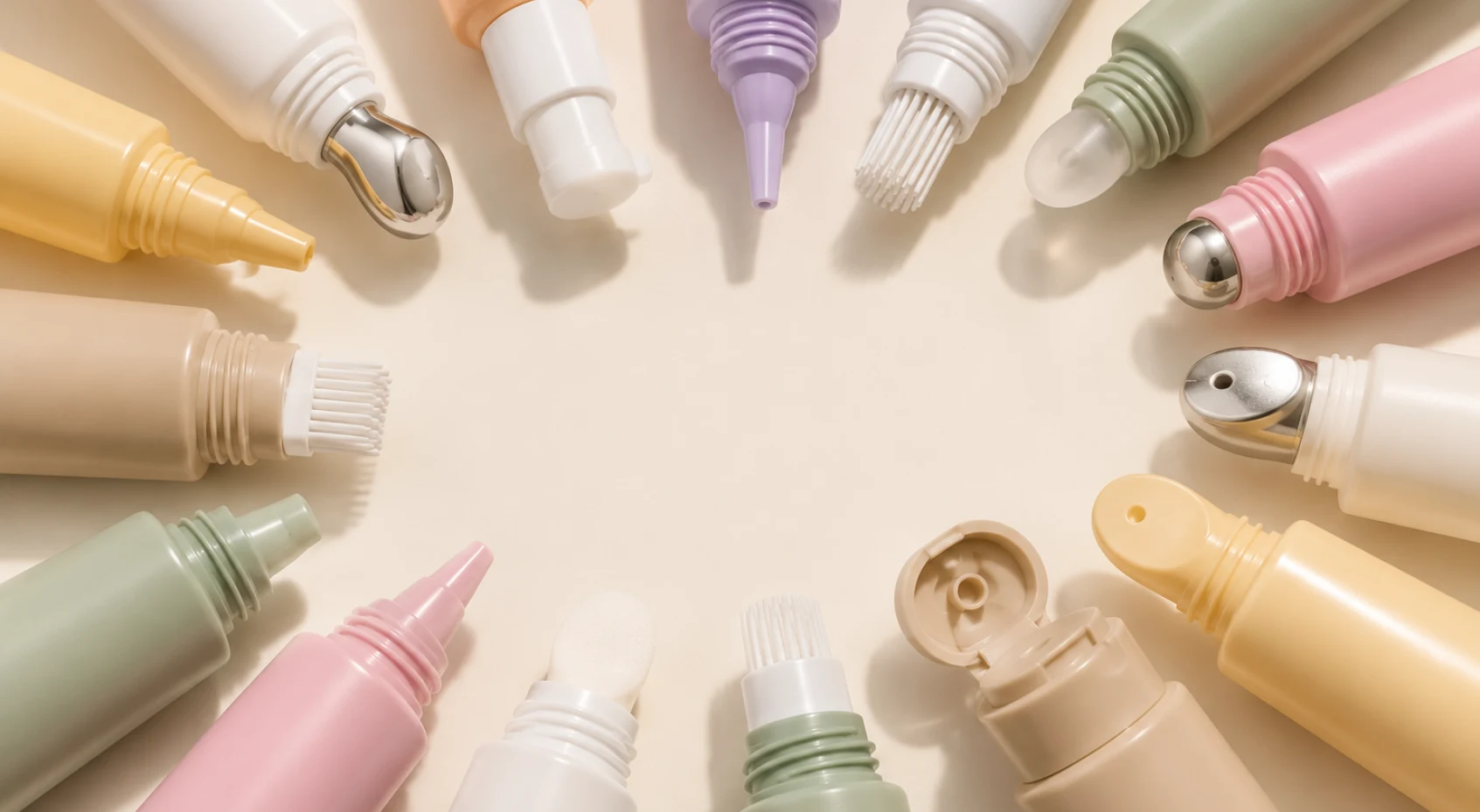
The doe foot applicator is one of the most overlooked details in lip gloss and lip oil packaging, until it's the reason a product underperforms. The right applicator delivers smooth, even coverage in one or two swipes. The wrong one leaves a formula streaky, heavy, or difficult to control, regardless of how well the product itself is formulated. For brands developing lip gloss, liquid lipstick, or liquid concealer, understanding the different types of doe foot applicators is a small detail that has an outsized impact on the customer experience.
The name comes from the shape of the tip itself: a soft sponge that resembles the slanted profile of a doe's hoof. That shape is designed to contour naturally to the curves of the lips and skin, which is why doe foot applicators remain the standard choice across lip gloss tubes, liquid lipsticks, concealers, and lightweight skincare treatments.
This guide breaks down a wide range of doe foot applicator types, what formulas and end uses each one works best for, examples of in-market products using each applicator, and where the category is innovating next.
Looking for vetted suppliers? See our top 10 lip gloss tube packaging manufacturers for 2026.
Browse Lip Gloss Tube Packaging →
How the Applicator and Wiper Work Together
Before comparing applicator shapes, it's worth understanding how the applicator interacts with the wiper (the small ring inside the neck of the tube that controls how much product the wand picks up). The two components are designed to work as a system. An applicator selected without testing the wiper alongside it can result in a tip that's overloaded or underloaded, regardless of how well-suited the shape is on paper.
As a general rule, larger applicator tips hold more product. Some designs go a step further with a built-in reservoir: a small pocket that stores and transfers a greater volume of formula. This is particularly useful for thicker lip gloss formulas, which require more product per swipe to achieve full coverage without repeated dipping. Liquid concealer benefits from a different approach — typically a flocked applicator with a smaller, more targeted reservoir designed for precise, localized application.
Doe Foot Applicator Types and Their Best Uses
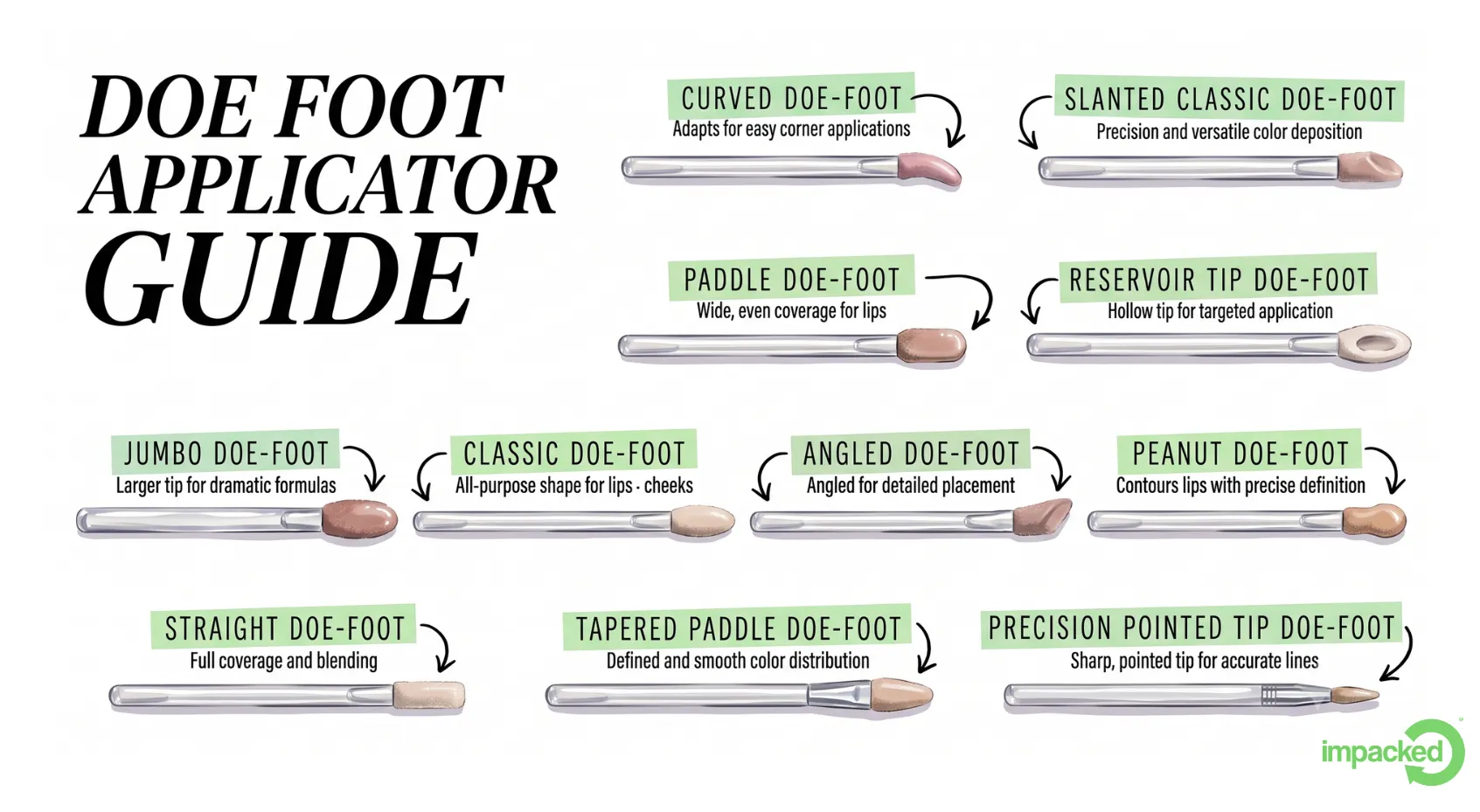
Doe foot applicators come in more variations than most people assume, each suited to a different formula and finish. Below is a breakdown of the most common types currently on the market.
| Applicator Type | Shape | Best For |
|---|---|---|
| Classic Doe-Foot | Rounded, bullet-shaped tip | Lip glosses, lip oils, liquid lipsticks, concealers, liquid blushes, lightweight skincare |
| Paddle Doe-Foot | Wide, flattened oval | High-shine lip glosses, liquid lipsticks, concealers, liquid highlighters |
| Jumbo Doe-Foot | Classic shape, larger volume | High-shine lip glosses, tinted lip oils |
| Slanted Classic Doe-Foot | Classic shape with an angled edge | Lip glosses, butter-style glosses |
| Curved Doe-Foot | C-shaped arc that follows the lip line | Plumping glosses, hydrating lip oils |
| Angled Doe-Foot | Sharper, angled tip | Plumping tints, volumizing glosses |
| Precision Pointed Tip | Narrow, pointed tip | Liquid lip balms, lightweight glosses, concealers |
| Peanut Doe-Foot | Double-lobed, hourglass-like tip | Thin, fluid lip balms and gloss-balm hybrids |
| Tapered Paddle Doe-Foot | Paddle shape with wider base and thinner top | High-shine glosses |
| Straight Doe-Foot | Linear, straight profile, cornered edges | High-glide glosses, liquid lip balms |
| Reservoir Tip Doe-Foot | Built-in center reservoir (see OPL Innovation for patented designs) | Brightening treatments, high-shine lip oils |
Classic Doe-Foot
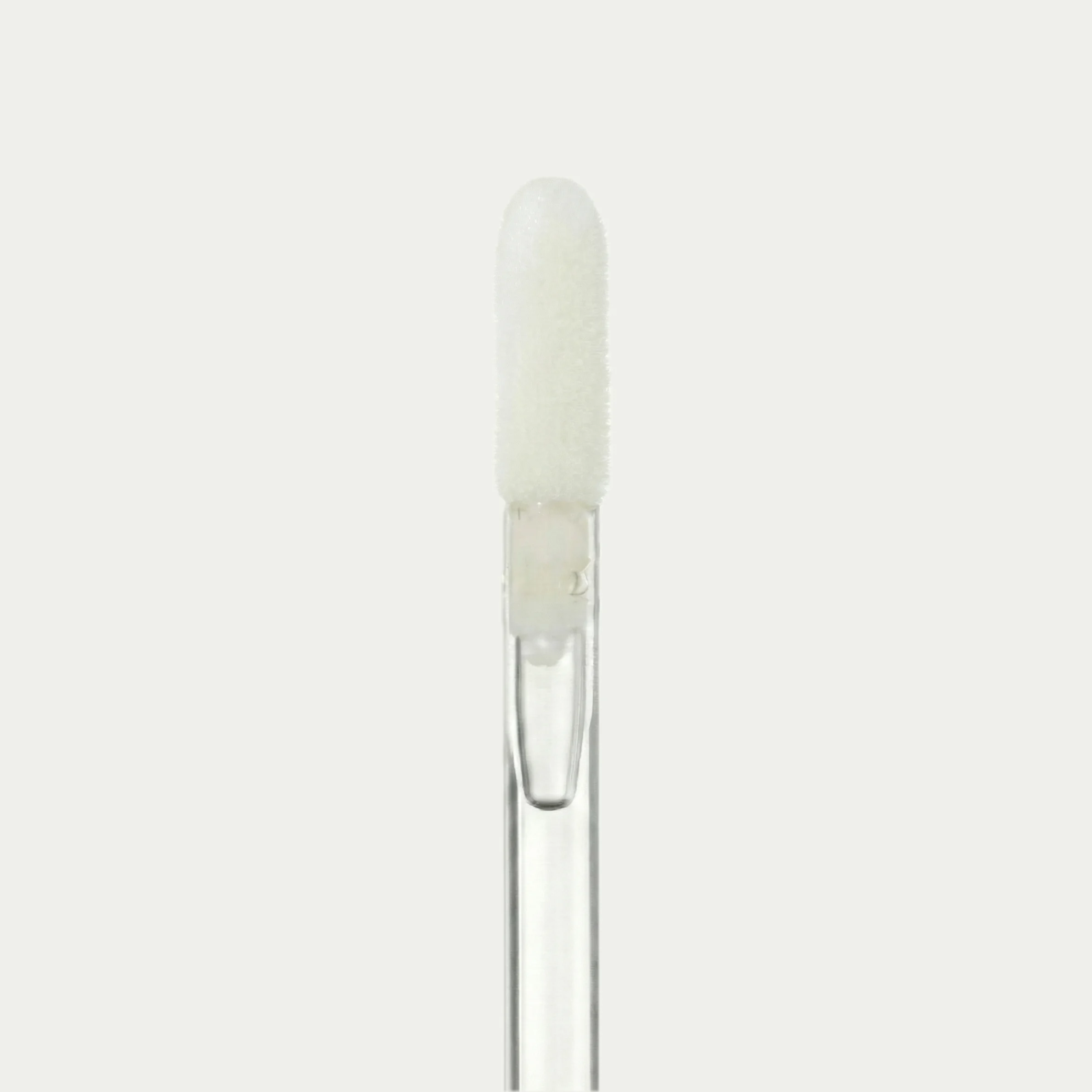
The classic doe-foot is the industry standard, recognized for its rounded, bullet-shaped tip and flocked finish. It offers a reliable combination of pickup, control, and even laydown, making it a dependable default across a wide range of formulas. Suppliers like Rongyi and WWP Beauty offer extensive classic doe-foot options.
Viscosity range: Performs well across low-to-medium viscosity formulas. It's a versatile, all-around choice rather than one optimized for either extreme.
Best for: lip glosses, lip oils, liquid lipsticks, concealers, liquid blushes, and lightweight skincare treatments
In-market examples
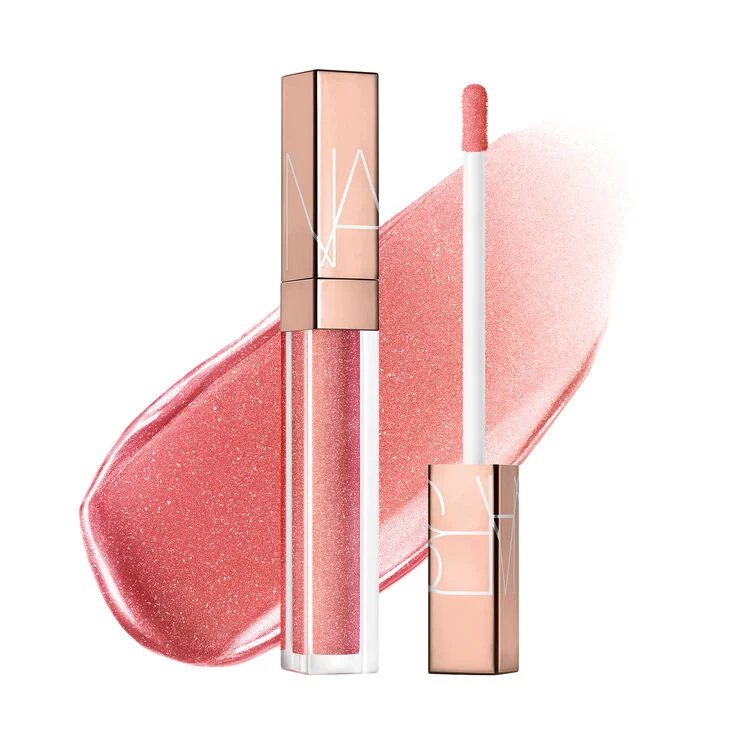
NARS Afterglow Lip Shine (Source: NARS Cosmetics)
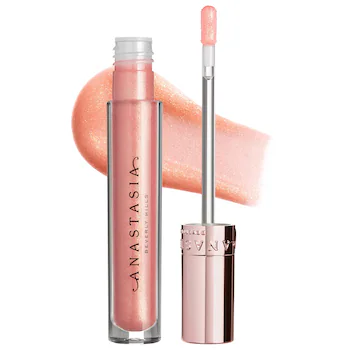
Anastasia Beverly Hills Lip Gloss (Source: Sephora)

Dose of Colors Stay Glossy Lip Gloss (Source: Dose of Colors)
Paddle Doe-Foot
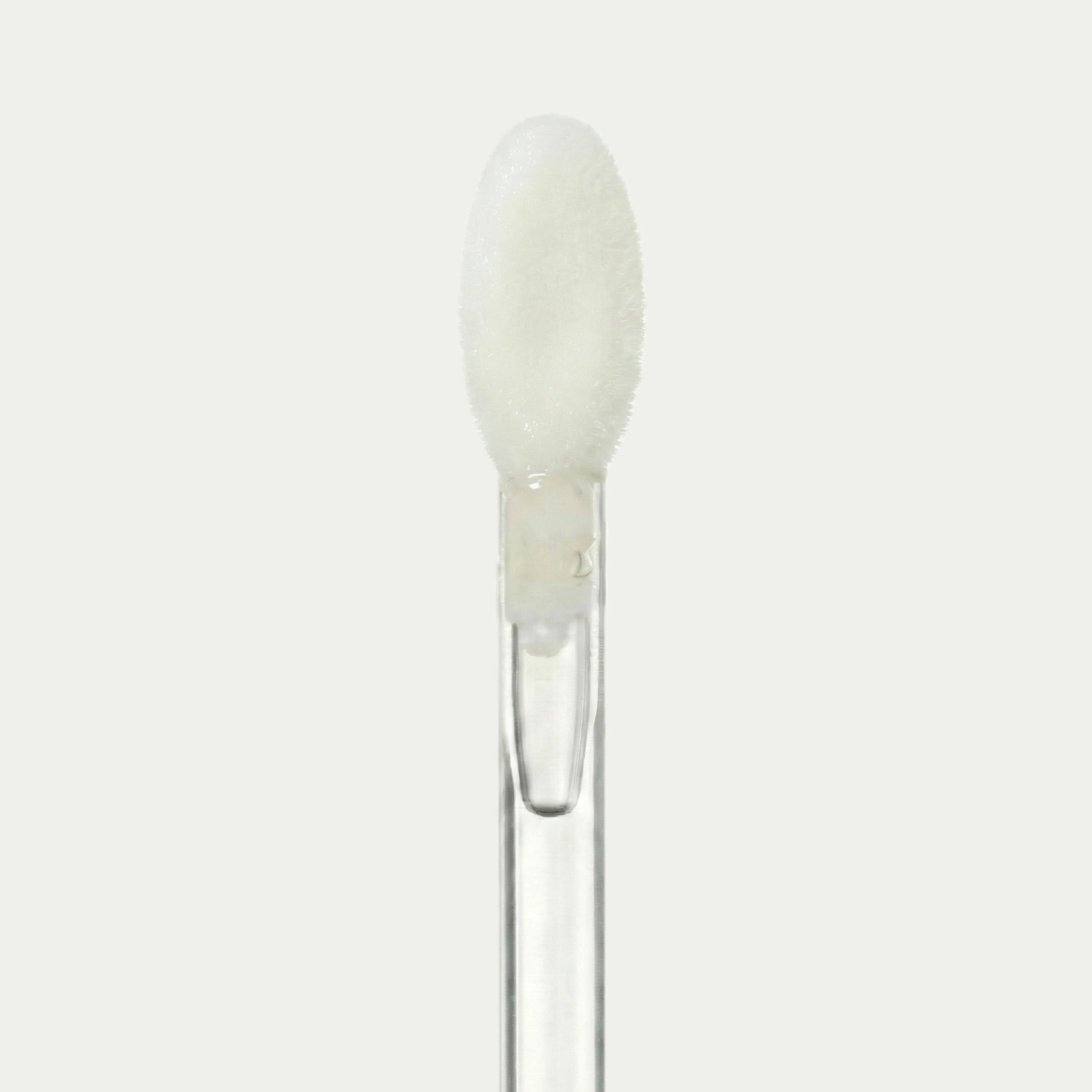
The paddle doe-foot features a broad, flattened oval tip designed to spread product evenly across larger areas in fewer swipes. Choebe Group offers innovative paddle and creative applicator designs.
Viscosity range: Best suited to medium-to-high viscosity formulas. The flat, broad surface is built to move a larger volume of thicker product across the lips efficiently, which a narrower tip can struggle to do without multiple passes.
Best for: high-shine lip glosses, liquid lipsticks, concealers, liquid highlighters
In-market examples

Dior Addict Lip Glow Oil (Source: Dior)
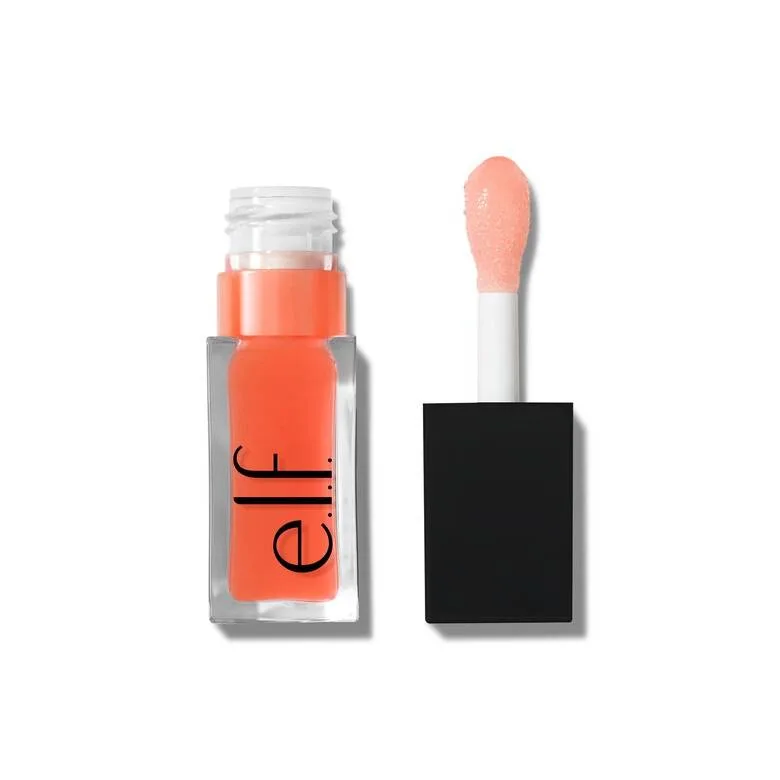
e.l.f. Glow Reviver Lip Oil (Source: e.l.f.)
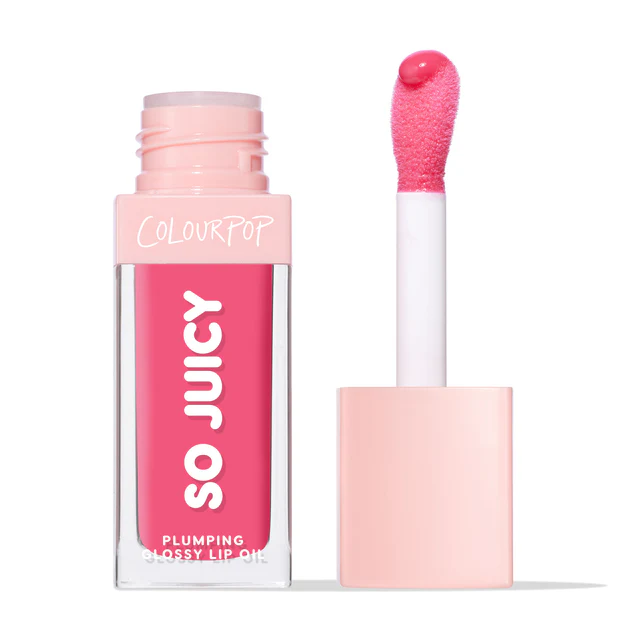
Colour Pop So Juicy Lip Oil (Source: Colour Pop)
Jumbo Doe-Foot
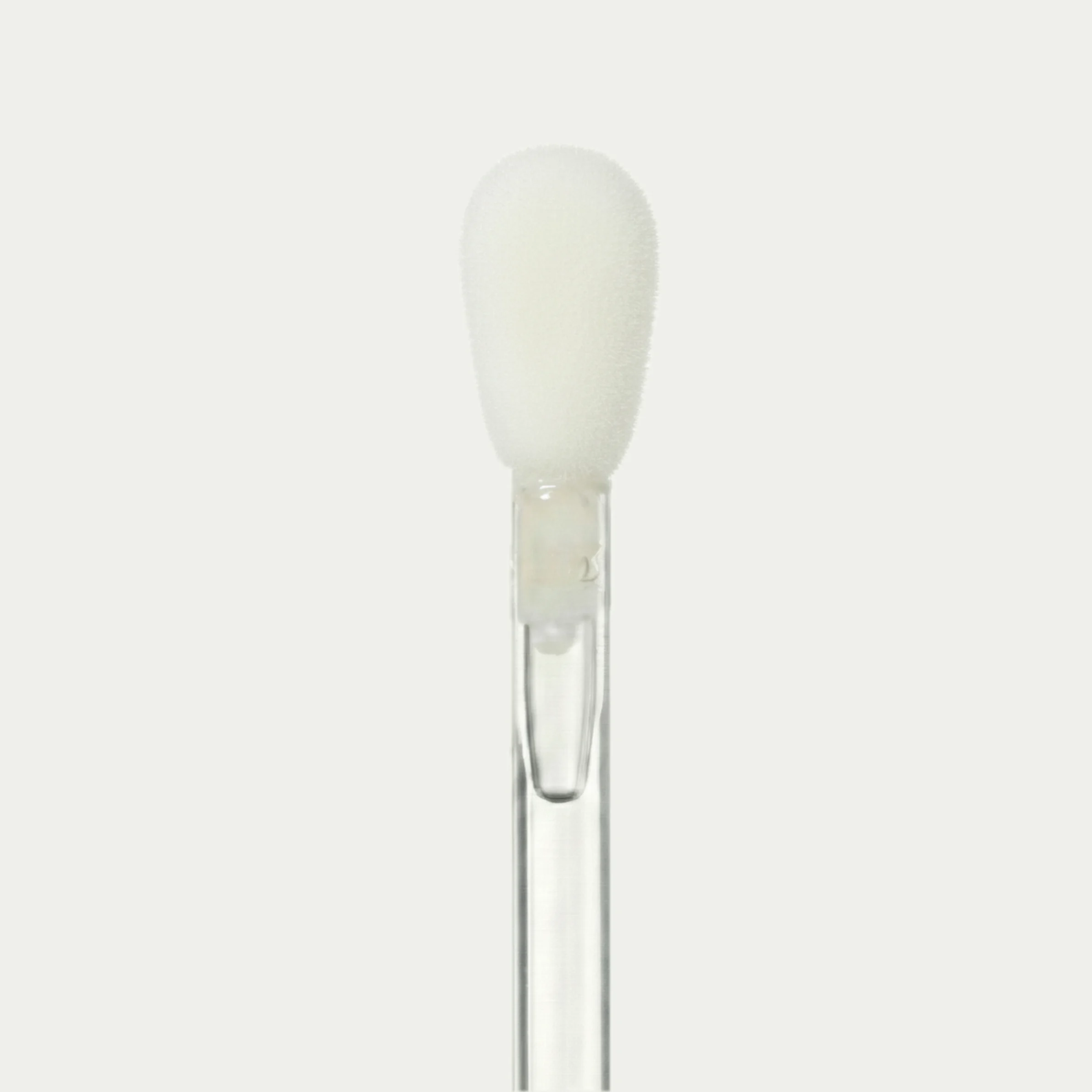
The jumbo doe-foot follows the same principle as the classic shape but at a larger scale, allowing for greater product pickup and dose.
Viscosity range: Well-suited to medium-to-high viscosity formulas, where the larger surface area helps deliver a fuller dose without requiring the user to reload the applicator as often.
Best for: high-shine lip glosses and tinted lip oils that benefit from generous, full-coverage application
In-market examples
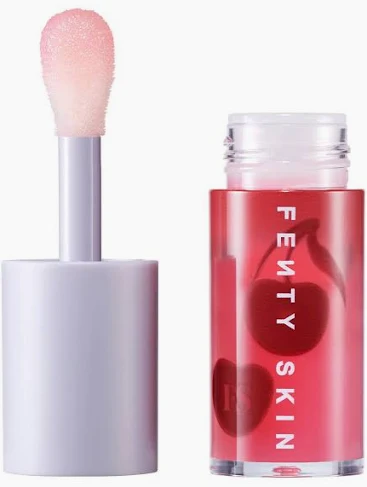
Fenty Treatz Hydrating + Strengthening Lip Oil (Source: Fenty Beauty)
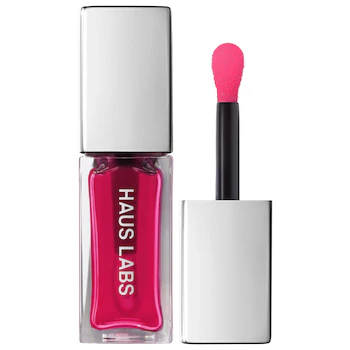
Haus Labs PhD Hybrid Hydrating Tinted Lip Oil (Source: Sephora)
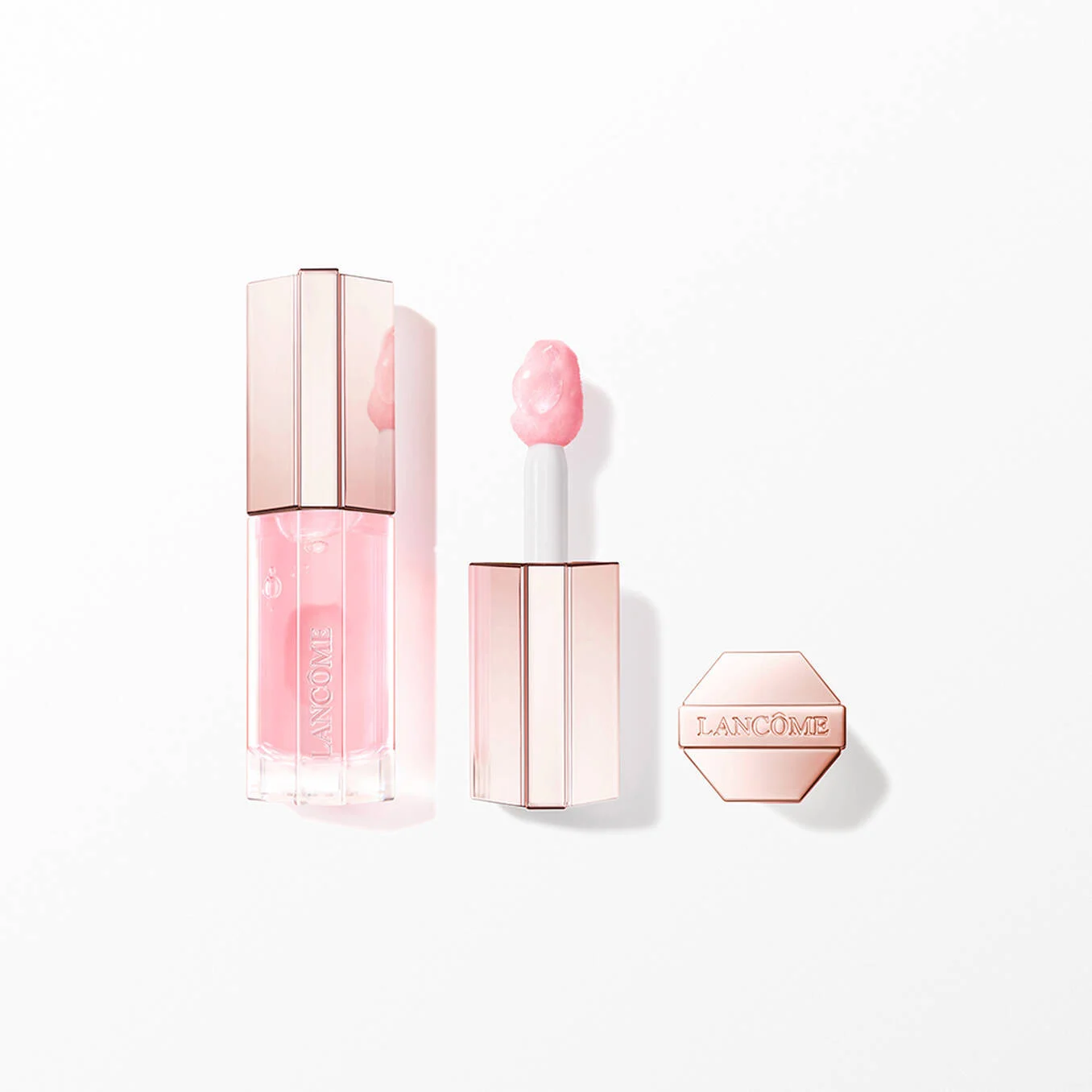
Lancôme Lip Idôle Juicy Treat Lip Gloss (Source: Lancôme)
Slanted Classic Doe-Foot
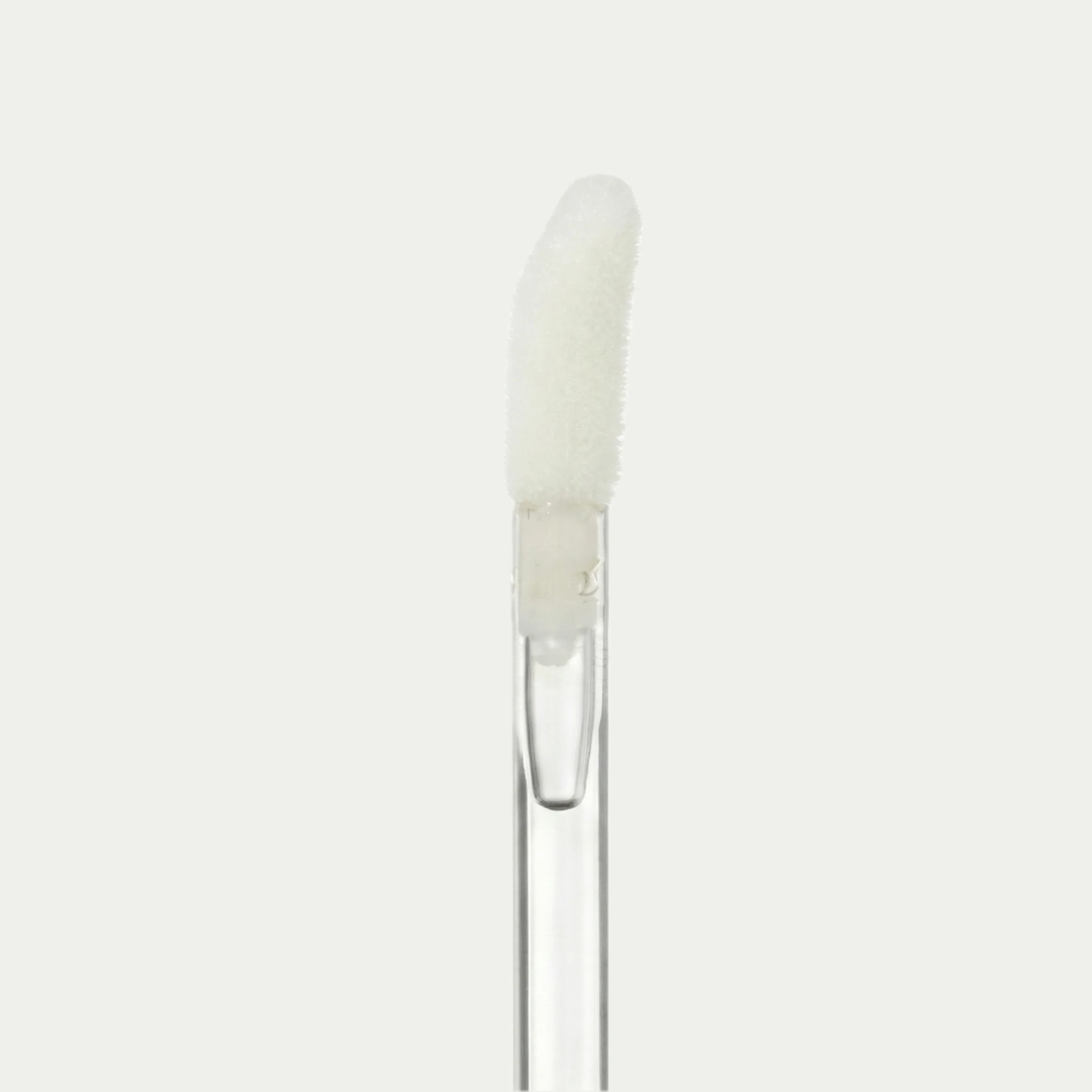
A refinement of the classic shape, the slanted doe-foot offers a slightly more precise finish while still maintaining the reliability of the standard design.
Viscosity range: Performs best with low-to-medium viscosity formulas, similar to the classic doe-foot, with the added benefit of more controlled placement.
Best for: lip glosses and butter-style glosses that want the reliability of a classic tip with a cleaner edge
In-market examples
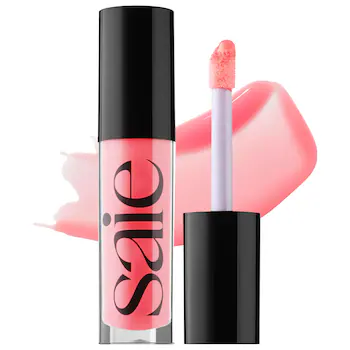
Saie Glossybounce High-Shine Hydrating Lip Gloss Oil (Source: Sephora)
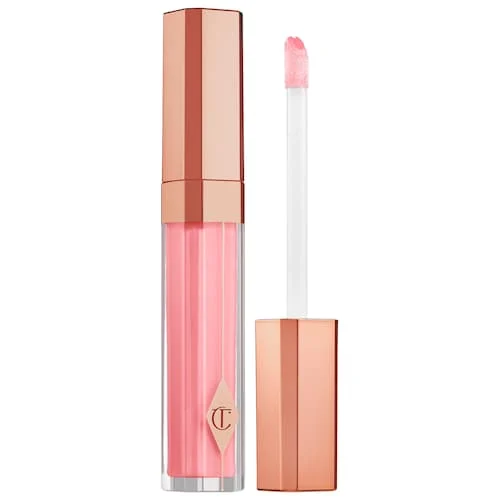
Charlotte Tilbury Lip Lustre Lip Gloss (Source: Sephora)
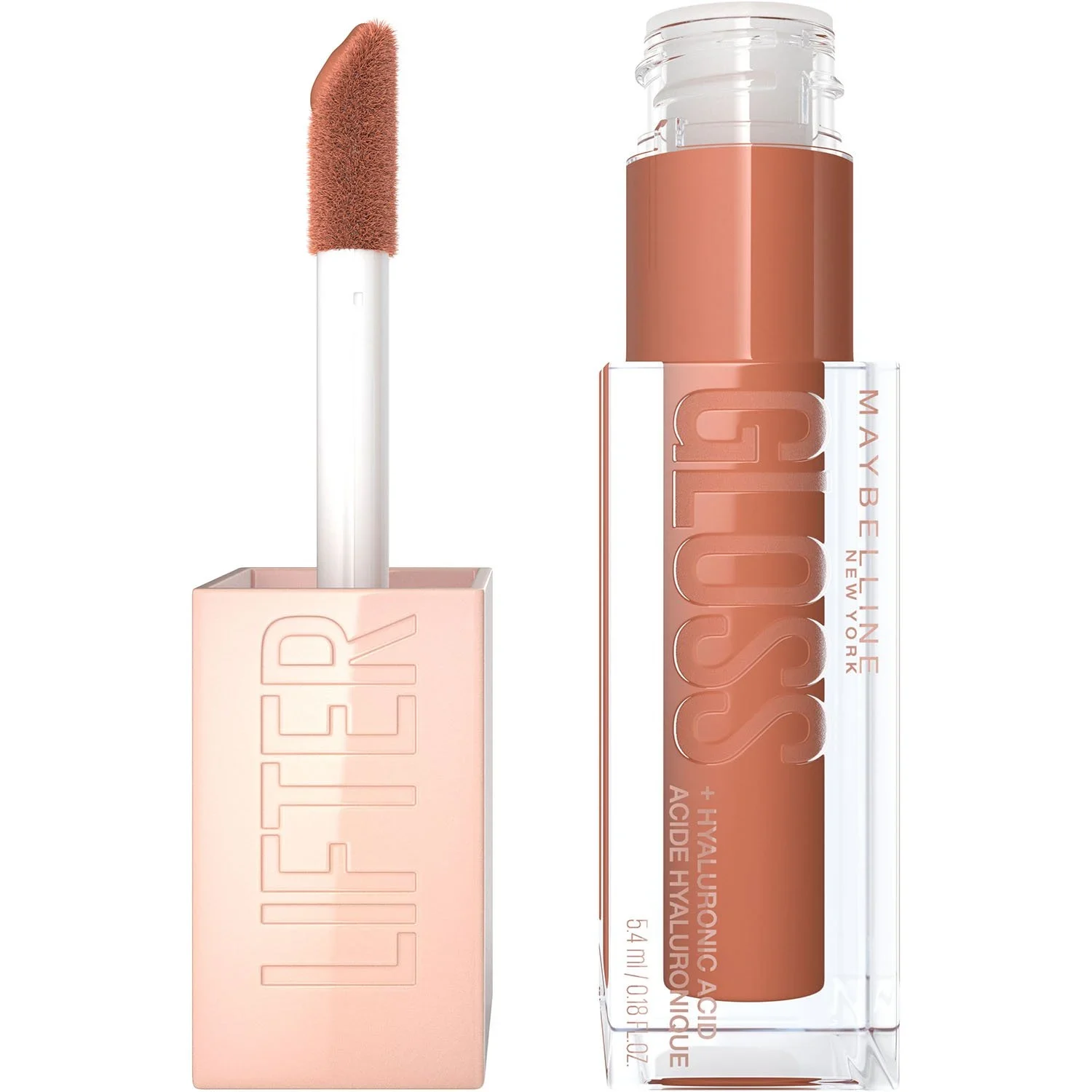
Maybelline Lifter Gloss (Source: Maybelline)
Curved Doe-Foot
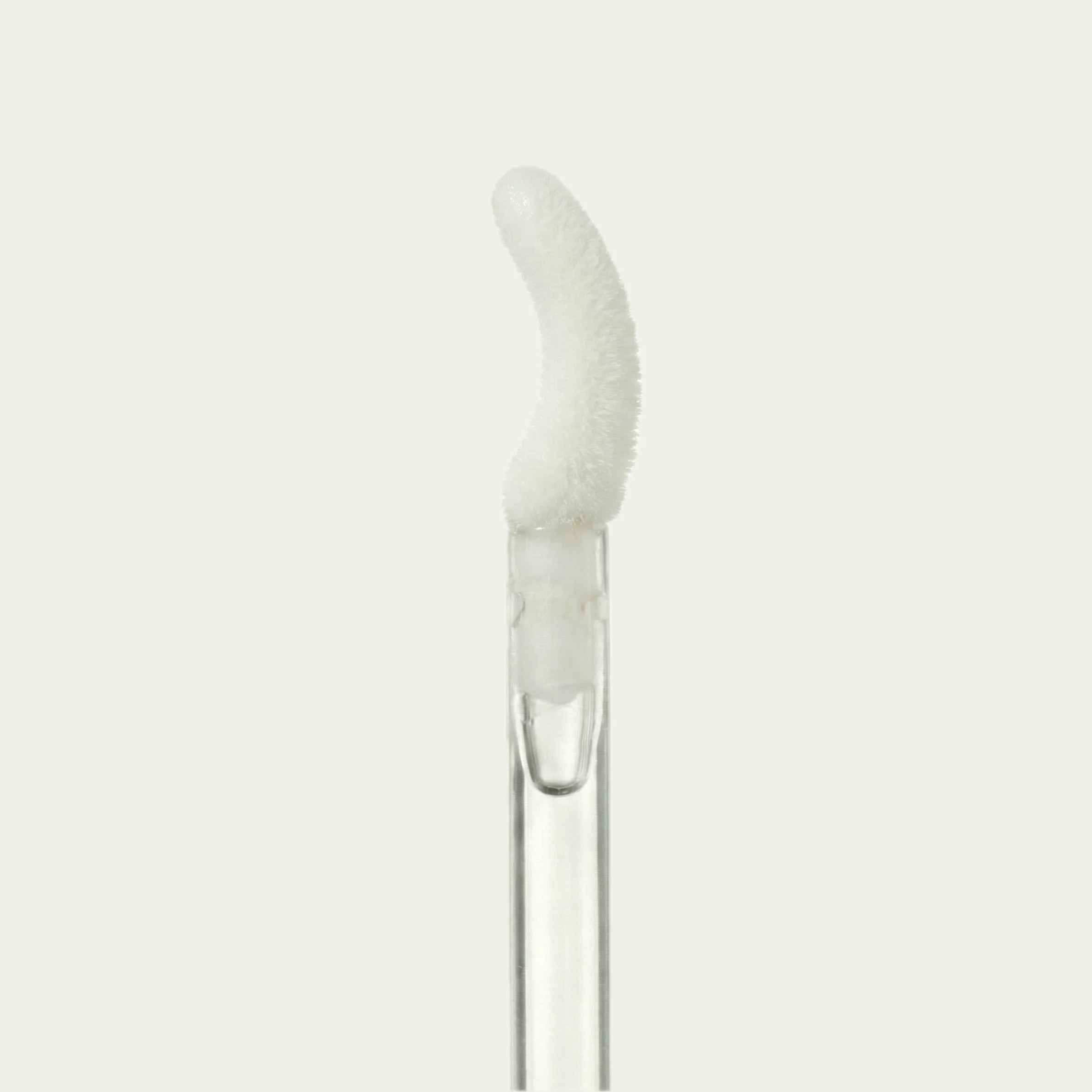
The curved doe-foot has a gentle arc that traces the natural line of the lips, including the cupid's bow and outer corners, so the tip settles into place instead of requiring the user to angle it.
Viscosity range: Works well with low-to-medium viscosity, high-shine formulas, where precise edge control matters as much as coverage.
Best for: plumping glosses and hydrating lip oils
In-market examples
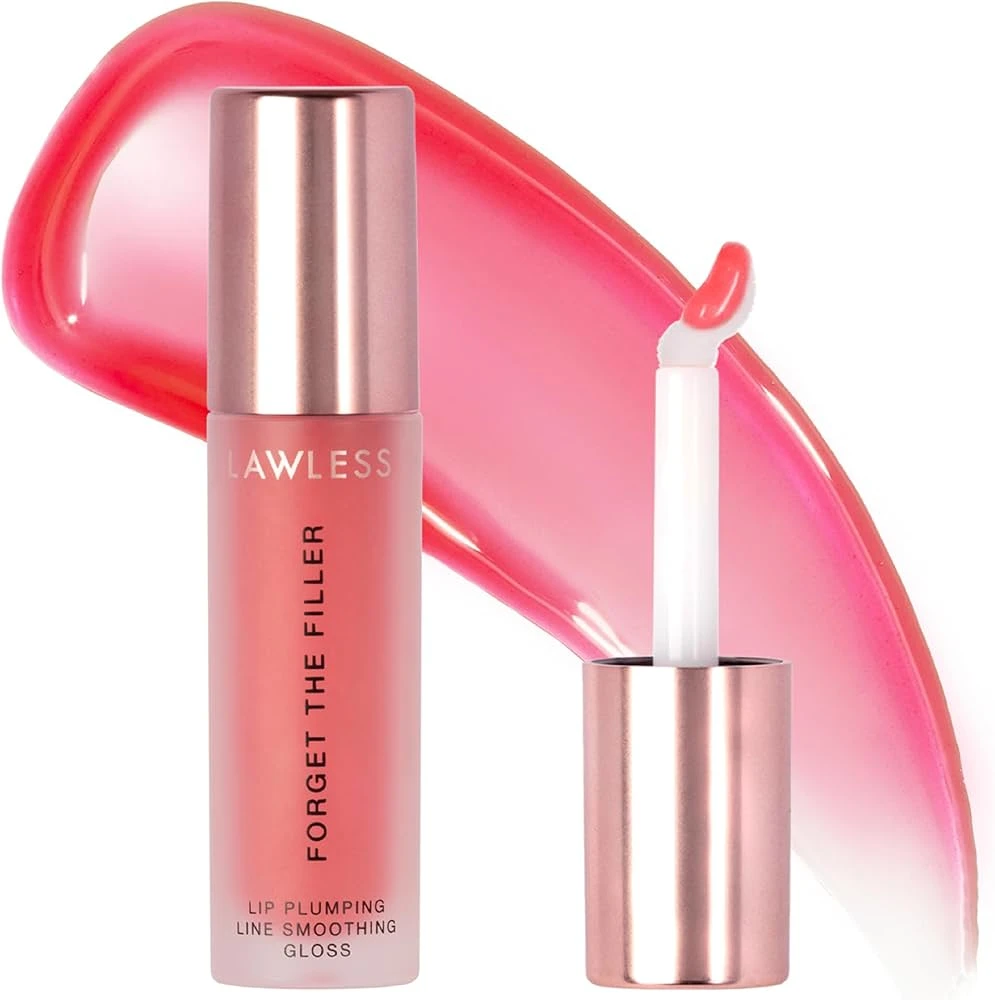
Lawless Forget the Filler Lip Plumper Line Gloss (Source: Amazon)

Sephora Collection Outrageous Plump Hydrating Lip Gloss (Source: Sephora)
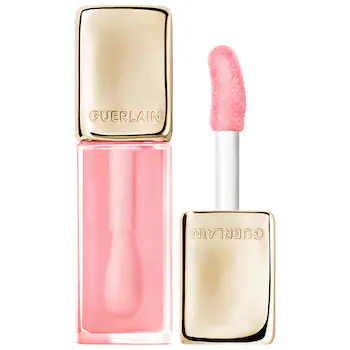
Guerlain KissKiss Bee Glow Hydrating Tinted Lip Oil (Source: Sephora)
Angled Doe-Foot
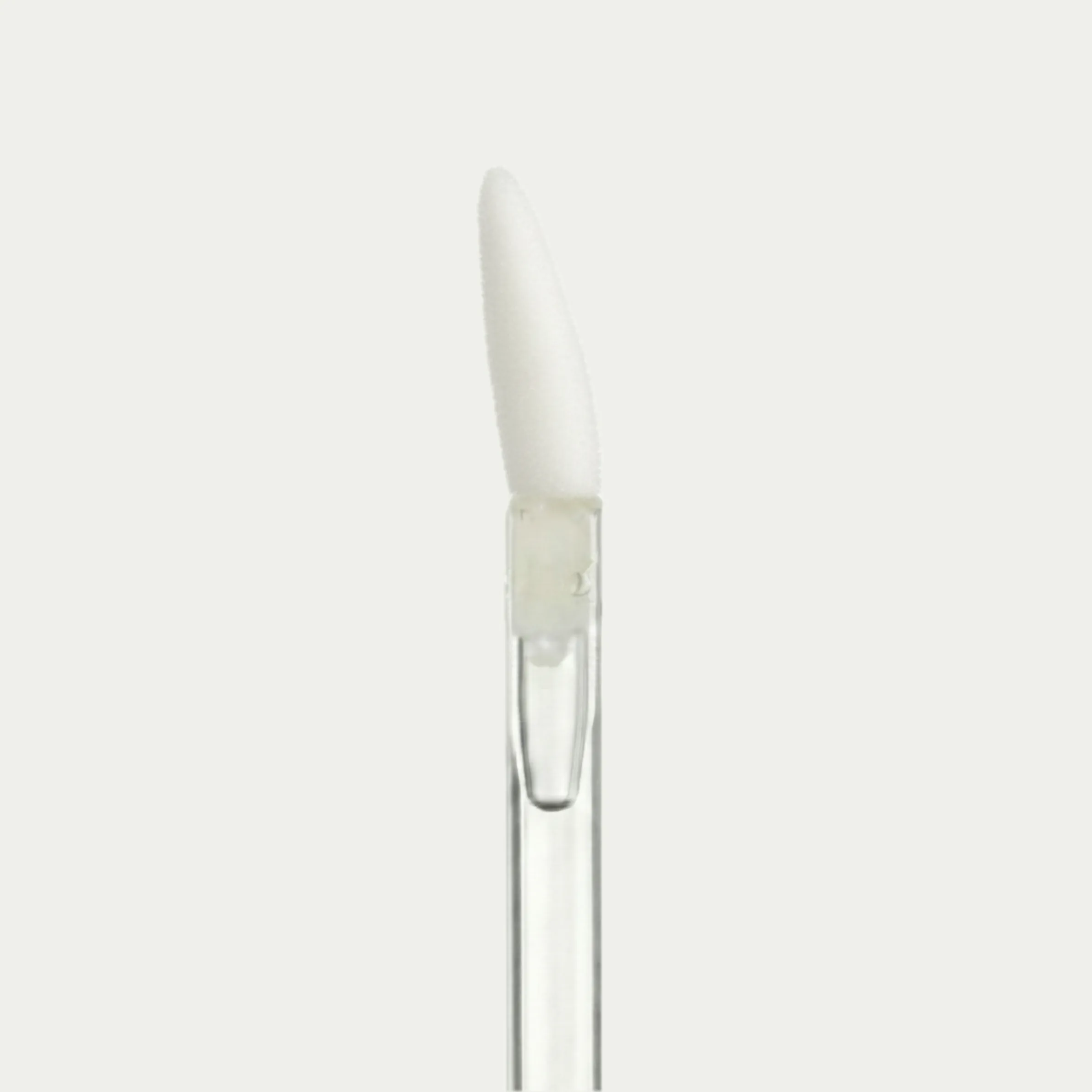
The angled doe-foot uses a sharper tip angle for more precise placement, which is especially useful for formulas positioned around plumping or volumizing effects that require accuracy along the cupid's bow.
Viscosity range: Best suited to low-to-medium viscosity formulas, where a sharper tip angle allows for more controlled, targeted placement without oversaturating the applicator.
Best for: plumping tints and volumizing glosses that depend on precise placement along the lip line
In-market examples
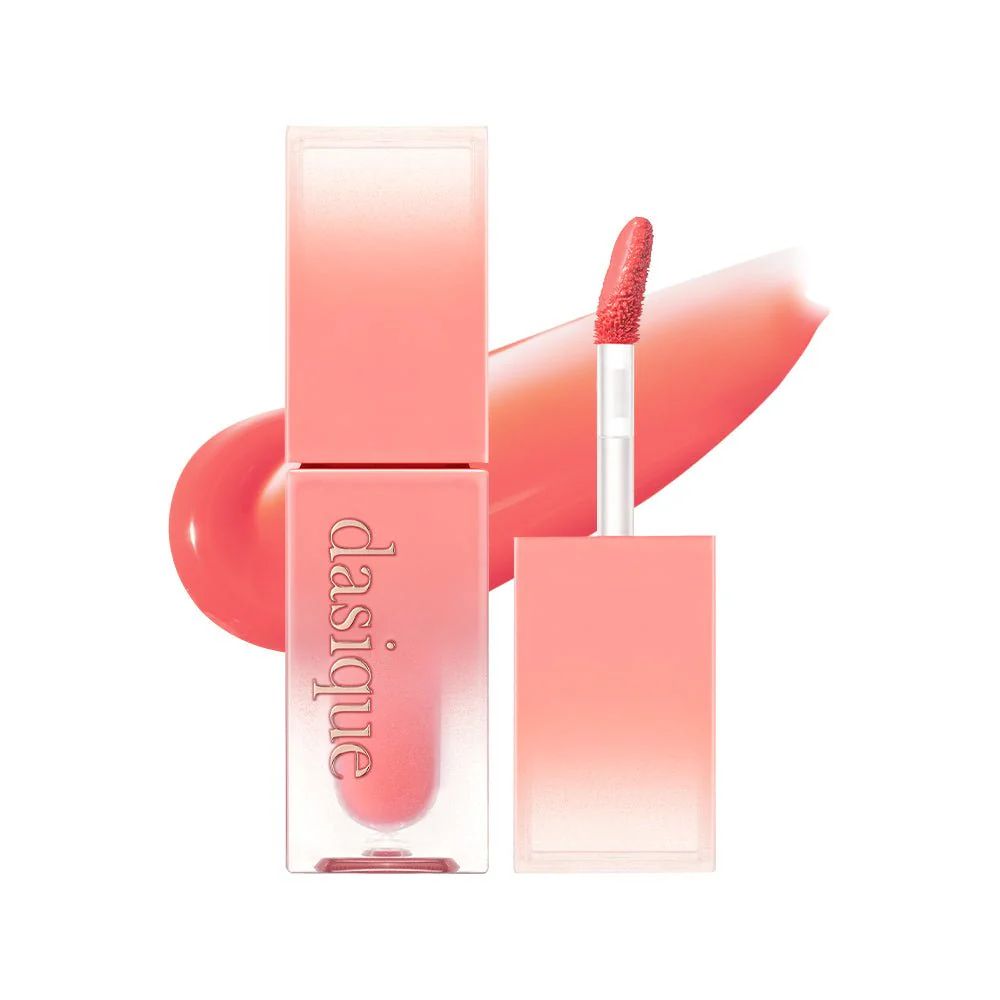
Dasique Juicy Dewy Tint (Source: Dasique)
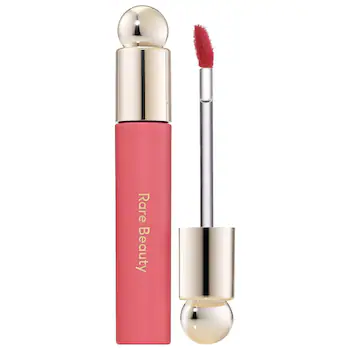
Rare Beauty Soft Pinch Tinted Lip Oil Stain (Source: Sephora)
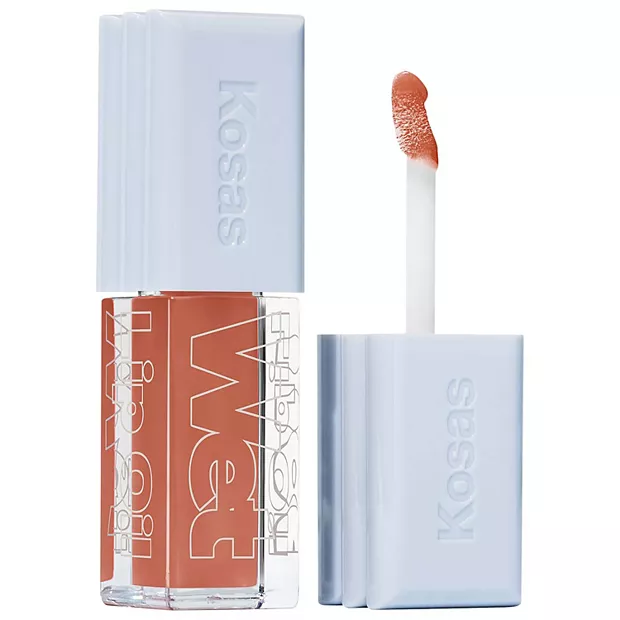
Kosas Wet Lip Oil Plumping Peptide Lip Treatment Gloss (Source: Kohl's)
Precision Pointed Tip
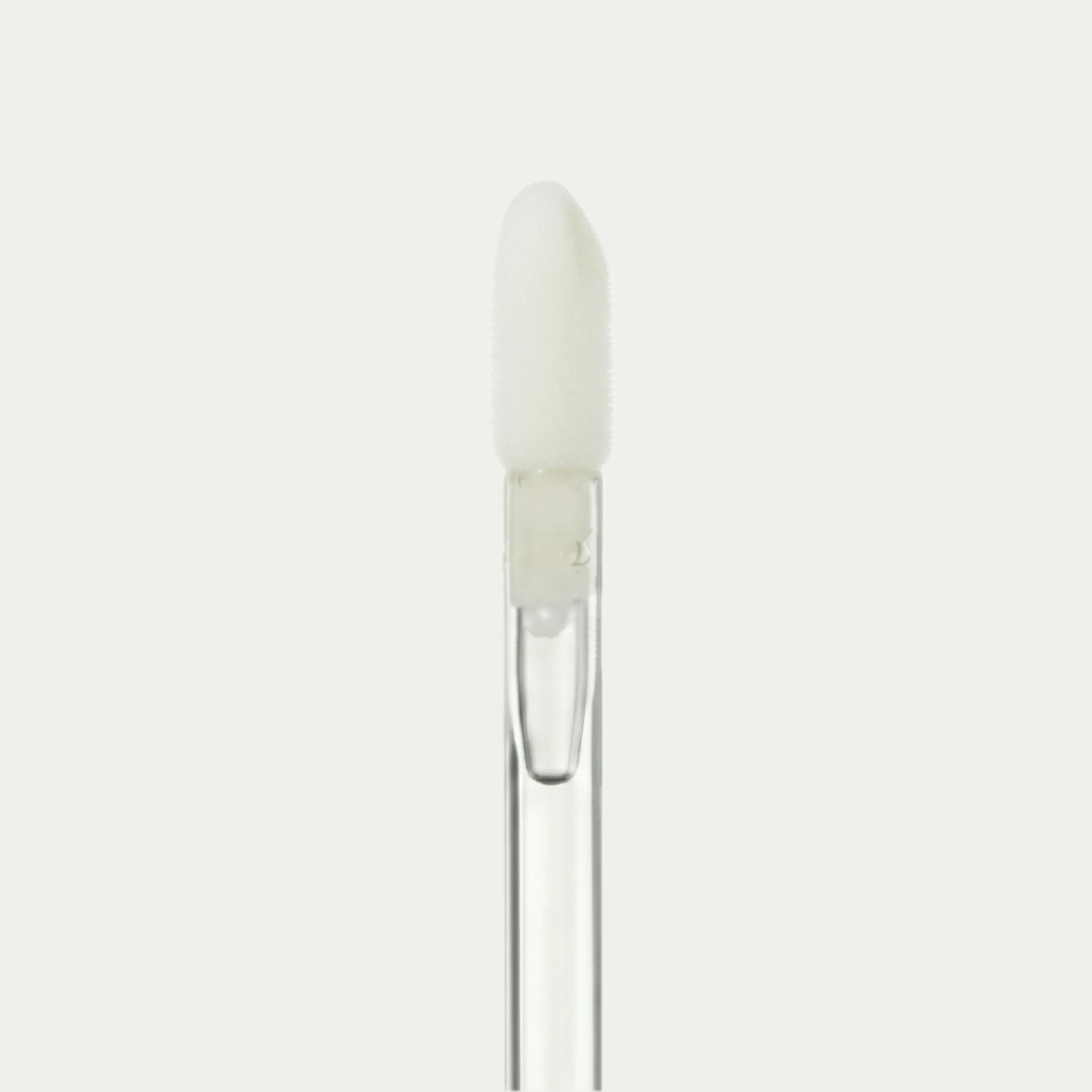
Designed for accuracy over speed, the precision pointed tip suits formulas and brand experiences built around controlled, deliberate application.
Viscosity range: Performs best with low viscosity formulas. The narrow tip holds less product overall, which favors thinner formulas that don't require a large reservoir to achieve coverage.
Best for: liquid lip balms, lightweight glosses, and concealers for detailed application
In-market examples
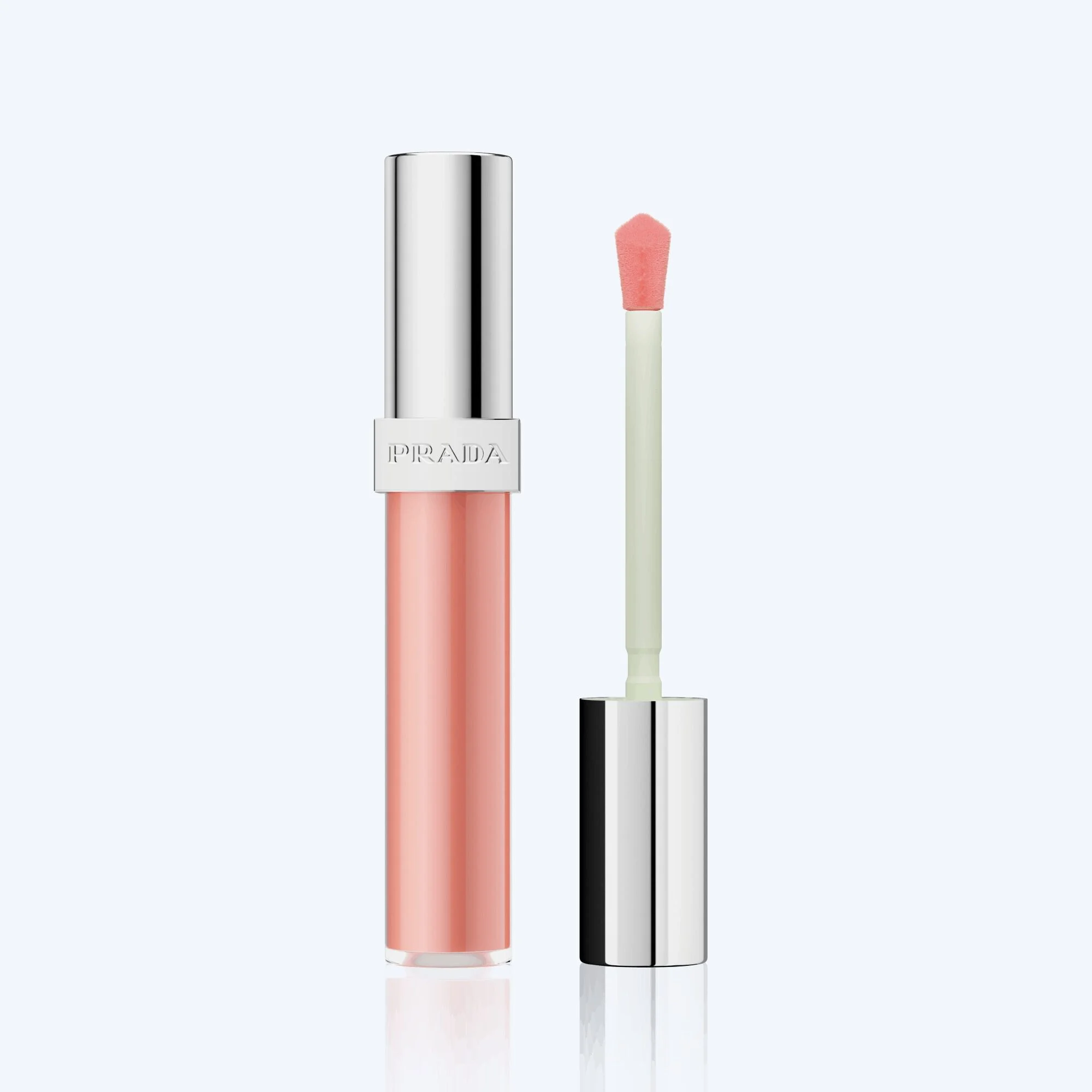
Prada Reflection Glossy Liquid Lip Balm (Source: Prada)

L'Oréal Paris Plump Ambition Hyaluron pH Lip Oil Plumping Lip Gloss (Source: Target)
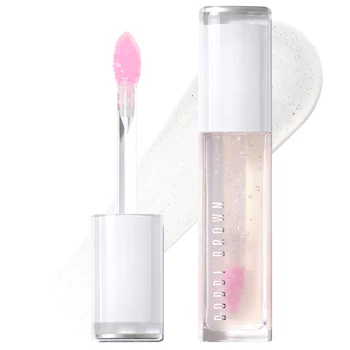
Bobbi Brown Extra Blushing PH Tinted Lip Oil (Source: Sephora)
Peanut Doe-Foot
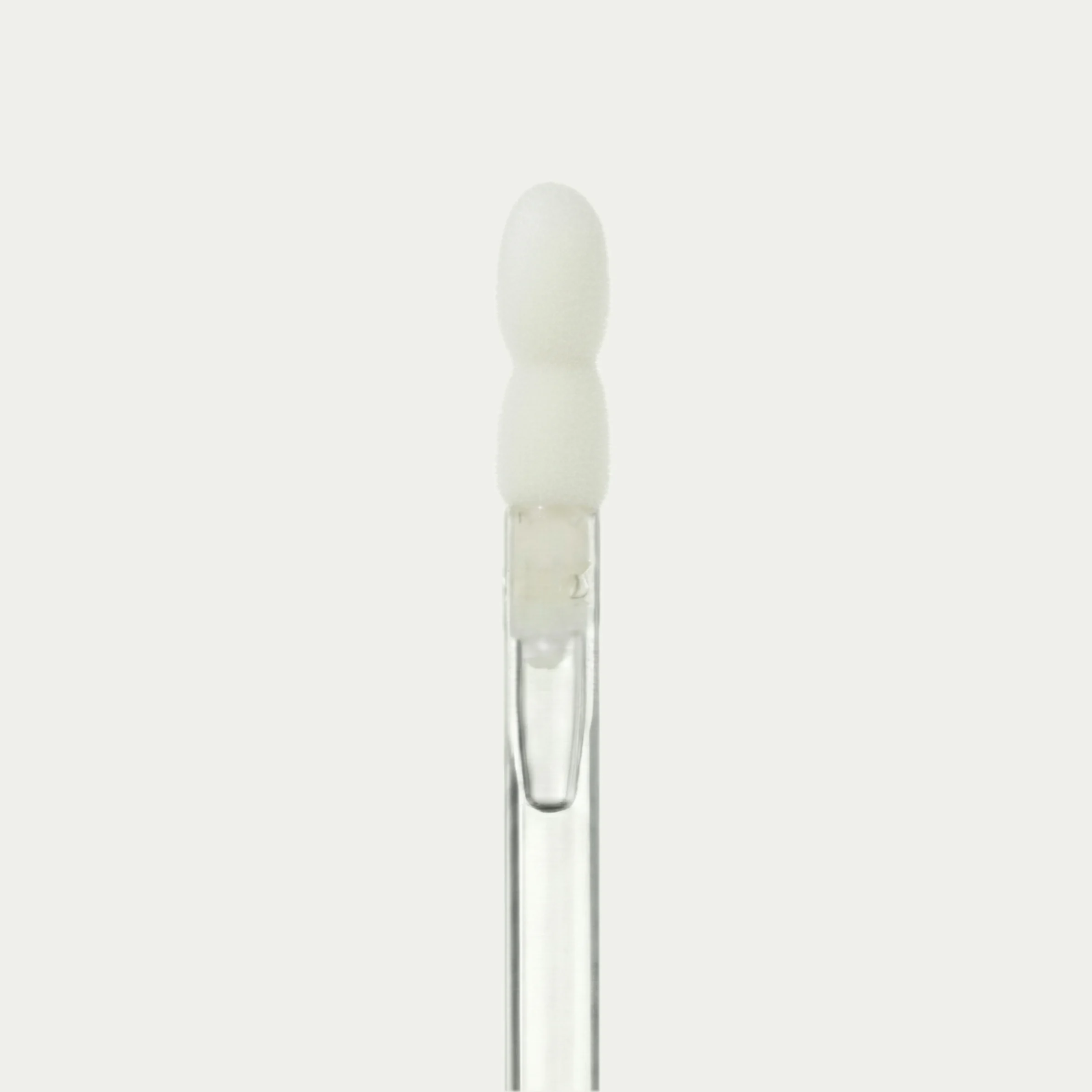
The peanut doe-foot is built to improve formula pickup and controlled release. Its curved center creates a natural reservoir area that helps hold product and deliver a consistent application.
Viscosity range: Versatile across low-to-high viscosity formulas, but its clearest advantage is with thin, low-viscosity formulas that need extra help loading and carrying product without dripping.
Best for: thin, fluid lip balms and gloss-balm hybrids
In-market examples

L'Oréal Glow Paradise Lip Balm-in-Gloss (Source: iHerb)
Tapered Paddle Doe-Foot
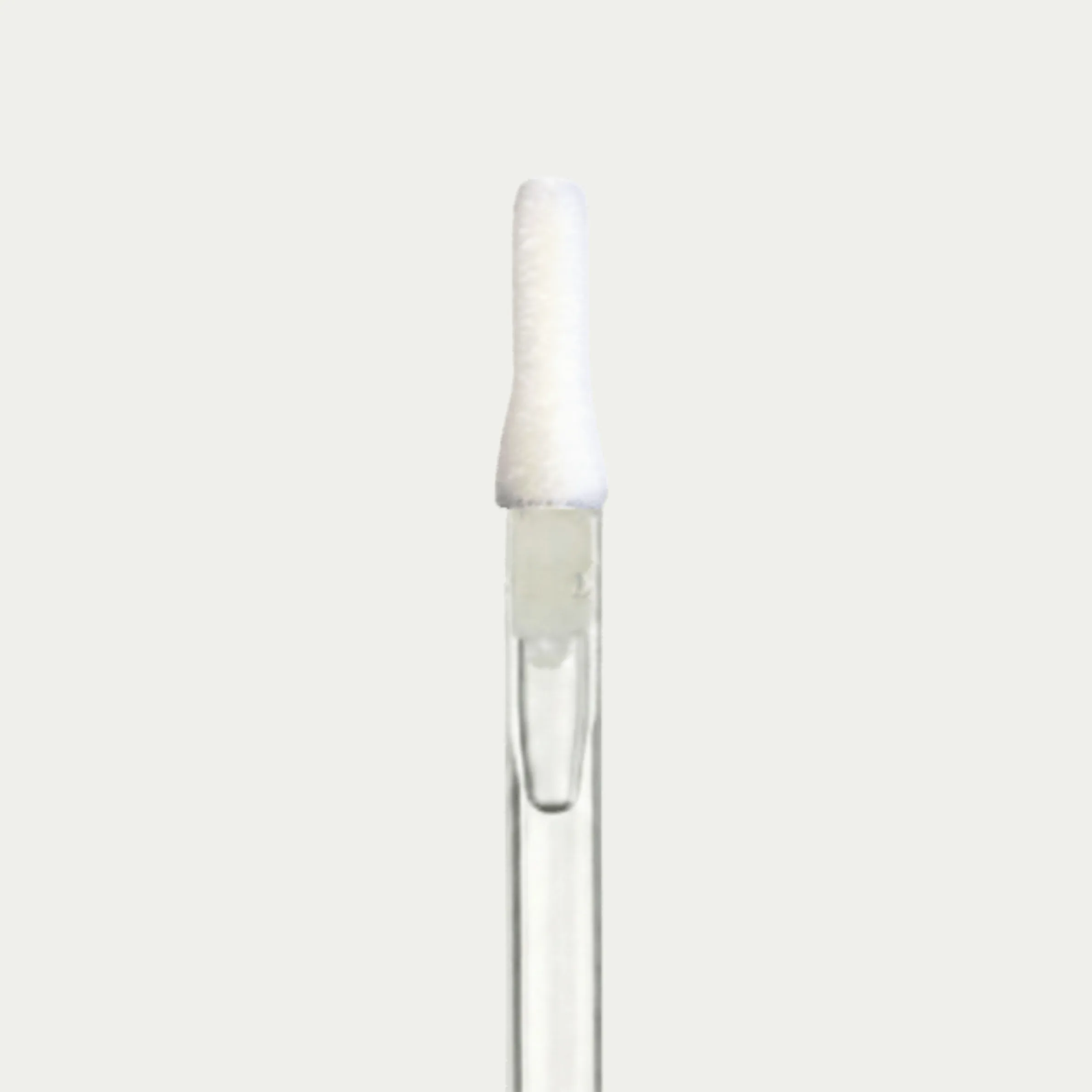
This design combines the coverage benefits of a paddle tip with a narrower, tapered base for improved control coming off the neck of the tube.
Viscosity range: Suited to medium-to-high viscosity formulas, similar to the standard paddle shape, with slightly more control during application.
Best for: high-shine glosses
In-market examples
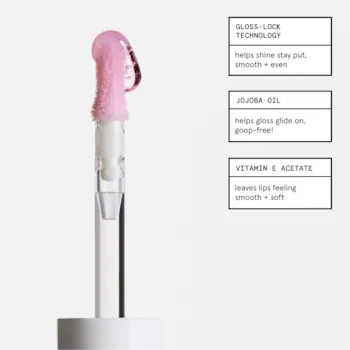
Glossier Glassy High-Shine Lip Gloss (Source: Sephora)
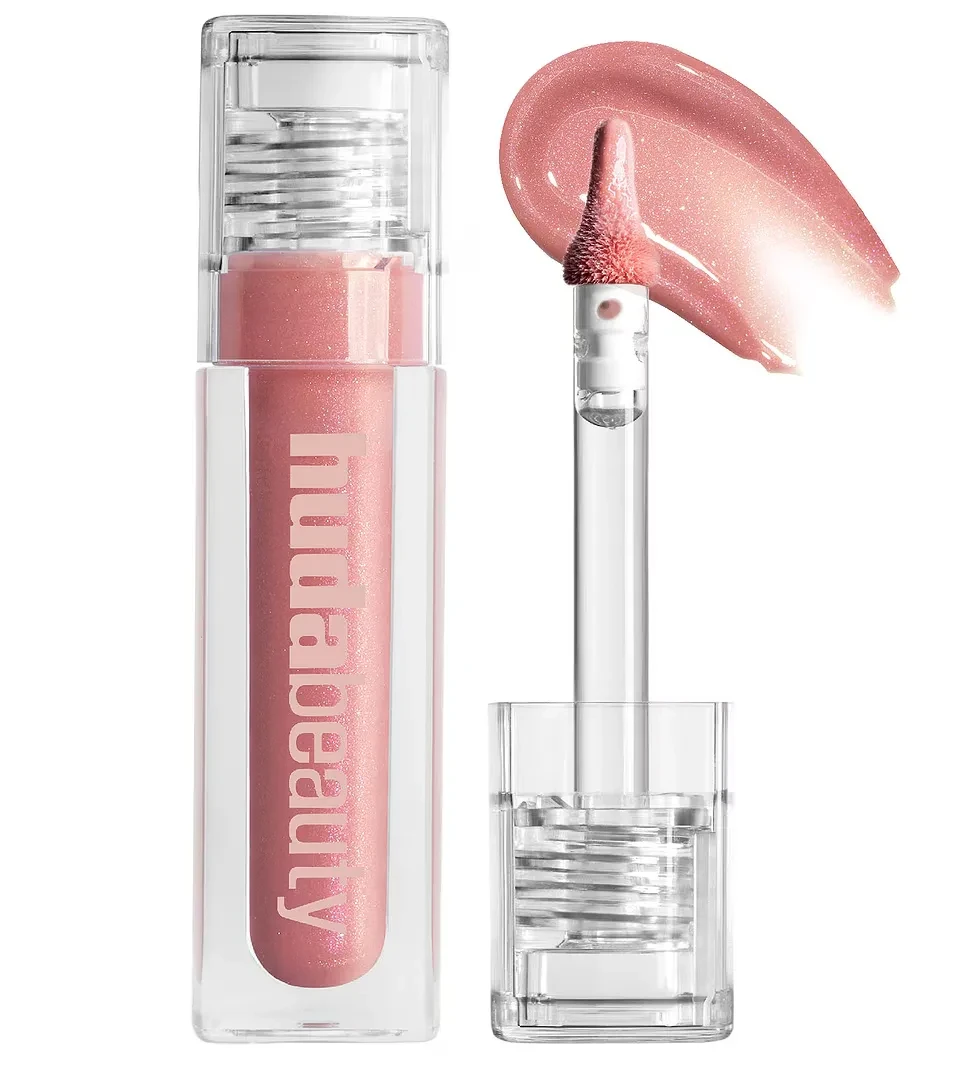
Huda Beauty Faux Filler Shiny Non-sticky Lip Gloss (Source: Revolve)
Straight Doe-Foot
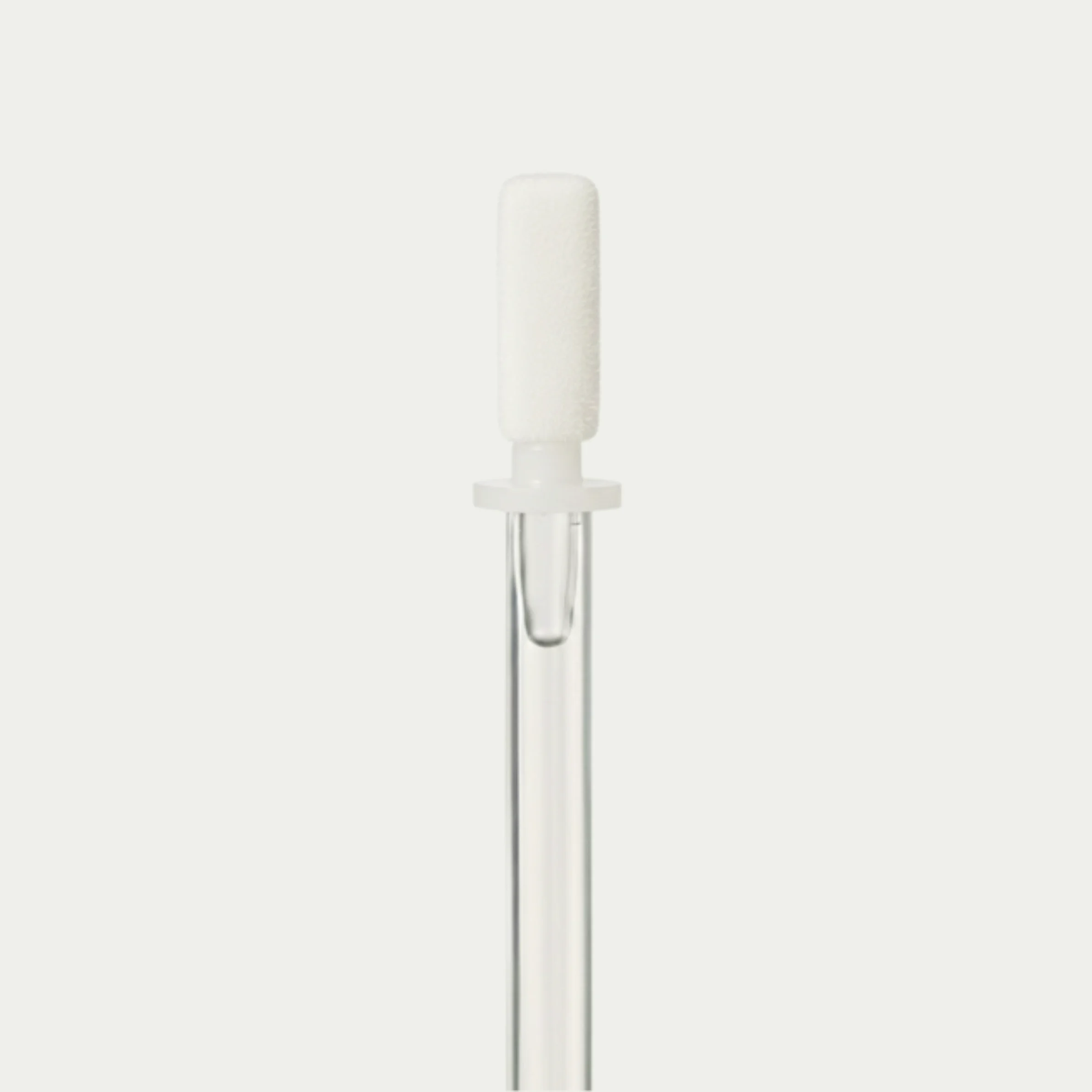
The straight doe-foot offers a more linear profile than the classic shape, providing a simple, predictable application experience well suited to a range of formula types.
Viscosity range: Performs consistently across low-to-medium viscosity formulas.
Best for: high-glide glosses and liquid lip balms
In-market examples
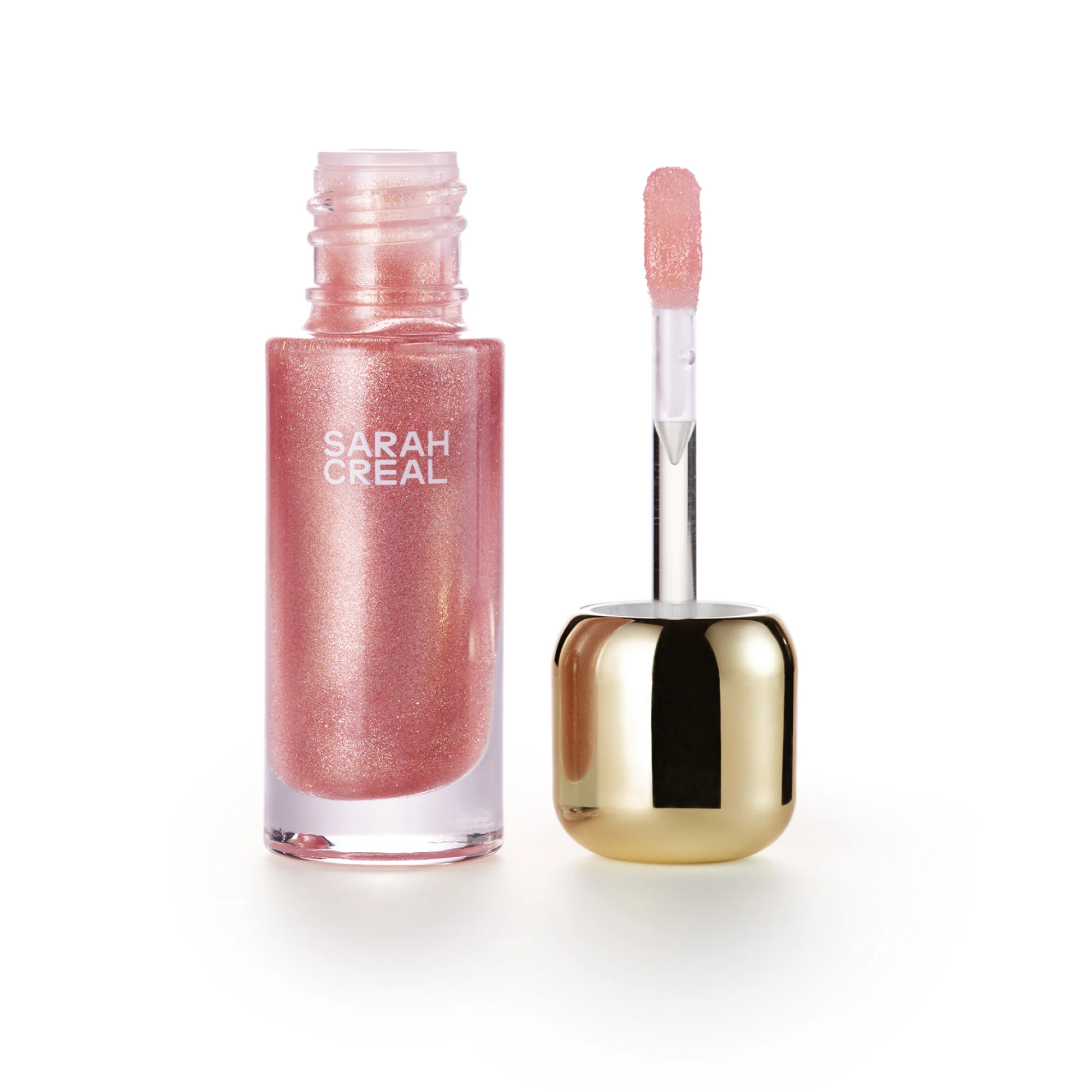
Sarah Creal No Further Questions High Glide Peptide Lip Gloss (Source: Sarah Creal)
Reservoir Tip Doe-Foot
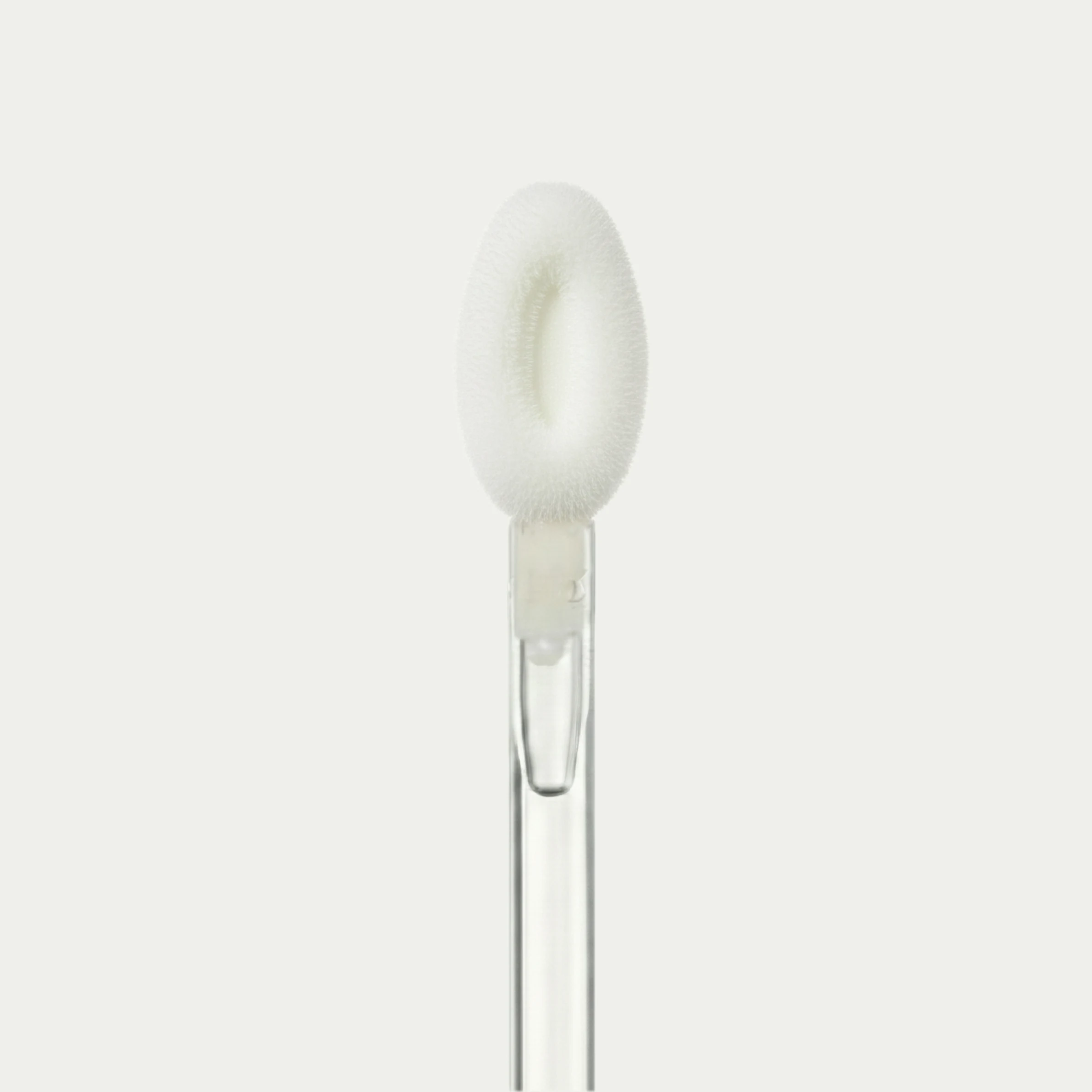
The reservoir tip doe-foot includes a dedicated product-holding area that stores additional formula, allowing for higher payoff and more even distribution in fewer passes.
Viscosity range: Best suited to medium-to-high viscosity formulas, where the added reservoir capacity helps deliver a fuller dose in fewer passes.
Best for: brightening treatments and high-shine lip oils
In-market examples
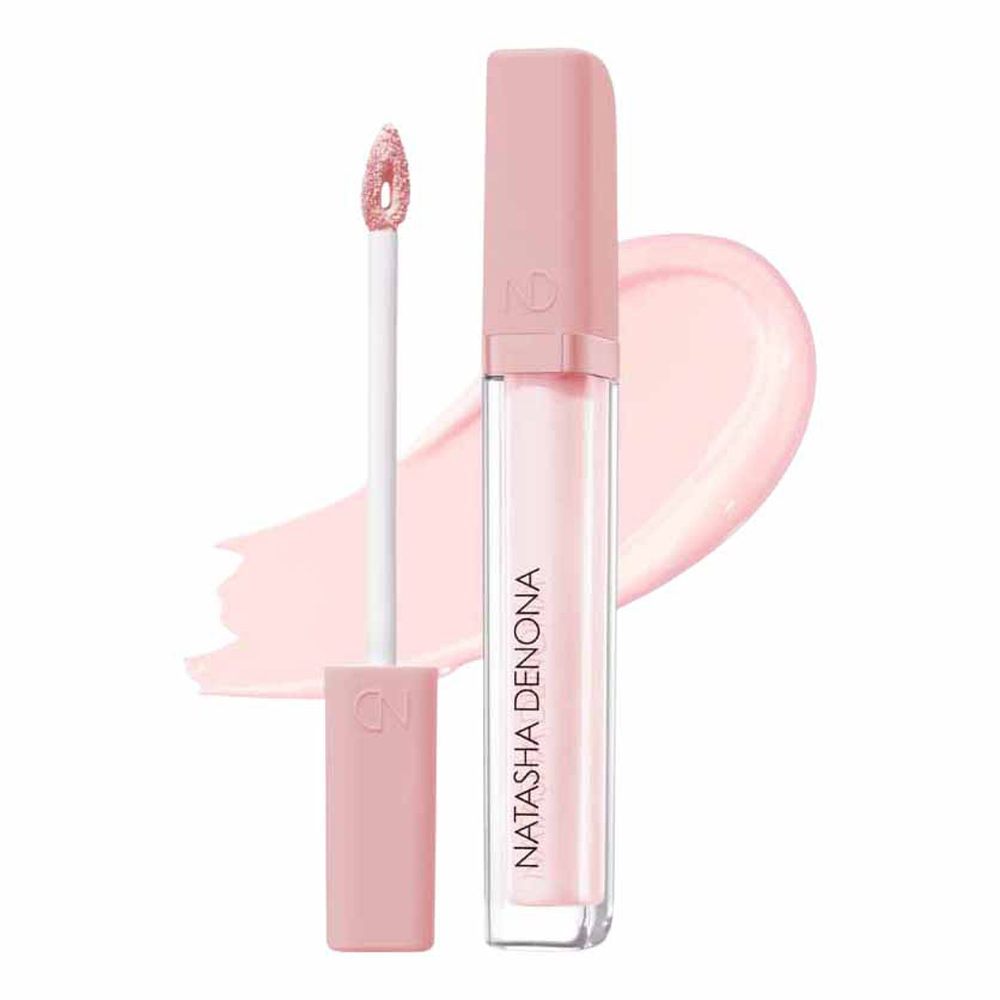
Natasha Denona HY-GLAM Brightener (Source: eCosmetics)
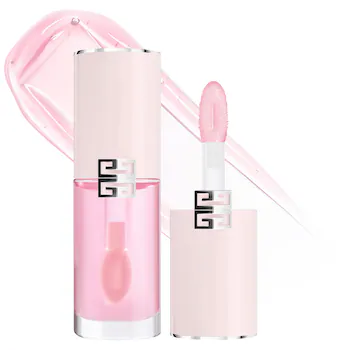
Givenchy Perfecto Hydrating & Smoothing High-Shine Lip Oil Gloss (Source: Sephora)
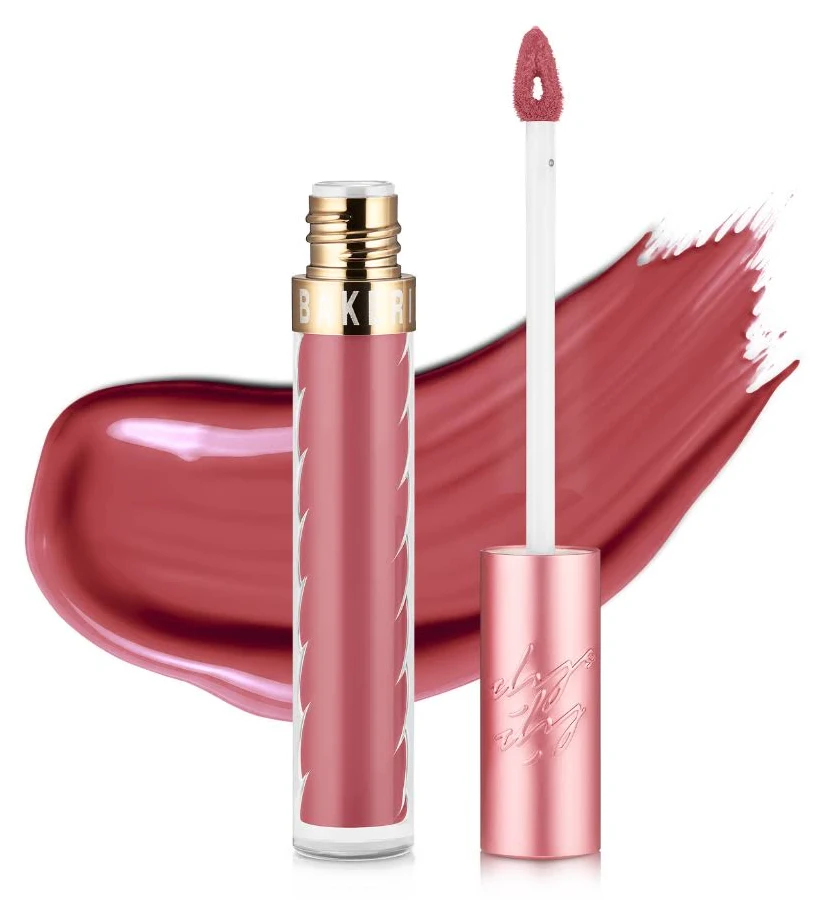
Beauty Bakerie Lip Whip (Source: Beauty Bakerie)
Why is it called a Doe-Foot Applicator?
A doe-foot applicator is named for its tip shape, which resembles the hoof of a doe (female deer). The tip is narrow where it meets the wand and widens into a soft, slightly angled paddle, echoing the slender, tapered form of a deer's hoof.
That resemblance is more than a fun bit of trivia. The same shape that inspired the name is what makes the tool work so well. The tapered edge reaches into precise spots like the corners of the lips or the inner eye, while the wider, cushioned face lays down product in a smooth, even sweep. The tip is usually flocked with fine synthetic fibers, so it holds the right amount of product and releases it cleanly.
Worth noting: the "doe-foot" label technically describes the angled, rounded tip, though the industry now uses it broadly for a range of wand styles as we've outlined above.
What Is a Flocked Tip Doe-Foot Applicator?
A flocked tip doe-foot applicator is an applicator with a soft sponge base covered in fine synthetic fibers (usually nylon or polyester) that create a velvety texture. This flocked layer allows the tip to pick up and release product evenly, preventing smearing or streaking during application.
The flocking also matters for comfort. Because it's gentle against the skin, it's well-suited for delicate areas like the lips and under-eyes, where a harder or smoother surface would feel less pleasant to use. Brands can also adjust the fiber density, length, and texture during manufacturing to fine-tune the applicator's feel and performance to match their formula's specific viscosity. For reference, a thicker gloss might call for denser flocking, while a lighter treatment oil might need a finer, softer finish.
Applicator Trends and Innovation
The doe foot applicator category continues to evolve, with new designs improving both functionality and aesthetic appeal. Several developments are worth noting:
- Custom-shaped applicators demonstrate that doe foot design isn't limited to a small set of standard silhouettes. We've seen suppliers like Shinhan get creative with logo-shaped applicator tips designed to deliver the product experience while incorporating a key brand element in use.
- Chubby doe foot applicators offer a larger, rounder tip that's increasingly common in plumping and volumizing gloss formulas.
- Dual-ended lip gloss tubes allow a single tube to house two shades, finishes, or applicator types in one component.
- Zamac and metal tip applicators deliver a cooling sensation on application, making them increasingly popular for lip gloss and concealer packaging. Manufacturers like Sambound specialize in producing these metal tips in-house, with production capabilities in both Vietnam and China.

Sustainability is also shaping the future of doe-foot packaging. Brands are increasingly exploring biodegradable materials, inclusion of recycled resins, and refillable systems for applicator-based packaging, aligning with growing consumer demand for more responsible beauty packaging.
Choosing the Right Doe Foot Applicator
Selecting the right doe foot applicator comes down to matching the tip shape and reservoir design to the formula's viscosity and intended use. The classic doe-foot remains a reliable default for many formulas, but higher-viscosity glosses, precision-focused products, and treatment formulas often perform better with a more specialized shape. Testing the applicator and wiper together, rather than in isolation, is the most reliable way to ensure consistent performance once the product reaches the customer.
For more information on materials, customization, and sourcing, visit our lip gloss tube packaging FAQ.
Looking for packaging? Let's partner!