


North America
Europe
Asia
Stock Colors

Glass & PET Bottles for Still & Sparkling Water
Browse glass and PET bottles for still water, sparkling water, mineral water, flavored water, and other water-based beverages. Compare bottles by material, capacity, shape, neck finish, closure, minimum order quantity, and manufacturing location.

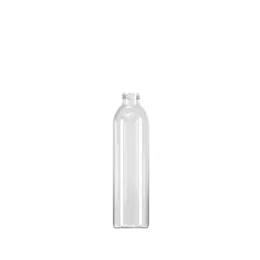
8.5oz /250ml 24-410 PET Round Bottle


16.9oz / 500ml 28-PCO PET Plastic Slim Round Beverage Bottle

4oz /118ml 20-410 PET Oval Bottle
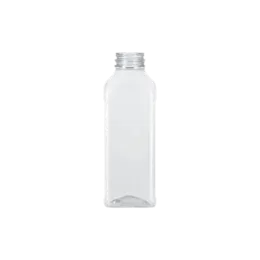
14.5oz Square 38mm DBJ PET Juice Bottle
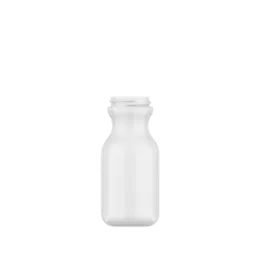
9.4oz /279ml 43-400 HDPE Bottle


54oz / 1.6L 38-400 PET Plastic Honeycomb Dome Pinch Grip Bottle

3.4oz /100ml 22-410 PET Round Bottle


67.6oz / 2L 38-400 PET Plastic Rectangle Grip Bottle (Heavy, 72g)

8oz /237ml 24-410 PET Round Bottle

8oz Round 38mm Tamper-Evident PET Bottle

4.2oz /125ml 22-410 PET Round Bottle

9oz / 266ml 38-400 PET Plastic Round Bottle

4.2oz /125ml 22-415 PET Cylinder Bottle


40oz / 1.18L 28-400 PET Plastic Round Ribbed Bottle

4.2oz /125ml 24-415 PET Round Bottle

14oz / 420ml Aluminum Square Bottle with 38mm Neck

3.4oz /100ml 20-410 PET Oval Bottle

12oz / 355ml 38-OI-02 PET Plastic Cosmo Round Beverage Bottle

1.25oz /37ml 24-410 PET Round Bottle

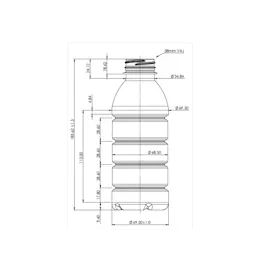
16.9oz / 500ml PET Plastic Round Ribbed Body Beverage Bottle with 38mm VAJ Finish

3.4oz /100ml 22-415 PET Cylinder Bottle
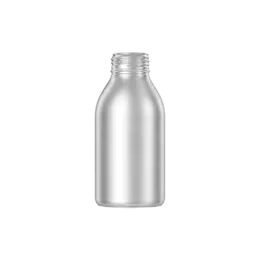
12oz / 355ml Aluminum Round Bottle with 38mm Neck

3.4oz /100ml 24-410 PET Cylinder Bottle

54oz / 1.6L 38-OI-02 PET Plastic Honeycomb Dome Pinch Grip Bottle
Glass & PET Bottles for Still & Sparkling Water
Water bottle packaging includes glass, PET, and other plastic beverage bottles for still water, sparkling water, mineral water, flavored water, and other water-based beverages. Options range from smaller single-serve bottles to standard retail sizes and larger-format water containers. Bottle selection depends on the beverage, fill volume, filling process, container material, neck finish, closure system, required barrier performance, and distribution conditions.
Common Water Bottle Options:
- PET Water Bottles: PET provides a clear, lightweight format for still water and other beverage applications and is available across a wide range of capacities, shapes, and neck finishes.
- Glass Water Bottles: Glass bottles are used for still, sparkling, mineral, and other bottled water products and are available in a range of capacities, shapes, colors, and closure systems.
- Sparkling Water Bottles: Bottles for sparkling and carbonated water must be designed for the pressure generated by carbonation. Bottle construction, closure compatibility, filling conditions, and pressure performance should be validated for the intended product.
- Single-Serve Bottles: Smaller bottle formats provide options for individual servings, travel sizes, and other portioned beverage applications.
- Large Water Bottles & Containers: Larger-capacity bottles and handled containers provide packaging options for multi-serve and bulk water applications.
- Caps & Closures: Water bottles can be paired with compatible threaded, tamper-evident, and other beverage closures based on the bottle neck finish and application requirements.
Materials, Neck Finishes & Closures:
Compare water bottles in glass, PET, and other plastic materials across different capacities, shapes, and neck finishes. Neck finish determines compatibility with the selected cap or closure, while bottle material and construction should be evaluated against the filling process, beverage requirements, storage conditions, and distribution environment. Carbonated and sparkling water applications require bottles and closures designed to withstand the intended internal pressure.
Compare water bottles and beverage containers by material, capacity, shape, neck finish, closure, and minimum order quantity. Request quotes, samples, or technical documents from bottle manufacturers and suppliers. Bottle compatibility, closure fit, seal integrity, filling conditions, and the complete packaging system should be evaluated with the intended beverage before production. Products shown in this category may be suitable for one or more beverage applications, but category placement does not guarantee compatibility with a specific product or filling process.
FAQs
What type of bottles are used for water?
Water is commonly packaged in glass and PET beverage bottles, with different formats used for still, sparkling, mineral, flavored, and larger-format water products. The appropriate bottle depends on the beverage, fill volume, filling process, neck finish, closure system, and distribution requirements.
Why is PET used for water bottles?
PET provides a clear, lightweight rigid packaging format and is available across a wide range of bottle capacities, shapes, weights, and neck finishes. The specific bottle should be evaluated for the intended filling and distribution conditions.
Are glass bottles used for water?
Yes. Glass bottles are used for still water, mineral water, sparkling water, and other beverage applications. Glass water bottles are available in different capacities, shapes, colors, neck finishes, and closure configurations.
What bottles are used for sparkling water?
Sparkling water can be packaged in glass and plastic beverage bottles designed for carbonated products. Because carbonation creates internal pressure, the bottle and closure system should be specified and tested for the intended carbonation level, filling process, storage conditions, and distribution environment.
What closures are used for water bottles?
Water bottles can use threaded caps, tamper-evident closures, and other beverage closure systems. Closure selection depends on the bottle neck finish, beverage, filling process, sealing requirements, and whether the product is still or carbonated.
What should I consider when sourcing water bottles?
Consider the beverage type, bottle material, capacity, shape, neck finish, closure, filling process, minimum order quantity, and distribution requirements. For sparkling or carbonated water, pressure performance is an additional consideration. The bottle and closure system should be tested together under the intended production and distribution conditions.