


North America
Europe
Asia
Label
Other

Recyclable Sachets
Browse recyclable and recycle-ready sachets designed for single-use food, beauty, personal care, and other products. Compare flexible packaging by material, sachet format, barrier properties, minimum order quantity, and manufacturing location. Recyclability depends on the complete structure and local collection & recycling systems, and is not guaranteed.


0.4oz /12ml PP Sachet


12oz /355ml Recyclable High Barrier Sachet


0.7oz /20ml PP Sachet

16oz /473ml Recyclable High Barrier Sachet


0.5oz /15ml PP Sachet

14oz /414ml Recyclable High Barrier Sachet


0.2oz /5ml PP Sachet

10oz /296ml Recyclable High Barrier Sachet


0.03oz /1ml PP Sachet


0.7oz /20ml PP Sachet

0.03oz /1ml PP Sachet
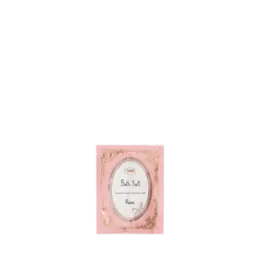
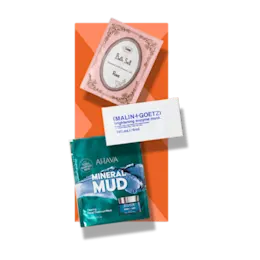
0.02oz /1ml PP Sachet


2oz /60ml PP Sachet


1.4oz /40ml PP Sachet


0.3oz /10ml PP Sachet

0.2oz /5ml PP Sachet

0.2oz /5ml PP Sachet

0.1oz /3ml PP Sachet
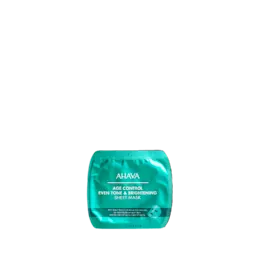
0.02oz /1ml PP Sachet
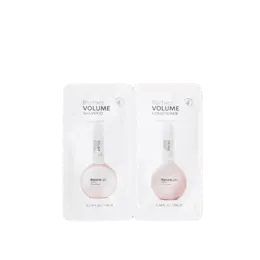
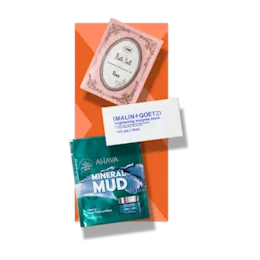
2oz /60ml PP Sachet


1.7oz /50ml PP Sachet

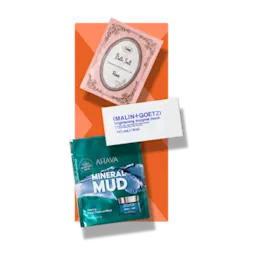
1oz /30ml PP Sachet


1oz /30ml PP Sachet


0.7oz /20ml PP Sachet
Recycle-Ready Sachets & Mono-Material Packaging
Recyclable and recycle-ready sachets are flexible packaging formats designed with material recovery and recycling compatibility in mind. Sachets are used for single-dose cosmetics, skincare, personal care, food, supplements, and other products. While conventional sachets often combine multiple materials to achieve the required barrier and sealing performance, some newer structures use predominantly polyethylene (PE), polypropylene (PP), or other compatible material systems to support recyclability. Actual recyclability depends on the complete sachet construction, size, collection infrastructure, sorting capabilities, and local recycling requirements.
Recyclable & Recycle-Ready Sachet Options:
- Mono-Material PE Sachets: PE-based flexible packaging structures can be designed for compatibility with certain polyethylene film recycling streams. Barrier layers, coatings, adhesives, inks, and other components must be evaluated alongside the primary material, and local collection programs may not accept small sachets.
- Mono-Material PP Sachets: PP-based sachet structures can provide another approach to designing flexible packaging for recyclability. Actual recycling compatibility depends on the complete film structure and the availability of appropriate PP flexible packaging collection and processing systems.
- High-Barrier Recycle-Ready Sachets: Some sachets incorporate barrier technologies intended to provide oxygen, moisture, or aroma protection while maintaining compatibility with a target recycling stream. The impact of coatings and barrier layers should be assessed against relevant recycling guidelines.
- Four-Side Seal Sachets: Four-side seal sachets are used for single-dose liquids, creams, powders, and other products. Their recyclability depends on the selected film structure, seals, decoration, dimensions, and local recycling infrastructure.
- Die-Cut & Specialty Sachets: Die-cut and other shaped sachets can be produced using different flexible packaging structures. Their dimensions, material construction, sealing design, and decorative features should be evaluated for compatibility with the intended recycling system.
What Makes a Sachet Recyclable?
Sachet recyclability depends on whether the finished package can be collected, sorted, and reprocessed through an established recycling system. Material composition is important, but it is not the only factor. Sachet dimensions, flexible film structure, barrier coatings, adhesives, printing inks, pigments, seals, and product residue can affect recycling compatibility. Even a sachet made primarily from a recyclable polymer may not be accepted by local recycling programs.
Mono-Material vs. Multi-Material Sachets:
Traditional flexible sachets may use laminated structures combining materials such as PET, PE, aluminum foil, or other layers to achieve specific barrier and mechanical properties. These combinations can be difficult to separate and recycle through conventional systems. Mono-material sachets aim to use compatible polymer families across the packaging structure, although they may still incorporate adhesives, coatings, and other functional components. A mono-material designation alone does not establish that a sachet is recyclable.
Barrier Properties & Product Protection:
Recyclability should be evaluated alongside the sachet's ability to protect the intended product. Oxygen transmission rate (OTR), water vapor transmission rate (WVTR), light protection, chemical compatibility, puncture resistance, and seal integrity can be important depending on the formula. Food, cosmetics, and other products may have different barrier and shelf-life requirements. The selected film structure should be validated for both product protection and its intended recycling pathway.
Printing, Coatings & Sealing:
Inks, adhesives, coatings, metallization, and other decorative or functional layers can affect the recyclability of flexible packaging. Heat-seal layers and sealing performance are also critical to product protection. When sourcing recycle-ready sachets, request details about the complete laminate or film construction rather than relying solely on the primary resin designation.
Choosing Recycle-Ready Sachet Packaging:
Consider the product formula, fill volume, sachet dimensions, seal configuration, film composition, barrier requirements, printing method, filling equipment, storage conditions, and intended market. Ask manufacturers for material specifications and any available design-for-recycling assessments. The complete finished sachet should be evaluated against relevant recycling guidelines and the collection and processing systems available where the product will be sold.
Compare recyclable and recycle-ready sachets by material structure, format, dimensions, barrier properties, minimum order quantity, and manufacturing location. Request quotes, samples, technical documents, or recyclability assessments from flexible packaging manufacturers and suppliers. Products shown in this category may be suitable for one or more applications, but category placement does not guarantee compatibility with a specific product or filling process. Inclusion in this category also does not guarantee that a finished sachet is recyclable. Recyclability claims should be substantiated for the complete package and intended market, including film construction, inks, adhesives, coatings, and available collection and processing infrastructure.
FAQs
Are sachets recyclable?
Some sachets are designed for compatibility with recycling systems, but many conventional sachets are difficult to recycle because of their small size, multilayer construction, and limited collection infrastructure. Recyclability depends on the complete packaging structure and local recycling capabilities.
What are recyclable sachets made from?
Some sachets designed for recyclability use predominantly PE or PP film structures. However, the complete package may also contain barrier layers, coatings, inks, adhesives, and other components that affect recycling compatibility. Material composition alone does not guarantee recyclability.
What is the difference between recyclable and recycle-ready sachets?
Recyclable sachets must meet applicable criteria for collection, sorting, and reprocessing in the intended market. Recycle-ready sachets are designed with recycling compatibility in mind but may not be accepted or recycled in existing local systems. Neither designation should be used as an unconditional claim without appropriate substantiation.
What is a mono-material sachet?
A mono-material sachet is a flexible package designed primarily around one polymer family, such as PE or PP, rather than combining multiple incompatible materials. It may still contain coatings, adhesives, inks, or barrier layers, so its recycling compatibility must be evaluated as a complete package.
Can recyclable sachets provide high-barrier protection?
Some recycle-ready sachet structures incorporate barrier technologies designed to limit oxygen or moisture transmission while supporting compatibility with a target recycling stream. Barrier performance and recyclability depend on the complete material structure and should be verified with the manufacturer.
Are four-side seal sachets recyclable?
Four-side seal sachets can be manufactured using different flexible packaging materials, including structures designed for recyclability. However, the seal format alone does not determine recyclability. Film composition, package size, coatings, inks, and local recycling infrastructure all affect the outcome.
Can small single-dose sachets be recycled?
Small single-dose sachets can be difficult for recycling systems to collect and sort, even when their materials are theoretically recyclable. Acceptance depends on the collection program, package dimensions, material structure, and available sorting and processing technology.
How can I verify whether a sachet is recyclable?
Request the complete material structure and any available recyclability assessments from the manufacturer. Evaluate the finished sachet, including its dimensions, films, barrier layers, adhesives, inks, and coatings, against relevant recycling design guidelines and collection and processing capabilities in the intended market. Consumer-facing claims should be supported by appropriate evidence.
What should I consider when sourcing recycle-ready sachets?
Consider the formula, fill volume, film structure, barrier properties, sachet dimensions, seal design, filling equipment, decoration requirements, minimum order quantity, and intended market. Confirm both product compatibility and the basis for any recyclability claims before production.