


North America
Europe
Asia
Label
Other
Stock Colors

Dish Soap Bottles & Containers
Browse dish soap bottles and detergent containers, including PET and HDPE bottles with squeeze, flip-top, and pump dispensing options. Compare packaging by capacity, material, bottle shape, neck finish, minimum order quantity, and manufacturing location.


5.1oz/150ml PET Square Bottle with Pump


32oz /946ml 38-430 HDPE Round Bottle


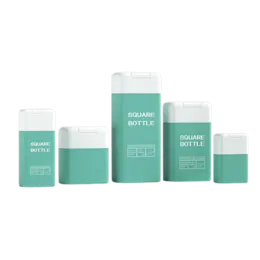
12.5oz/370ml HDPE Square Bottle with Hinged Cap

32oz / 946ml 28-410 HDPE Ribbed Neck Carafe Spray Bottle with Label Panel


7.4oz / 220ml 24-410 PET Rounded Square Bottle


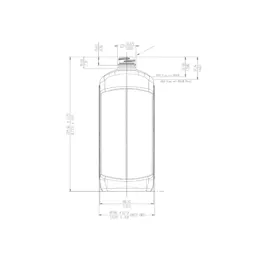
20oz / 590ml 28-400 PET Plastic Oblong Bottle


17oz /500ml 24-400 PET Round Bottle
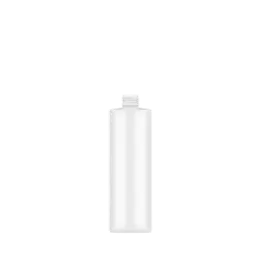
12oz /355ml 24-410 HDPE Cylinder Bottle


16.9oz/500ml 28-400 HDPE Round PCR Bottle with Flat PP Flip Top Cap
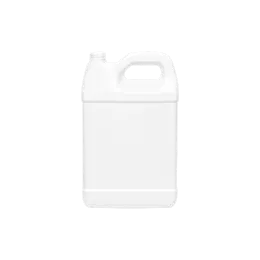
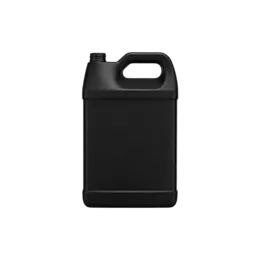
1 Gallon / 128oz 38mm F-Style Oblong HDPE Plastic Jug with Label Panel


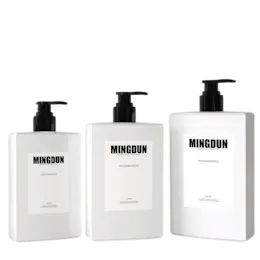
17oz/500ml Thick Wall PET Flat Square Bottle


11oz / 320ml 28-400 PET Plastic Dish Soap Bottle, 32g


25oz/750ml HDPE Rounded Square Bottle with Treatment Pump

32oz /946ml 28-410 HDPE Round Bottle

17.6oz / 520ml 32-400 PET Squat Cylinder Bottle
127.8oz /3.8L 38mm HDPE Industrial Round Jug


17oz /500ml 33-400 Cylinder PET Bottle

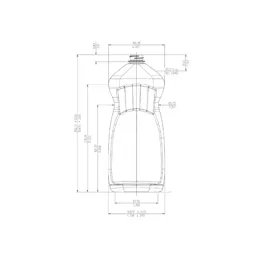
50oz / 1.5L 28-400 PET Plastic Dish Soap & Laundry Detergent Bottle


13.5oz/400ml PET Bevelled Cylinder Bottle with 24mm Neck

32oz /946ml 38-430 HDPE Bottle


11.8oz/350ml 24-410 HDPE Cosmo Round Bottle

2oz / 59ml 20-410 HDPE Cylinder Bottle

16.7oz / 493ml 28-410 PET Boston Round Bottle


17oz / 503ml 28-415 PET Plastic Domed Oval Bottle
Custom & Stock PET and HDPE Packaging for Dish Detergent
Dish soap packaging includes bottles, closures, pumps, and dispensing components for hand dishwashing liquids, concentrated dish soaps, and other manual dish care products. Common formats include PET and HDPE squeeze bottles, dispensing bottles, pump bottles, and refill containers paired with flip-top caps, disc-top caps, push-pull closures, pumps, spouts, and other controlled-dispensing systems. Package selection depends on the formula, concentration, viscosity, fill volume, dispensing method, chemical compatibility, filling process, and intended use.
Common Dish Soap Packaging:
- Dish Soap Bottles: Liquid dish soap is commonly packaged in PET and HDPE bottles across a range of capacities and shapes. Squeezable and easy-grip formats are frequently paired with dispensing closures that allow controlled application directly onto a sponge, brush, or dishware.
- Squeeze Bottles: Squeeze bottles provide direct, controlled dispensing for liquid and concentrated dish soaps. Bottle flexibility, orifice size, closure design, and formula viscosity all affect dispensing performance.
- Flip-Top & Disc-Top Closures: Flip-top and disc-top caps provide convenient dispensing while keeping the closure attached to the bottle during use. Orifice size and closure design should be matched to the viscosity and desired flow rate of the dish soap.
- Pump Bottles: Pumps can be used for dish soaps designed for countertop dispensing. Pump output, dosage, neck finish, dip tube length, and formula viscosity should be considered when pairing a pump with a bottle.
- Spouts & Dispensing Closures: Push-pull closures, directional spouts, dispensing caps, and other closure systems can provide controlled flow for different dish soap formats. The appropriate system depends on the package, formula, and intended dispensing experience.
- Refill & Concentrated Formats: Larger containers and refill packages can be used to replenish a primary dish soap bottle, while concentrated formulas may use smaller packages designed around lower dose volumes. Package size and dispensing design should reflect the concentration and intended use.
Materials for Dish Soap Bottles:
PET, HDPE, and PP are commonly used across dish soap packaging. PET is used for clear and colored bottles and provides good clarity for products where the formula is part of the package presentation. HDPE is widely used for squeeze bottles and other household product formats, while PP is common for caps, pumps, spouts, and dispensing components. Material selection should account for the complete formula, including surfactants, fragrances, solvents, concentration, pH, and storage conditions.
Closures & Dispensing Systems:
Dish soap can be paired with flip-top caps, disc-top caps, push-pull closures, pumps, spouts, threaded caps, and other dispensing systems. Closure selection should account for neck finish compatibility, formula viscosity, desired flow rate or dosage, leak resistance, filling-line requirements, and how the consumer will use the product. For squeeze bottles, the relationship between bottle flexibility, closure orifice, and product viscosity can have a significant effect on dispensing.
Choosing Dish Soap Packaging:
Consider the formula, concentration, viscosity, fill volume, bottle material, bottle geometry, neck finish, closure, dispensing method, filling equipment, storage conditions, and distribution requirements when selecting dish soap packaging. Bottles and product-contact components such as liners, gaskets, pumps, dip tubes, and closure materials should be compatibility tested with the intended formula as a complete packaging system.
Compare dish soap bottles, squeeze bottles, pumps, dispensing caps, spouts, and other closures by material, capacity, neck finish, dispensing system, minimum order quantity, and manufacturing location. Request quotes, samples, or technical documents from packaging manufacturers and suppliers. Products shown in this category may be suitable for one or more applications, but category placement does not guarantee compatibility with a specific product or filling process. Container compatibility, closure fit, seal integrity, dispensing performance, and chemical compatibility should be confirmed with the manufacturer and validated with the intended formula before production.
FAQs
What packaging is used for dish soap?
Liquid dish soap is commonly packaged in PET or HDPE bottles with flip-top caps, disc-top caps, push-pull closures, pumps, spouts, or other dispensing closures. The appropriate format depends on the formula viscosity, fill volume, desired dispensing method, and intended use.
What are dish soap bottles made from?
PET and HDPE are commonly used for dish soap bottles, while PP is frequently used for caps and dispensing components. The bottle and closure materials should be evaluated for compatibility with the complete dish soap formula.
What closures are used for dish soap bottles?
Dish soap bottles can use flip-top caps, disc-top caps, push-pull closures, dispensing spouts, pumps, and threaded caps. Closure selection depends on the bottle neck finish, product viscosity, desired flow rate, dosage, and dispensing experience.
Can dish soap be packaged in a pump bottle?
Yes. Pump bottles can be used for dish soaps designed for countertop dispensing. Pump output, formula viscosity, neck finish, dip tube length, bottle capacity, and chemical compatibility should be considered when selecting the package.
What packaging is used for concentrated dish soap?
Concentrated dish soaps may use smaller bottles or controlled-dispensing systems designed around lower amounts of product per use. Bottle size, closure orifice, pump dosage, and other dispensing characteristics should be selected for the concentration and intended dose.
Can dish soap use refill packaging?
Yes. Dish soap can be sold in larger refill containers or other refill formats designed to replenish a primary bottle or dispenser. Material compatibility, sealing, dispensing or transfer method, and transportation requirements should be considered when selecting a refill package.
What should I consider when sourcing dish soap packaging?
Consider the formula, viscosity, concentration, fill volume, bottle material, shape, neck finish, closure, dispensing method, filling equipment, chemical compatibility, minimum order quantity, and distribution requirements. The complete bottle and closure system should be tested with the intended formula before production.