


North America
Europe
Asia
Stock Colors

Soda & Carbonated Beverage Bottles
Browse PET and glass bottles for soda, soft drinks, and other carbonated beverages. Compare bottles by material, capacity, shape, neck finish, closure, minimum order quantity, and manufacturing location. Not all bottles are pressure-rated for carbonation; always confirm pressure resistance and end-use compatibility with the manufacturer before ordering.


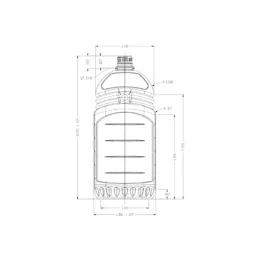
56oz / 1.66L 28-PCO PET Plastic Rectangle Grip Bottle

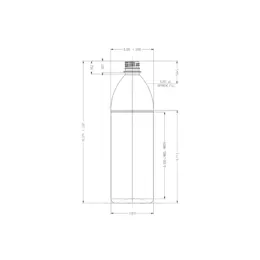
33.8oz /1L 28-PCO PET Plastic Round Bottle with Label Panel

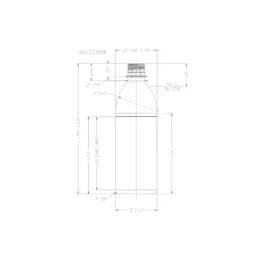
16oz / 470ml 28-PCO PET Plastic Round Beverage Bottle with Label Panel


40oz / 1.18L 28-PCO PET Plastic Rectangle Grip Bottle
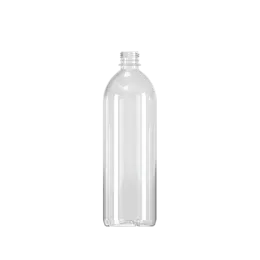

33.8oz / 1L 28-PCO PET Plastic Round Beverage Bottle

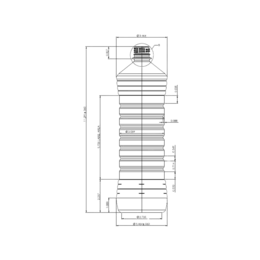
40oz / 1.18L 28-PCO PET Plastic Round Ribbed Bottle
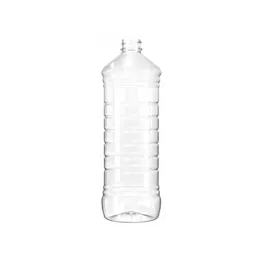

40oz / 1.18L 38-PCO PET Plastic Round Ribbed Bottle, 39g
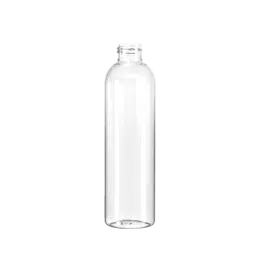

34oz / 1L 28-PCO PET Plastic Round Beverage Bottle
PET & Glass Bottles for Soda & Carbonated Drinks
Soda and carbonated beverage bottles include PET and glass bottles designed for soft drinks, sparkling beverages, mixers, and other carbonated drinks. Available formats range from smaller single-serve bottles to standard retail and larger multi-serve sizes. Unlike still-beverage packaging, bottles for carbonated drinks must be designed to manage internal pressure and retain CO₂ throughout the intended shelf life.
Common Soda & Carbonated Beverage Bottle Options:
- PET Soda Bottles: PET bottles provide a lightweight format for soda and other carbonated soft drinks. CSD-specific bottle designs account for internal pressure, gas retention, bottle geometry, and material distribution.
- Glass Soda Bottles: Glass bottles are used for soda, sparkling beverages, mixers, and other carbonated drinks. Carbonation-compatible glass bottles can be paired with crown caps, including pry-off and twist-off styles, as well as other closure systems such as ROPP depending on the bottle finish and application.
- CSD Bottles: Bottles designed for carbonated soft drinks, or CSDs, are engineered around the pressure and CO₂-retention requirements of carbonated beverages. PET CSD bottles commonly incorporate pressure-resistant base geometry and beverage-specific neck finishes.
- Single-Serve & Multi-Serve Bottles: Carbonated beverage bottles are available across individual and larger multi-serve capacities. Bottle size can affect carbonation shelf life, with smaller PET bottles generally losing CO₂ faster because they have a higher surface-area-to-volume ratio.
- Tamper-Evident Closures: PET soda bottles commonly use threaded tamper-evident beverage closures matched to the bottle neck finish. The bottle and closure function as a system to maintain pressure, seal integrity, and carbonation.
PCO Neck Finishes & Closures:
PET soda and CSD bottles are available with beverage-specific neck finishes, including PCO finishes designed for compatible carbonated-beverage closures. PCO 1881 and PCO 1810 are examples found in CSD packaging, although available finishes vary by bottle and manufacturer. Glass soda bottles use different finish and closure systems, including finishes designed for crown caps and, in some applications, ROPP closures.
Pressure Performance, Petaloid Bases & CO₂ Retention:
Carbonated beverages create internal package pressure, so CSD bottles require structural features that differ from many still-beverage bottles. PET soda bottles commonly use a petaloid base, with multiple molded feet that help the bottle withstand internal pressure and remain stable when standing. Other engineered CSD base geometries are also available. Bottle geometry, PET material distribution, base design, closure fit, and barrier performance all influence pressure resistance and CO₂ retention.
CO₂ gradually permeates through PET, making gas-barrier performance an important consideration when specifying a soda bottle. Package size also matters: smaller PET bottles typically lose carbonation faster relative to their volume than larger bottles and may therefore require different bottle specifications or shelf-life expectations. Enhanced barrier technologies can be considered where longer carbonation retention is required.
Compare soda and carbonated beverage bottles by material, capacity, shape, neck finish, closure, pressure performance, and minimum order quantity. Request quotes, samples, or technical documents from bottle manufacturers and suppliers. The complete bottle and closure system should be validated for the intended beverage, carbonation level, filling conditions, shelf life, and distribution environment before production. Products shown in this category may be suitable for one or more beverage application, but category placement does not guarantee compatibility with a specific product or filling process.
FAQs
What bottles are used for soda and carbonated beverages?
Soda and other carbonated beverages are commonly packaged in PET and glass bottles specifically designed for pressurized beverages. Carbonation resistance, CO₂ retention, bottle size, neck finish, and closure compatibility are important when selecting a package.
Can PET bottles be used for soda?
Yes. PET bottles designed for carbonated soft drinks are widely used for soda and other carbonated beverages. CSD-specific PET bottles incorporate structural and barrier requirements needed to withstand pressure and retain carbonation for the intended shelf life.
Why do PET soda bottles have a petaloid base?
Petaloid bases use multiple molded feet to create a stable, pressure-resistant base for carbonated PET bottles. The geometry helps the bottle manage internal pressure from carbonation. Other engineered CSD base designs are also available.
Do small PET soda bottles lose carbonation faster?
Generally, yes. Smaller PET bottles have a higher surface-area-to-volume ratio, so CO₂ loss through the bottle wall can have a greater effect on the beverage. Bottle design, PET thickness and distribution, barrier performance, storage temperature, and required shelf life should all be considered when specifying smaller CSD bottles.
Can glass bottles be used for carbonated beverages?
Yes. Glass bottles designed for pressurized beverages are used for soda, mixers, and other carbonated drinks. The bottle must be specified for the intended pressure and paired with a compatible closure system.
What closures are used for soda bottles?
PET soda bottles commonly use threaded tamper-evident closures matched to beverage-specific neck finishes. Glass soda bottles commonly use crown caps, including pry-off and twist-off styles, and some bottle systems use ROPP closures. Closure selection depends on the bottle finish and required pressure and seal performance.
What is a CSD bottle?
CSD stands for carbonated soft drink. A CSD bottle is designed to withstand the internal pressure created by dissolved carbon dioxide while maintaining package integrity and carbonation throughout the intended shelf life.
What neck finishes are used for PET soda bottles?
PET soda bottles can use PCO and other CSD-specific neck finishes designed for compatible beverage closures. PCO 1881 and PCO 1810 are examples used in carbonated beverage packaging. The bottle finish and closure must be correctly matched to maintain pressure and seal performance.
What should I consider when sourcing carbonated beverage bottles?
Consider bottle material, capacity, carbonation level, pressure resistance, CO₂ barrier performance, base design, neck finish, closure, filling process, shelf-life target, and minimum order quantity. Smaller PET formats may require particular attention to carbonation retention, while the complete bottle and closure system should be tested under the intended production and distribution conditions.