



North America
Europe
Asia
Stock Colors

Snack & Dry Food Packaging
Browse packaging for snacks and dry goods, including chips, popcorn, nuts, dried fruit, cereal, rice, grains, and other shelf-stable dry foods. Compare pouches, bags, jars, and containers by material, capacity, closure, minimum order quantity, and manufacturing location.


64oz / 1.9L 110-OI-02 PET Plastic Pinch Grip Square Wide-Mouth Jar with Recessed Label Panel

64oz / 1.9L 110-OI-02 PET Plastic Round Wide-Mouth Jar

64oz / 1.9L 110-OI-02 PET Plastic Round Wide-Mouth Jar with Recessed Label Panel

58oz / 1.7L 110-OI-02 PET Plastic Round Wide-Mouth Jar with Recessed Label Panel

34oz / 1L 89-400 PET Plastic Round Wide-Mouth Jar
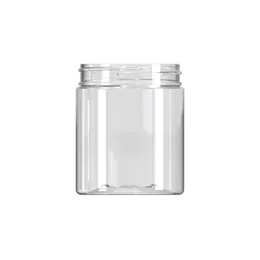
20oz / 591ml 89-400 PET Plastic Straight Sided Wide-Mouth Jar
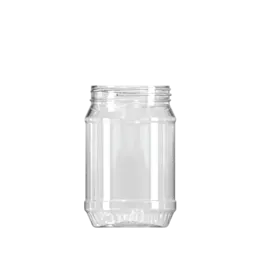
16oz / 473ml 70-400 PET Plastic Round Wide-Mouth Jar with Recessed Label Panel
Browse snack & dry food packaging, including pouches, bags & containers for chips, nuts, grains, cereal & more. Compare sizes, materials & MOQs. Fast samples.
Snack and dry food packaging includes flexible pouches, bags, jars, and rigid containers for chips, popcorn, pretzels, nuts, seeds, trail mix, dried fruit, granola, cereal, rice, grains, and other dry foods. Package selection depends on product type, fill weight, required barrier properties, portion size, filling equipment, closure, and intended shelf life.
Common Snack & Dry Food Packaging Options:
- Stand-Up Pouches: Stand-up pouches are used across snacks and dry foods, including nuts, trail mix, dried fruit, granola, grains, and other products. Options can include zippers, tear notches, and different barrier structures.
- Flat & Pillow Bags: Flexible bags provide packaging options for chips, pretzels, popcorn, snacks, grains, and other dry foods across individual and larger-format sizes.
- Side-Gusset & Flat-Bottom Bags: Gusseted formats provide additional internal volume for products such as cereal, granola, grains, nuts, and larger-format dry goods.
- Jars & Rigid Containers: PET, HDPE, PP, glass, and other rigid containers can be used for nuts, snacks, dried fruit, granola, grains, and other dry products depending on the application.
- Resealable Packaging: Zippers and compatible closures can provide reclose functionality for multi-use snack and dry food formats.
- Single-Serve & Multi-Serve Formats: Compare packaging across portion packs, individual snacks, standard retail sizes, and larger family or bulk formats.
Materials, Barriers & Closures:
Snack and dry food packaging is available in flexible films, laminated structures, PET, HDPE, PP, glass, and other packaging materials. Material and structure selection should account for the product's sensitivity to moisture, oxygen, light, and physical damage. Flexible packaging can incorporate different barrier structures and resealable features, while rigid containers can be paired with compatible closures and sealing systems.
Compare snack and dry food packaging by package type, material, capacity, barrier structure, closure, and minimum order quantity. Request quotes, samples, or technical documents from packaging manufacturers and suppliers. Package compatibility, seal performance, barrier requirements, filling conditions, and the complete packaging system should be evaluated with the intended food product before production. Products shown in this category may be suitable for one or more applications, but category placement does not guarantee compatibility with a specific product or filling process.
FAQs
What packaging is used for snacks?
Snack foods are commonly packaged in flexible pouches and bags, as well as jars and rigid containers. The appropriate format depends on the product, portion size, fill weight, barrier requirements, filling equipment, closure, and intended shelf life.
What packaging is used for rice and grains?
Rice, grains, and similar dry foods can be packaged in flexible bags and pouches or rigid containers. Package selection depends on fill weight, required moisture and oxygen protection, filling process, closure or reseal requirements, and distribution conditions.
What types of pouches are used for snacks and dry foods?
Common formats include stand-up pouches, flat pouches, pillow bags, side-gusset bags, and flat-bottom bags. Available features can include zippers, tear notches, and different barrier structures depending on the manufacturer and application.
What packaging is used for nuts and trail mix?
Nuts, seeds, and trail mix are commonly packaged in flexible pouches, bags, jars, and other rigid containers. Barrier requirements should be evaluated based on the specific product, formulation, processing conditions, and intended shelf life.
What materials are used for dry food packaging?
Dry food packaging can use flexible film structures as well as rigid materials such as PET, HDPE, PP, and glass. Material selection depends on the product, required barrier performance, package format, filling process, and intended shelf life.
What should I consider when sourcing snack packaging?
Consider product type, fill weight, package size, barrier requirements, filling equipment, sealing method, closure or reseal features, minimum order quantity, and distribution conditions. The complete package should be tested with the intended product before production.