


North America
Europe
Asia
Label
Other
Stock Colors

Recyclable Jars
Browse plastic and glass jars designed with recyclability in mind for beauty, personal care, food, and other applications. Compare packaging by material, capacity, shape, closure, minimum order quantity, and manufacturing location. Recyclability depends on the complete package and local recycling systems, and is not guaranteed for every product.


8oz /237ml 89-400 PP Straight Sided Wide Mouth Jar


0.51oz / 15ml 35-400 Miron Glass Straight Sided Cosmetic Jar


37oz / 1.1L 89-400 PET Plastic Round Apple Wide-Mouth Jar


8.9oz/263ml Clear Glass Tall Cylinder Jar with 48mm Lug Cap Finish for Pourable Foods, Sauces, & Honey


5oz/150ml HDPE Straight-Sided Jar

2oz /60ml 70-400 PP Straight Sided Jar

0.5oz / 15ml 37-400 Miron Glass Straight Sided Cosmetic Jar


32oz / 946ml 89-400 PET Plastic Pinch Grip Square Wide-Mouth Jar with Recessed Label Panel

4oz/116ml Clear Glass Hexagon Jar with 48mm Lug Cap Finish, Premium Gourmet Food Jar for Honey, Jams, & Spices


3.4oz/100ml PP Refillable Wide Mouth Cosmetic Jar with 68-400 Neck and Refillable Inner Cup

16oz /473ml 89-400 PP Straight Sided Jar
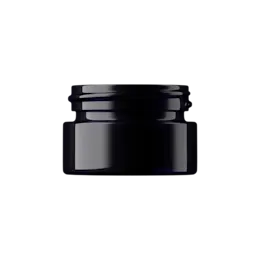
0.34oz / 10ml 34-400 Miron Glass Straight Sided Cosmetic Jar

31oz / 917ml 110-400 PET Plastic Straight Sided Wide-Mouth Jar

6oz/177ml Clear Glass Wide-Mouth Straight-Sided Jar with 70mm Deep Lug Finish for Artisanal Honey, Premium Preserves, & Gourmet Foods


16.9oz /500ml 89-400 PET Straight Sided Single Wall Jar

6oz /177ml 70-400 PP Straight Sided Jar

8.45oz / 250ml Miron Glass Round Cork Stopper Apothecary Bottle

16oz / 473ml 70-400 PET Plastic Round Wide-Mouth Jar with Recessed Label Panel

4.3oz/128ml Clear Glass Straight-Sided Food & Spice Jar for Honey, Jams, & Seasonings

12oz/350ml 89-400 PET Wide-Mouth Straight Sided Jar

4oz /118ml 89-400 PP Straight Sided Wide Mouth Jar
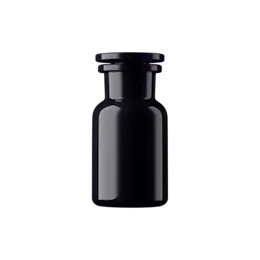
3.4oz / 100ml Miron Glass Round Apothecary Jar with Glass Stopper

15oz / 443ml 89-400 PET Plastic Straight Sided Jar


8.45oz/250ml 52-400 HDPE Tall Straight Sided Supplements Container with Cap
Jars & Containers Designed for Recyclability
Recyclable jar packaging includes plastic and glass containers that may be compatible with established recycling systems depending on their material, construction, and finished package design. Common formats include PET jars, PP jars, HDPE jars, and glass jars used for cosmetics, skincare, personal care, food, supplements, and other products. Recyclability is not determined by the base material alone. Labels, decoration, coatings, closures, product residue, and local collection and processing infrastructure can all affect whether a finished package is accepted and successfully recycled.
Recyclable Jar Packaging Options:
- PET Jars: PET jars are used across beauty, personal care, food, and other applications. Clear PET can be compatible with established PET recycling streams, but jar geometry, color, labels, adhesives, closures, and local recycling capabilities can affect recyclability.
- PP Jars: Polypropylene jars are commonly used for creams, balms, cosmetics, and other products. PP recycling access and processing capabilities vary by location, and the finished package should be evaluated for compatibility with the intended recycling system.
- HDPE Jars: HDPE jars provide a rigid plastic packaging format used across personal care, household, and other applications. Color, labels, closures, additives, and package design can affect compatibility with HDPE recycling streams.
- Glass Jars: Glass jars can be recyclable where suitable collection and processing systems exist. Glass color, decoration, coatings, closures, and local recycling requirements should be considered when evaluating the finished package.
What Makes a Jar Recyclable?
A jar's recyclability depends on more than its material identification code or resin type. The complete package must be evaluated for collection, sorting, and reprocessing compatibility. Material composition, color, size, shape, labels, adhesives, coatings, decoration, closures, and other components can affect whether a jar can move through a recycling system. A recyclable material does not automatically make the finished package recyclable.
Labels, Decoration & Closures:
Decoration and secondary components can significantly affect jar recyclability. Full-body shrink sleeves, certain pigments, metallic finishes, incompatible labels or adhesives, coatings, and mixed-material components may interfere with sorting or recycling processes. Closures and liners should also be evaluated as part of the complete package. Where possible, consider decoration and component combinations that are compatible with the intended material recovery stream.
Recyclable vs. Recycle-Ready Packaging:
Recycle-ready packaging generally refers to packaging designed with recycling compatibility in mind, but the term does not independently establish that a product is recyclable in every market. Actual recyclability depends on the finished package and the availability of appropriate collection, sorting, and processing systems. Suppliers should be asked for material specifications, design-for-recycling assessments, and supporting documentation for any recyclability claims.
Choosing Jars Designed for Recyclability:
When sourcing jars with recyclability in mind, consider the base material, color, capacity, wall construction, closure, liner, decoration method, label materials, adhesives, and intended market. Evaluate the complete package against relevant recycling design guidelines and the collection and processing systems available where the product will be sold. Material selection should also account for formula compatibility, filling conditions, product protection, and distribution requirements.
Compare PET, PP, HDPE, glass, and other jar packaging options by material, capacity, shape, closure, minimum order quantity, and manufacturing location. Request quotes, samples, technical documents, or recyclability assessments from packaging manufacturers and suppliers. Products shown in this category may be suitable for one or more applications, but category placement does not guarantee compatibility with a specific product or filling process. Inclusion in this category also does not guarantee that a finished package is recyclable. Recyclability claims should be substantiated for the complete package and intended market, including decoration, labels, closures, and applicable collection and processing infrastructure.
FAQs
What makes a jar recyclable?
A jar's recyclability depends on its material, color, size, shape, labels, decoration, closures, and compatibility with local collection and recycling systems. The complete finished package should be evaluated rather than relying on the base material alone.
Are plastic cosmetic jars recyclable?
Some plastic cosmetic jars may be recyclable depending on the resin, package design, decoration, and local recycling infrastructure. PET, HDPE, and PP jars can have different collection and processing requirements, and acceptance varies by location.
Are PET jars recyclable?
PET jars may be compatible with PET recycling systems, but recyclability depends on factors including jar geometry, color, labels, adhesives, closures, and local sorting and processing capabilities. PET resin identification alone does not guarantee that a finished jar will be recycled.
Are PP jars recyclable?
PP jars may be recyclable where appropriate collection and processing systems are available. Local recycling access, package dimensions, color, labels, closures, and other components can affect whether a finished PP jar is accepted and processed.
Are glass cosmetic jars recyclable?
Glass cosmetic jars may be recyclable where suitable glass collection and processing systems exist. Decoration, coatings, closures, product residue, and local recycling requirements can affect acceptance. Not every glass package is automatically recyclable in every market.
Do labels and decoration affect jar recyclability?
Yes. Labels, adhesives, shrink sleeves, coatings, metallic finishes, pigments, and other decoration methods can affect how jars are identified, sorted, and processed. Decoration should be evaluated alongside the base material and closure system when assessing recyclability.
What does recycle-ready packaging mean?
Recycle-ready generally describes packaging designed with recycling compatibility in mind. It does not guarantee that the package will be collected, accepted, or recycled in every location. The complete package should be evaluated against relevant design-for-recycling guidelines and local recycling capabilities.
How can I verify whether a jar is recyclable?
Request material specifications and any available recyclability assessments from the manufacturer. Evaluate the complete finished package, including labels, decoration, closures, and liners, against relevant recycling design guidelines and the collection and processing infrastructure in the intended market. Any consumer-facing recyclability claims should be appropriately substantiated.