



North America
Europe
Asia
Stock Colors

Protein Powder & Powdered Supplement Containers
Browse protein powder containers for protein, creatine, collagen, pre-workout, and other powdered supplements. Compare wide-mouth jars and canisters by material, capacity, opening size, closure, minimum order quantity, and manufacturing location.


35.3oz /1L PP Pouch


80oz / 2.37L 120-400 HDPE Straight Sided Wide-Mouth Jar with Recessed Label Panel


24oz /800ml PET Square Jar

68oz / 2L 110-400 HDPE Round Wide-Mouth Jar with Recessed Label Panel

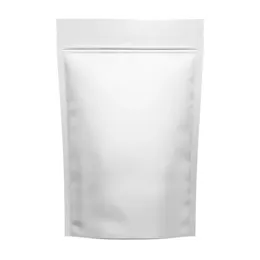
235oz /7L Mixed Material Stand-up Pouch


64oz / 1.9L 110-400 PET Plastic Pinch Grip Square Wide-Mouth Jar


33.8oz /1L 100-400 PET Straight Sided Jar

60oz / 1.8L 120-400 HDPE Straight Sided Wide-Mouth Jar with Recessed Label Panel


18oz /532ml Flat Compostable Pouch

55oz / 1.6L 110-400 PET Plastic Round Wide-Mouth Jar with Recessed Label Panel
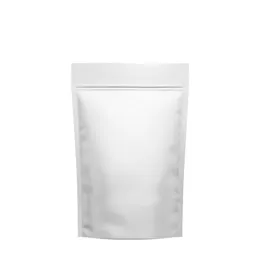
58.3oz /1.7L Mixed Material Stand-up Pouch

44oz / 1.3L 120-400 PET Plastic Straight Sided Wide-Mouth Jar with Recessed Label Panel

16oz /473ml Stand Up Pouch Made from Compostable Materials

40oz / 1.2L 100-400 HDPE Straight Sided Canister with Recessed Label Panel
22.7oz /670ml Mixed Material Stand-up Pouch

37oz / 1.1L 89-400 PET Plastic Round Apple Wide-Mouth Jar

3oz /89ml PCR PE Pouch

32oz / 946ml 89-400 PET Plastic Round Apple Wide-Mouth Jar
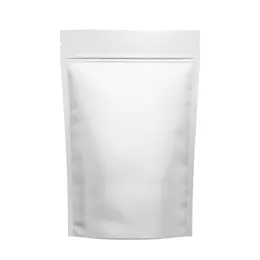
131.2oz /3.9L Mixed Material Stand-up Pouch

20oz / 591ml 89-400 PET Plastic Straight Sided Wide-Mouth Jar
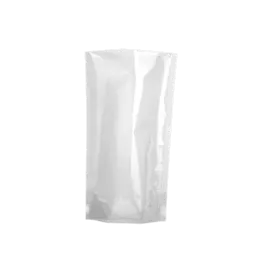
18oz /532ml PE Pouch

12oz / 355ml 89-400 PET Plastic Straight Sided Wide-Mouth Jar
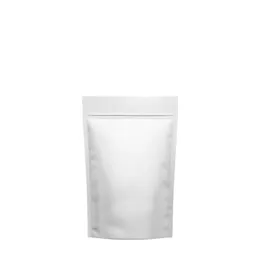
32.2oz /951ml Mixed Material Stand-up Pouch

256oz / 2 Gallon 120-400 PET Plastic Straight Sided Wide-Mouth Jar with Recessed Label Panel
Jars & Canisters for Protein, Creatine, Collagen & More
Protein powder containers include wide-mouth jars, canisters, and other rigid packaging for protein powders and powdered supplements, including creatine, collagen, pre-workout, greens, electrolytes, and nutrition powders. Packaging requirements vary based on fill weight, serving size, powder density, barrier requirements, scoop size, and filling process.
Common Protein Powder Packaging Options:
- Jars & Canisters: Wide-mouth containers provide access for measuring scoops and are available across a range of capacities for protein powders and powdered supplements.
- Materials: Compare HDPE, PET, PP, and other container materials based on the formulation, required barrier properties, filling process, and package design.
- Sizes & Capacities: Container size should account for fill weight, powder density, serving count, scoop dimensions, and required headspace.
- Openings & Neck Finishes: Wide openings can simplify filling and provide easier scoop access, while the neck finish determines compatibility with the selected closure.
- Closures & Liners: Options may include threaded closures, lined caps, induction seals, and tamper-evident systems depending on the container and application.
Compare protein powder packaging by container type, material, capacity, neck finish, closure, and minimum order quantity. Request quotes, samples, or technical documents from protein powder container manufacturers and suppliers. Barrier performance, seal integrity, closure and liner compatibility, and the complete packaging system should be evaluated with the intended powder before production. Products shown in this category may be suitable for one or more applications, but category placement does not guarantee compatibility with a specific product or filling process.
FAQs
What containers are used for protein powder?
Protein powders are commonly packaged in wide-mouth jars and canisters that provide space for the required fill quantity and access for a measuring scoop. The appropriate container depends on powder density, serving count, fill weight, scoop size, and barrier requirements.
What supplements can be packaged in protein powder containers?
Wide-mouth powder containers can be used for protein powder, creatine, collagen, pre-workout, greens powders, electrolytes, meal replacements, and other powdered supplements. Container size and packaging requirements depend on the formulation, powder density, serving size, and fill weight.
What materials are used for protein powder containers?
Protein powder jars and canisters may be made from HDPE, PET, PP, and other packaging materials. Material selection depends on the formulation, required barrier properties, container size, filling process, and intended shelf life.
How do I choose the right size protein powder container?
Container size should be based on the powder's bulk density and fill weight rather than weight alone. Serving count, scoop dimensions, and required headspace should also be considered, and the intended powder should be tested in the selected container before production.
Why are protein powder containers wide-mouth?
A wide opening can simplify filling and provide easier access for measuring scoops. The required opening diameter depends on the filling process, scoop dimensions, container capacity, and intended user experience.
What closures are used for protein powder containers?
Protein powder containers commonly use threaded closures and may incorporate liners, induction seals, or other tamper-evident features. Closure selection should account for the container neck finish, required seal performance, and intended product.
What should I consider when sourcing protein powder packaging?
Consider fill weight, powder density, container capacity, opening size, material, barrier requirements, closure and liner, scoop dimensions, filling process, and minimum order quantity. The complete packaging system should be tested with the intended formulation before production.