


North America
Europe
Asia
Label
Other
Stock Colors

Motor Oil Bottles
Browse motor oil bottles and jugs for engine oil, lubricants, and other automotive fluids. Compare HDPE containers and handled jugs by capacity, neck finish, handle design, minimum order quantity, and manufacturing location. Always confirm end-use compatibility with the manufacturer before ordering.
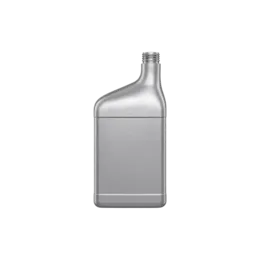
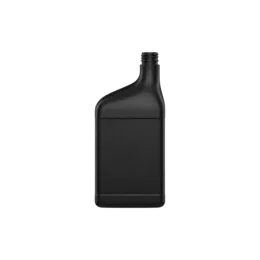
32oz / 1 Quart Oblong HDPE Motor Oil with 28mm Neck


32oz / 1 Quart Round Gear Lube & Oil HDPE Bottle with 28mm Neck

32oz / 1 Quart Oblong HDPE Motor Oil Bottle with 38mm Neck
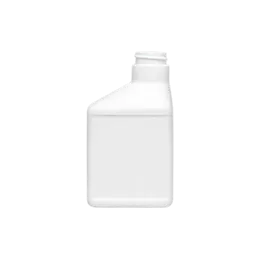
8oz / 237ml 24-400 Oblong HDPE Motor Oil Bottle

12oz / 354ml 24-400 Oblong HDPE Motor Oil Bottle


6oz / 177ml 28-400 Oblong HDPE Motor Oil Bottle
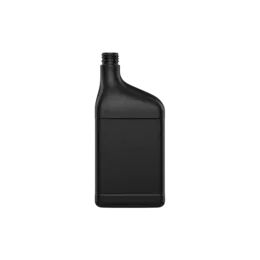
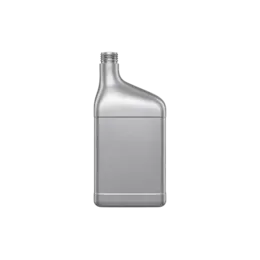
33oz / 1 Liter Oblong HDPE Motor Oil Bottle with 28mm Neck & Label Panel
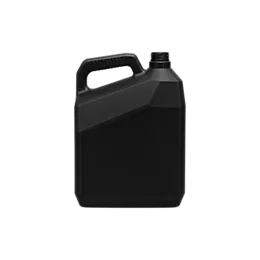
128oz / 4 Quarts Oblong HDPE Motor Oil Bottle with 38mm Neck & Slanted Handle
Motor Oil & Lubricant Bottles & Jug Packaging
Motor oil and lubricant packaging includes bottles, jugs, and larger containers for engine oil, gear oil, transmission lubricants, industrial lubricants, and other automotive and mechanical fluids. Common formats include oblong motor oil bottles, handled containers, F-style bottles and jugs, jerry cans, and round lubricant bottles. Package selection depends on the fluid, viscosity, fill volume, pouring requirements, chemical compatibility, neck finish, closure system, filling process, storage conditions, and distribution requirements.
Common Motor Oil & Lubricant Bottle Options:
- Oblong Motor Oil Bottles: Oblong HDPE bottles are a common format for motor oil and lubricants and are available from smaller additive and lubricant sizes through quart and multi-quart capacities. Panel design, grip geometry, neck finish, and closure can affect pouring, handling, labeling, and filling-line performance.
- F-Style Bottles & Jugs: F-style containers feature an integrated handle and offset neck that support carrying and controlled pouring for oils, lubricants, and other industrial fluids. They are available across a range of capacities and neck finishes. Browse the dedicated F-Style Bottles & Jugs category for the broader assortment.
- Jerry Cans: Plastic jerry cans provide a larger-capacity handled format for lubricants, oils, automotive fluids, and other industrial liquids. Handle design, closure system, venting requirements, and container compatibility should be evaluated for the intended product.
- Gear Oil & Lubricant Bottles: Gear lubricants and other higher-viscosity oils can use bottles and containers selected for controlled pouring and product flow. Neck opening, closure design, bottle squeeze characteristics, and viscosity should be considered together.
- Caps & Tamper-Evident Closures: Motor oil and lubricant bottles can use threaded caps, tamper-evident closures, liners, and other sealing systems depending on the neck finish and application. Closure fit and liner compatibility should be evaluated with the intended oil or lubricant.
Materials for Motor Oil & Lubricant Bottles:
HDPE is widely used for motor oil and lubricant bottles because it is available in a broad range of rigid bottle and jug formats and can be specified for many oil-based products. Other plastic materials may also be used depending on the application. Material selection should account for the complete formulation, including base oils, additives, solvents, viscosity modifiers, and other ingredients that may affect the container or closure system.
Pouring, Handles & Bottle Geometry:
Motor oil packaging is often designed around controlled pouring and handling. Offset necks, integrated handles, grip panels, oblong bottle profiles, and larger openings can help manage heavier fill weights and direct product flow. Bottle geometry should also be evaluated for filling-line handling, label panel dimensions, case packing, palletization, and storage.
Choosing Motor Oil & Lubricant Packaging:
Consider the oil or lubricant formulation, viscosity, fill volume, bottle material, bottle shape, handle design, neck finish, closure, liner, pouring requirements, filling equipment, storage conditions, and distribution environment when selecting packaging. The bottle and closure system should be evaluated together for chemical compatibility, sealing performance, dispensing, and long-term package integrity.
Compare motor oil bottles, lubricant bottles, F-style jugs, jerry cans, gear oil bottles, and other oil containers by material, capacity, shape, neck finish, closure, minimum order quantity, and manufacturing location. Request quotes, samples, or technical documents from bottle manufacturers and suppliers. Products shown in this category may be suitable for one or more applications, but category placement does not guarantee compatibility with a specific product or filling process. Container compatibility, closure fit, seal integrity, dispensing performance, and chemical compatibility should be confirmed with the manufacturer and validated with the intended formulation before production.
FAQs
What bottles are used for motor oil?
Motor oil is commonly packaged in HDPE oblong bottles, handled bottles, F-style jugs, jerry cans, and other rigid containers. The appropriate format depends on the fill volume, viscosity, pouring requirements, closure system, and intended distribution environment.
Why is HDPE used for motor oil bottles?
HDPE is widely used for motor oil and lubricant packaging because it can be manufactured in rigid bottle and jug formats across a broad range of capacities. The specific resin, bottle, closure, and liner should still be evaluated for compatibility with the intended oil or lubricant formulation.
Are F-style bottles used for motor oil and lubricants?
Yes. F-style bottles and jugs are commonly used for oils, lubricants, and other industrial fluids. Their integrated handle and offset neck support carrying and controlled pouring, particularly in larger-capacity formats.
What are jerry cans used for in lubricant packaging?
Plastic jerry cans are used for larger-volume oils, lubricants, automotive fluids, and industrial liquids. They typically incorporate a handle for carrying and pouring and may use different closure or venting systems depending on the container and application.
What closures are used for motor oil bottles?
Motor oil and lubricant bottles commonly use threaded caps, tamper-evident closures, liners, and other sealing systems matched to the bottle neck finish. Closure and liner materials should be evaluated for compatibility with the intended formulation and required seal performance.
What sizes do motor oil bottles come in?
Motor oil and lubricant containers range from small additive and specialty-lubricant bottles to quart, liter, multi-quart, gallon, and larger handled formats. Available capacities vary by bottle family and manufacturer.
What should I consider when sourcing lubricant bottles?
Consider the formulation, viscosity, fill volume, bottle material, geometry, handle design, neck finish, closure, liner, pouring requirements, filling equipment, chemical compatibility, minimum order quantity, storage conditions, and distribution requirements. The complete bottle and closure system should be tested with the intended formulation before production.