


North America
Europe
Asia
Stock Colors

Juice & Cold-Pressed Juice Bottles
Browse PET and glass juice bottles for cold-pressed juices, fresh juices, and juice blends. Compare bottles by material, capacity, shape, neck finish, closure, minimum order quantity, and manufacturing location. Always confirm end-use compatibility with the manufacturer before ordering.

32oz / 946ml 38-Pano PET Square Beverage Bottle


10oz / 296ml PET Plastic Round Ribbed Beverage Bottle with 38mm VAJ Neck

32oz Milkman 38mm DBJ PET Bottle
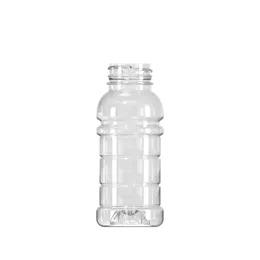

8oz / 237ml PET Plastic Round Ribbed Beverage Bottle with 38mm VAJ Finish

20oz / 591ml 38-IPEC PET Square Bottle


6oz / 180ml 28-400 PET Plastic Bottle for Single-Serve Juice, Syrups, and Creamers

18oz / 532ml 38-400 PET Round Ribbed Sauce Bottle

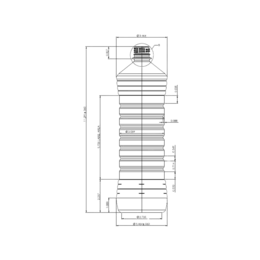
40oz / 1.18L 28-PCO PET Plastic Round Ribbed Bottle
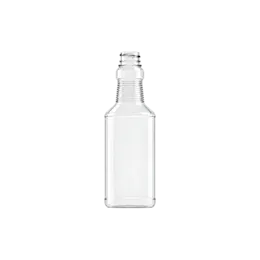
16oz / 473ml 28-400 PET Ribbed Neck Carafe Bottle with Label Panel
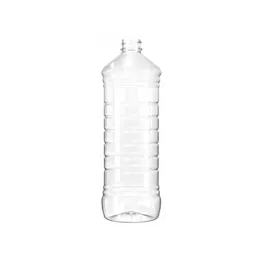

40oz / 1.18L 38-PCO PET Plastic Round Ribbed Bottle, 39g

12oz / 355ml 38-400 PET Square Juice Bottle
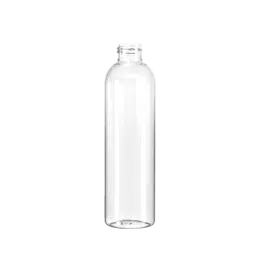

34oz / 1L 28-PCO PET Plastic Round Beverage Bottle

12oz / 355ml 38-DBJ PET Round Beverage Bottle
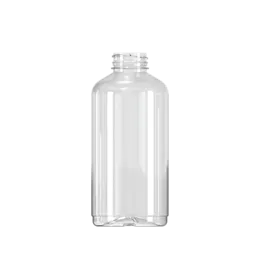

28oz / 828ml PET Plastic Round Bottle with 38mm Bericap Neck

12oz / 355ml 38-IPEC PET Boston Round Bottle
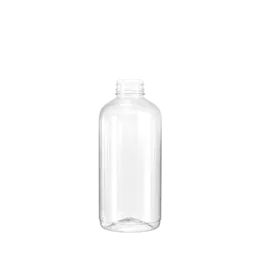

28oz / 828ml PET Plastic Round Bottle with 38mm Bericap Neck
12oz Round 38mm DBJ PET Bottle


11oz / 325ml PET Plastic Square Beverage Bottle with 38mm Portola Neck
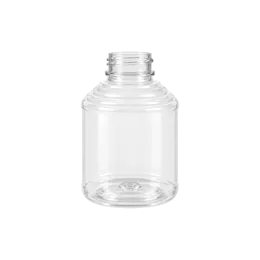
10.7oz / 316ml 38-400 PET Round SKEP Bottle


8.4oz /248ml PP Pouch

10oz Round 38mm DBJ PET Bottle

33.8oz /1L Aluminum Pouch
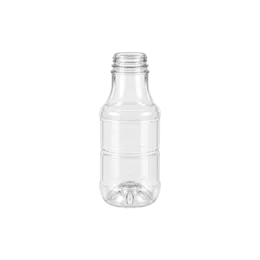
8oz / 237ml 38-400 PET Round Sauce Bottle

33.8oz /1L PP Pouch
PET & Glass Bottles for Juices & Cold-Pressed Juices
Juice bottles are available in PET, HDPE, glass, and other beverage packaging materials for cold-pressed juices, fresh juices, juice blends, and other juice products. Options range from smaller single-serve bottles to standard retail and larger multi-serve formats. Bottle selection depends on the juice formulation, fill volume, filling or processing method, including HPP where applicable, storage conditions, and required shelf life.
Common Juice Bottle Options:
- PET Juice Bottles: Clear PET bottles provide a lightweight format for cold-pressed and other juices and are available across a range of capacities, shapes, opening sizes, and neck finishes. PET is also commonly used for juices processed with in-pack high-pressure processing (HPP).
- Glass Juice Bottles: Glass bottles are used for fresh and cold-pressed juices that do not require in-pack HPP, as well as juices processed before filling. Options vary by capacity, shape, opening, neck finish, and closure system.
- HDPE Juice Bottles: HDPE provides an opaque plastic option for juice and beverage packaging and can be used in HPP-compatible packaging systems when the specific bottle and closure are validated for the process.
- Cold-Pressed Juice Bottles: Cold-pressed juice packaging includes single-serve and larger bottle formats. Packaging should be selected around the juice formulation, processing method, refrigerated storage requirements, and intended shelf life.
- Single-Serve & Multi-Serve Bottles: Juice bottles are available from smaller individual servings to larger take-home and multi-serve formats, with different opening sizes and closure systems available.
- Caps & Tamper-Evident Closures: Juice bottles can be paired with compatible threaded and tamper-evident beverage closures. Closure selection should match the bottle neck finish and intended filling or processing method.
Materials, Neck Finishes & Processing:
PET juice bottles are available with a range of beverage neck finishes, including wider 38 mm DBJ options commonly paired with tamper-evident screw closures for juice and other non-carbonated beverages. Wider openings can make pouring and drinking easier, while glass bottles are available with additional neck and closure systems. For juices treated with in-pack HPP, the bottle and closure must be able to compress under pressure and recover without losing seal integrity. Filling temperature is another important consideration: standard PET bottles are generally intended for cold or ambient filling, while hot-fill juice requires a bottle specifically designed for elevated filling temperatures, such as heat-set PET.
Compare juice and cold-pressed juice bottles by material, capacity, shape, opening size, neck finish, closure, HPP compatibility, filling method, and minimum order quantity. Request quotes, samples, or technical documents from bottle manufacturers and suppliers. The complete bottle and closure system should be validated with the intended juice, processing method, storage conditions, and distribution environment before production. Products shown in this category may be suitable for one or more beverage applications, but category placement does not guarantee compatibility with a specific product or filling process.
FAQs
What bottles are used for cold-pressed juice?
Cold-pressed juice is commonly packaged in PET and glass beverage bottles, with HDPE also available for some applications. The appropriate bottle depends on the juice formulation, fill volume, processing method, HPP requirements, refrigerated storage conditions, and intended shelf life.
What bottles can be used for HPP juice?
Juices processed with in-pack high-pressure processing require packaging that can withstand compression and recover its shape after pressure is released. PET and other suitable plastic packaging formats are commonly used for in-pack HPP. The bottle, cap, seal, headspace, and complete packaging system should be validated for the specific HPP process.
Can PET bottles be used for cold-pressed juice?
Yes. PET is commonly used for cold-pressed juice and is also well suited to many in-pack HPP applications. The specific bottle and closure should be evaluated for the intended filling process, HPP cycle if applicable, storage conditions, and required shelf life.
Are glass bottles used for cold-pressed juice?
Yes. Glass bottles are used for fresh and cold-pressed juices when the processing method is compatible with glass. Traditional in-pack HPP typically requires flexible plastic packaging rather than glass because the package must compress and recover under pressure. Glass can still be used when HPP is performed in bulk before the juice is bottled.
What neck finishes are used for juice bottles?
Juice bottles are available with a range of beverage neck finishes. Wider 38 mm finishes, including 38 mm DBJ, are used on many PET juice bottles and pair with compatible tamper-evident beverage closures. Other neck sizes may be appropriate depending on the bottle design, product, closure, and filling process.
What is a 38 mm DBJ neck finish?
A 38 mm DBJ neck finish is a wide beverage finish used on PET bottles for juice, dairy, and other non-carbonated beverages. It pairs with compatible screw closures, including tamper-evident options, and provides a relatively wide opening for drinking and pouring.
Can PET juice bottles be hot-filled?
Some PET juice bottles are designed for hot-fill processing, but standard PET beverage bottles should not be assumed to be hot-fill compatible. Hot-fill applications require bottles specifically engineered for the intended filling temperature, such as heat-set PET bottles. Confirm the bottle's temperature rating and closure compatibility with the manufacturer before production.
What should I consider when sourcing juice bottles?
Consider the juice formulation, bottle material, capacity, opening size, neck finish, closure, filling method, HPP compatibility where applicable, storage requirements, minimum order quantity, and intended shelf life. Hot-fill, HPP, and other specialized processing methods each place different requirements on the bottle and closure system.