


North America
Europe
Asia
Stock Colors
Household & Home Care Packaging
Browse packaging for household and home care products, including cleaners, laundry care, dish care, air care, and other household products. Compare bottles, containers, dispensing closures, trigger spray pumps, and other packaging by material, capacity, shape, neck finish, minimum order quantity, and manufacturing location. Always confirm end-use compatibility with the manufacturer before ordering.


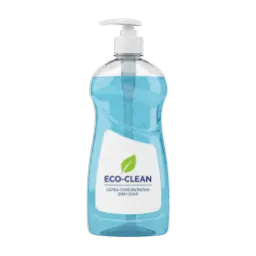


34oz / 1L 28-400 PET Plastic Pistol Grip Trigger Spray Bottle

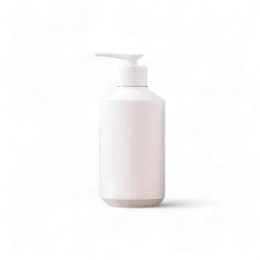
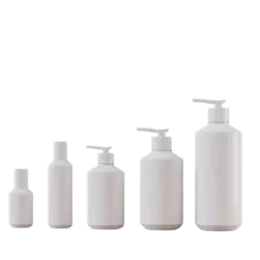
17oz/500ml PET Bevel Bottle with 24mm Neck


12oz /355ml 28-400 HDPE Cylinder Bottle


Smooth 24-400 Round PP Flip Top Cap

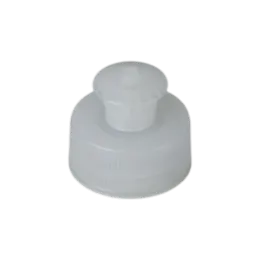
Push-Pull 28-SP100 PP Push Pull Cap

405.8oz /12L 63-400 HDPE F-Style Jug with Recessed Label Panel


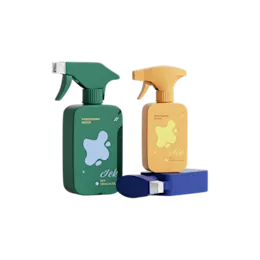
16.9oz/500ml 28-400 PE Flat Rectangular Bottle with PP Trigger Sprayer


128oz / 1 Gallon 120-M120 PET Plastic Pinch Grip Square Wide-Mouth Jar with Recessed Label Panel


10.8oz / 320ml PET Cylinder Spray Bottle with Fine Mist Sprayer & Clear Overcap


0.3oz /9ml PE Stick Pack


24-410 Smooth PP Mini Trigger Sprayer, 0.4cc Dosage

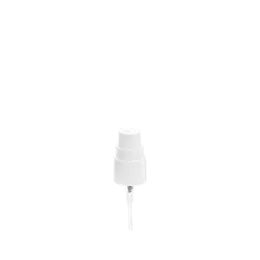
Smooth 18-415 PP Sprayer


Smooth 43-410 Food Grade PP Dispensing Pump for High Viscosity Liquids 10cc Output


17oz / 503ml 28-415 PET Plastic Domed Oval Bottle


17oz/500ml PET Boston Round Bottle with 24mm Neck

12oz /355ml 38-400 HDPE Cylinder Bottle


16.9oz /500ml 32-400 PET Cylinder Bottle with Quilted Diamond Pattern

Ribbed 38-400 Straight Sided Flat Child Resistant Threaded Closure
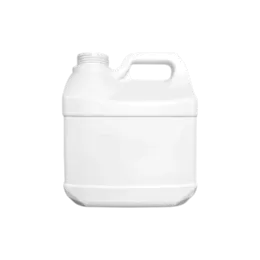
6L 63-400 HDPE F-Style Jug with Recessed Label Panel

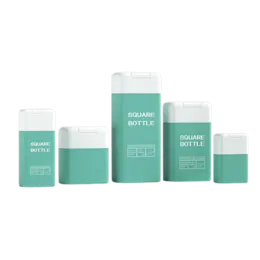
12.5oz/370ml HDPE Square Bottle with Hinged Cap


25oz /739ml PE Pouch

10.75oz / 318ml PET Plastic Erlenmeyer Flask Bottle with Baffled Bottom, Graduated Markings & Ribbed Screw Cap

Ribbed 24-410 PP Sprayer


28-410 Ribbed PP Lotion Pump with Textured Grip Head, 4cc Dosage
Bottles, Containers, Trigger Sprayers & Closures for Home Care Products
Household and home care packaging includes bottles, containers, and dispensing systems for products ranging from surface cleaners and laundry care to dish care, air care, and other household products. Common formats include trigger spray bottles, handled bottles and jugs, squeeze bottles, dosing bottles, refill containers, and other rigid packaging. Package selection depends on the formula, viscosity, fill volume, dispensing method, chemical compatibility, filling process, storage conditions, and distribution requirements.
Common Household & Home Care Packaging:
- Household Cleaners: Trigger spray bottles, squeeze bottles, dosing bottles, and other dispensing formats are used for all-purpose cleaners, surface cleaners, glass cleaners, bathroom cleaners, disinfecting products, and other household cleaning formulas.
- Laundry Care: Laundry detergent, fabric softener, stain treatment, and other laundry products are packaged in bottles, handled jugs, dosing containers, and dispensing systems.
- Dish Care: Dish soap and other dish care products commonly use squeeze bottles, dispensing bottles, and closures designed to control product flow across different viscosities.
- Trigger Spray Bottles: Common for household cleaners that require targeted spray application. Bottle and sprayer specifications should be matched for neck finish, dip tube length, output, spray pattern, and formula compatibility.
- Handled Bottles & Jugs: Larger household products such as laundry detergent and concentrated cleaners commonly use handled formats for pouring and handling.
- Squeeze & Dispensing Bottles: Squeeze bottles can be paired with flip-top, disc-top, push-pull, spout, and other dispensing closures depending on the formula and dispensing method.
- Refill Packaging: Larger refill bottles and containers can be used to replenish a primary package, with material, closure, dispensing, and transportation requirements matched to the intended refill system.
Materials for Home Care Packaging:
HDPE, PET, and PP are commonly used across household and home care packaging. HDPE is frequently used for cleaners, laundry products, and larger handled bottles and jugs, while PET provides clarity and is used across many household bottle formats. PP is commonly used for closures, dispensing components, and certain containers. Products shown in this category may be suitable for one or more home care applications, but category placement does not guarantee compatibility with a specific product or filling process. Material selection should account for the complete formula, concentration, solvents, surfactants, fragrances, pH, storage conditions, and intended shelf life rather than product category alone.
Closures & Dispensing Systems:
Home care packaging can use trigger sprayers, pumps, flip-top caps, disc-top caps, spouts, push-pull closures, threaded caps, and other dispensing systems. The appropriate closure depends on how the product is used, the required output or flow rate, formula viscosity, neck finish, sealing requirements, and chemical compatibility. Trigger sprayers and pumps should also be evaluated for dip tube length, dosage or output, spray pattern, and compatibility with the intended formula.
Choosing Packaging for Household Products:
Consider the formula, concentration, viscosity, fill volume, packaging material, bottle shape, neck finish, closure, dispensing method, filling equipment, storage conditions, and distribution environment when selecting household packaging. Chemical compatibility is particularly important for cleaners and other formulas containing solvents, surfactants, fragrances, acids, bases, or other active ingredients. The complete container and closure system should be tested with the intended formula before production.
Compare household and home care packaging by product type, material, capacity, shape, neck finish, closure, minimum order quantity, and manufacturing location. Request quotes, samples, or technical documents from packaging manufacturers and suppliers. Container compatibility, closure fit, seal integrity, dispensing performance, and chemical compatibility should be validated with the intended formula before production.
FAQs
What packaging is used for household and home care products?
Household and home care products use a wide range of packaging, including trigger spray bottles, squeeze bottles, handled bottles and jugs, dosing bottles, refill containers, pumps, sprayers, and dispensing closures. The appropriate package depends on the formula, fill volume, dispensing method, chemical compatibility, and intended use.
What materials are used for household cleaning product packaging?
HDPE, PET, and PP are commonly used for household and home care packaging. HDPE is widely used for cleaning products and larger bottles and jugs, PET is used where clarity or a different bottle profile is desired, and PP is commonly used for closures and dispensing components. Material compatibility should be tested with the intended formula.
What bottles are used for household cleaners?
Household cleaners commonly use trigger spray bottles, squeeze bottles, dosing bottles, and other dispensing formats. Bottle material, capacity, neck finish, closure, and dispensing system should be selected based on the cleaner formulation and how the product will be applied.
What closures are used for home care packaging?
Common home care closures include trigger sprayers, pumps, flip-top caps, disc-top caps, spouts, push-pull closures, and threaded caps. Closure selection depends on the bottle neck finish, formula viscosity, desired dispensing method, required output, sealing requirements, and chemical compatibility.
What is the best plastic for household cleaning bottles?
There is no single plastic that is best for every household cleaner. HDPE, PET, and PP are used across home care applications, but compatibility depends on the complete formulation, including solvents, surfactants, fragrances, pH, concentration, and storage conditions. Packaging should be compatibility tested with the intended formula before production.
What should I consider when sourcing home care packaging?
Consider the formula, fill volume, material, bottle shape, neck finish, closure, dispensing method, filling equipment, chemical compatibility, storage conditions, minimum order quantity, and distribution requirements. The container, closure, liner, gasket, dip tube, and other product-contact components should be evaluated as a complete packaging system.