



North America
Europe
Asia
Stock Colors

Cooking Oil Packaging
Browse cooking oil packaging for olive oil, avocado oil, vegetable oil, and other edible oils, including glass and plastic bottles, jugs, and dispensing closures. Compare packaging by material, capacity, shape, neck finish, closure, minimum order quantity, and manufacturing location. Always confirm end-use compatibility with the manufacturer before ordering.

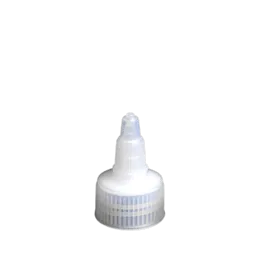
24-410 Ribbed PP Twist Open Nozzle Cap for Sauce, Dressing, & Oils


64oz / 1.89L 38-400 PET Plastic Pinched Waist Ribbed Round Bottle


16.9oz / 500ml Miron Glass Boston Round Bottle with 28mm Pilfer-Proof Finish


28oz / 830ml 28-400 PET Plastic Round Ribbed Bottle


3.4oz / 100ml Light-Protective Miron Glass Round Oil Bottle, CPR47
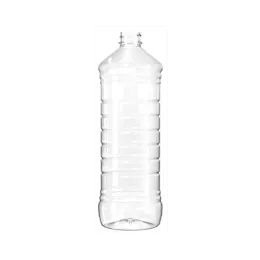

48oz / 1.4L 28-400 PET Plastic Round Ribbed Bottle


16.9oz / 500ml Light-Protective Miron Glass Round Oil Bottle, CPR47

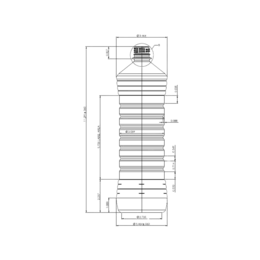
40oz / 1.18L 28-PCO PET Plastic Round Ribbed Bottle


34oz / 1L Miron Glass Boston Round Bottle with 28mm Pilfer-Proof Finish


32oz / 950ml 28-400 PET Plastic Round Ribbed Bottle
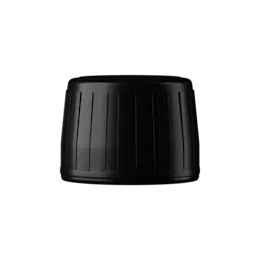
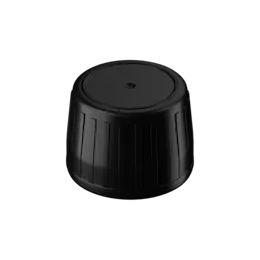
28mm Tamper-Evident Ribbed Black PEHD Pourer Cap with Black Pourer
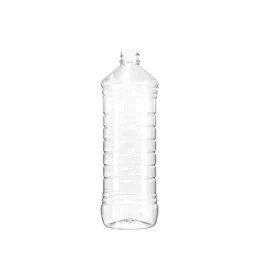

30oz / 890ml 28-400 PET Plastic Round Ribbed Bottle

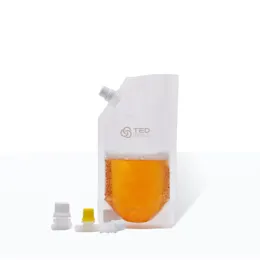
8.5oz /250ml PE Pouch


24oz / 710ml 38-400 PET Plastic Multi-Purpose Ribbed Body Bottle
Bottles, Jugs & Closures for Olive Oil & Cooking Oils
Cooking oil packaging includes bottles, jugs, and dispensing closures for olive oil, avocado oil, vegetable oil, seed oils, infused oils, and other edible oils. Common formats range from glass olive oil bottles and PET cooking oil bottles to larger plastic jugs and containers. Package selection depends on fill volume, filling process, product protection, dispensing method, and intended retail or foodservice use.
Common Cooking Oil Packaging Options:
- Glass Oil Bottles: Glass bottles are commonly used for olive oil, infused oils, and specialty cooking oils and are available in clear, colored, and specialty bottle shapes.
- PET Cooking Oil Bottles: PET provides a lightweight rigid format for edible oils and is available across a range of capacities, shapes, handles, and neck finishes.
- Oil Jugs & Larger Containers: Larger-capacity bottles and handled jugs can be used for cooking oils sold in bulk, foodservice, or high-volume retail formats.
- Round & Square Bottles: Cooking oil bottles are available in round, square, rectangular, and specialty profiles depending on capacity, filling requirements, and package design.
- Pouring & Dispensing Closures: Threaded caps, pour spouts, dispensing closures, and flow-control components can help control pouring and reduce excess product flow.
- Neck Finishes & Liners: Neck finish determines closure compatibility, while liners, seals, and tamper-evident components may be incorporated based on the package and application.
Materials, Barrier & Dispensing:
Compare cooking oil containers in glass, PET, HDPE, and other packaging materials. Material and package selection should account for the intended oil, required protection from light and oxygen, filling conditions, container size, and shelf-life requirements. Opening size, neck finish, and closure design also influence pouring speed and dispensing performance.
Compare cooking oil packaging by pack type, material, capacity, shape, neck finish, closure, and minimum order quantity. Request quotes, samples, or technical documents from cooking oil packaging manufacturers and suppliers. Container compatibility, barrier performance, closure fit, seal integrity, and filling conditions should be evaluated with the intended oil before production. Products shown in this category may be suitable for one or more applications, but category placement does not guarantee compatibility with a specific product or filling process.
FAQs
What packaging is used for cooking oil?
Cooking oils can be packaged in glass bottles, PET bottles, plastic jugs, and other rigid containers. The appropriate format depends on the type of oil, fill volume, required product protection, dispensing method, filling process, and intended retail or foodservice application.
What bottles are used for olive oil?
Olive oil is commonly packaged in glass bottles, including clear and colored glass formats, as well as plastic bottles for some applications. Bottle material, light and oxygen protection, capacity, closure, and dispensing requirements should be considered when selecting the package.
What packaging is used for avocado oil?
Avocado oil can be packaged in glass or plastic bottles in a range of capacities and shapes. The selected package should provide the required barrier performance and be compatible with the filling process, closure, and intended shelf life.
Are PET bottles used for cooking oil?
Yes. PET bottles are used for a range of edible and cooking oils and are available in multiple capacities, shapes, and neck finishes. The complete bottle and closure system should be evaluated with the intended oil and filling conditions before production.
What closures are used for cooking oil bottles?
Cooking oil bottles may use threaded caps, pour spouts, dispensing closures, flow-control components, and tamper-evident systems. Closure selection depends on the bottle neck finish, opening size, desired flow rate, seal requirements, and intended dispensing experience.
Does cooking oil packaging need protection from light and oxygen?
Some edible oils can be affected by exposure to light and oxygen, so barrier requirements should be considered when selecting the container, material, color, closure, and sealing system. Requirements vary by oil formulation and intended shelf life.