


North America
Europe
Asia
Label
Other
Stock Colors

Car Wax & Polish Bottles
Browse HDPE bottles for car wax, polish, compounds, dressings, and other automotive detailing products. Compare car wax and polish bottles by capacity, shape, neck finish, closure compatibility, minimum order quantity, and manufacturing location.


53oz / 1.6L 38-400 PET Plastic Stepped Oval Pour Bottle


10oz /300ml 24-400 Clear PET Cylinder Bottle
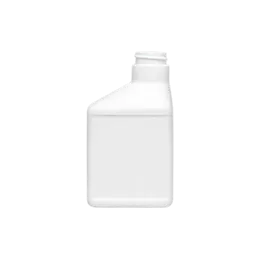
8oz / 237ml 24-400 Oblong HDPE Motor Oil Bottle


11.8oz /349ml 24-400 Cosmo Round PET Bottle

1.89L / 64oz 38mm F-Style Oblong HDPE Plastic Jug with Label Panel


17oz /500ml 24-400 Cylinder PET Bottle


1L / 32oz 33mm F-Style Oblong HDPE Plastic Jug with Label Panel


11.8oz /350ml 24-400 Boston Round PET Bottle

12oz / 354ml 24-400 Oblong HDPE Motor Oil Bottle


16.9oz /500ml 32-400 PET Cylinder Bottle with Quilted Diamond Pattern


6oz / 177ml 28-400 Oblong HDPE Motor Oil Bottle


10oz /300ml 24-400 Boston Round PET Bottle


16.9oz /500ml 28-400 Square PET Bottle

17oz /500ml 28-400 Cosmo Round PET Bottle


16.9oz /500ml 33-400 PET Cylinder Bottle


17oz /500ml 28-400 Boston Round PET Bottle


17oz /500ml 33-400 Cylinder PET Bottle


12.9oz /381ml 32-400 Square Oblong PET Bottle


17oz /500ml 24-400 PET Round Bottle


10oz /300ml 24-400 Slim Cylinder PET Bottle


12.5oz /370ml 28-400 Teardrop PET Bottle


10oz /300ml 24-400 PET Cylinder Bottle


10oz /300ml 33-400 PET Round Sauce & Condiments Bottle


16.9oz /500ml 32-400 PET Cylinder Bottle with Geometric Faceted Pattern and Label Panel
Bottles for Car Wax, Polish & Detailing Products
Car wax and polish bottles are used for liquid waxes, automotive polishes, rubbing compounds, dressings, glazes, and other detailing products. Available formats include small HDPE oblong bottles and other dispensing bottle styles selected around the formula, viscosity, fill volume, application method, and closure system. Package selection should account for chemical compatibility, filling requirements, storage conditions, and intended use.
Common Car Wax & Polish Bottle Options:
- Car Wax Bottles: Liquid automotive waxes can use HDPE bottles paired with dispensing closures selected for the formula viscosity and application method. Bottle capacity, neck finish, closure, and orifice size should be considered together.
- Car Polish Bottles: Automotive polishes can use squeeze and dispensing bottles that allow controlled application onto a pad, cloth, or vehicle surface. Bottle flexibility and closure design can affect dispensing performance.
- Compound & Detailing Bottles: Rubbing compounds, polishing compounds, glazes, dressings, and other detailing products may require different bottle and closure configurations depending on viscosity and how the product is applied.
- Caps & Dispensing Closures: Threaded caps, flip-top caps, disc-top caps, and other dispensing closures can be paired with compatible bottle neck finishes. Orifice size and closure design are particularly important for controlling flow with higher-viscosity waxes, polishes, and compounds.
HDPE Bottles for Automotive Detailing:
HDPE is commonly used for automotive care bottles because it is lightweight, impact-resistant, and available across a range of bottle shapes and neck finishes. Material selection should account for the complete formulation, including solvents, oils, silicones, surfactants, fragrances, abrasives, and other ingredients that may interact with the bottle or closure system.
Viscosity & Dispensing:
Formula viscosity is an important consideration when selecting a car wax or polish bottle. Lower-viscosity liquids may work with smaller dispensing openings, while thicker polishes and compounds may require larger orifices or closures designed for easier product flow. Bottle flexibility, closure design, and intended application method should be evaluated together.
Choosing Car Wax & Polish Bottles:
Consider the formulation, viscosity, fill volume, bottle material, bottle geometry, neck finish, closure, dispensing method, filling equipment, storage conditions, and distribution requirements when selecting automotive detailing bottles. Bottles, caps, liners, gaskets, and other product-contact components should be compatibility tested with the intended formula as a complete packaging system.
Compare car wax bottles, car polish bottles, compound bottles, and automotive detailing bottles by capacity, neck finish, closure compatibility, minimum order quantity, and manufacturing location. Request quotes, samples, or technical documents from bottle manufacturers and suppliers. Products shown in this category may be suitable for one or more applications, but category placement does not guarantee compatibility with a specific product or filling process. Container compatibility, closure fit, seal integrity, dispensing performance, and chemical compatibility should be confirmed with the manufacturer and validated with the intended formula before production.
FAQs
What bottles are used for car wax and polish?
Liquid car waxes, automotive polishes, compounds, dressings, and detailing products can use HDPE squeeze and dispensing bottles. The appropriate bottle depends on the formula viscosity, fill volume, neck finish, closure, and intended application method.
Why is HDPE used for car wax and polish bottles?
HDPE provides a lightweight and impact-resistant rigid bottle format and is available in a range of capacities, shapes, and neck finishes. Compatibility should still be evaluated with the complete automotive care formulation before production.
What closures are used for car polish bottles?
Car polish bottles can use threaded caps, flip-top caps, disc-top caps, and other dispensing closures depending on the bottle neck finish, formula viscosity, and desired flow rate. Closure orifice size can have a significant effect on dispensing performance.
What bottles are used for rubbing and polishing compounds?
Rubbing and polishing compounds can use dispensing bottles selected around the thickness of the product and how it will be applied. Higher-viscosity compounds may require wider openings or closures that allow easier product flow.
Can the same bottle be used for different car care products?
Not necessarily. Automotive waxes, polishes, compounds, and dressings can differ substantially in viscosity and chemical composition. The bottle and all product-contact closure components should be evaluated with the specific intended formula.
What should I consider when sourcing car wax and polish bottles?
Consider the formulation, viscosity, fill volume, bottle capacity, shape, neck finish, closure, dispensing method, chemical compatibility, minimum order quantity, storage conditions, and distribution requirements. The complete bottle and closure system should be tested with the intended product before production.