


North America
Europe
Asia
Label
Other
Stock Colors

ABS Plastic Jars
Browse ABS plastic jars for cosmetics, skincare, creams, balms, and other personal care products. Compare single-wall and double-wall cosmetic jars by capacity, shape, finish, inner jar material, closure, minimum order quantity, and manufacturing location.


10g ABS Straight Sided Loose Powder Low Profile Sifter Jar with Flush PP Threaded Closure


2oz / 60ml ABS Double-Wall Duck Novelty Cream Jar with Duck-Shaped Threaded Closure


0.81oz / 24ml ABS Squircle Eye Cream Jar


1.7oz / 50ml ABS Round Cream Jar with Flush Domed Cap


0.11oz / 3.4ml Thick-Wall ABS Round Cosmetic Jar with Flush Cap


2oz / 60ml ABS Double-Wall Round Cream Jar with Flush Screw Cap & PP Sealing Disc


2x5g ABS Square Dual-Chamber Loose Powder Sifter Jar


15g ABS Straight Sided Loose Powder Sifter Jar with PP Sifter Insert & Flush PP Threaded Cap


2oz / 60ml ABS Double-Wall Snowman Novelty Cream Jar


10g ABS Straight Sided Loose Powder Jar with Sifter, Hinged Cap & Mirror

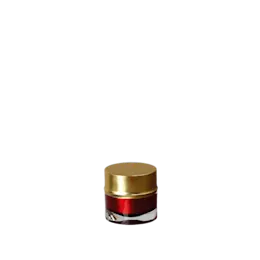
0.2oz /5ml ABS Round Jar


10g ABS Straight Sided Loose Powder Sifter Jar with Velour Puff Applicator & Mirror Cap
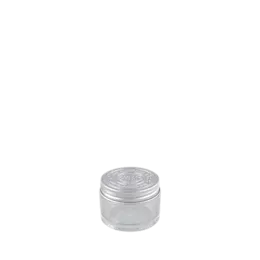
1.7oz /50ml ABS Round Jar


4g Round ABS Loose Powder Sifter Jar

1oz /30ml ABS Square Jar


10g ABS Straight Sided Loose Powder Sifter Jar

1.7oz /50ml ABS Square Jar
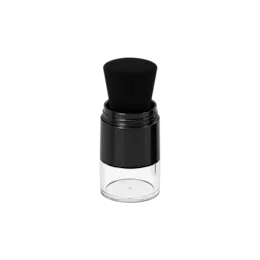

27g ABS Straight Sided Loose Powder Jar with Brush Applicator

0.5oz /15ml ABS Round Jar


10g ABS Straight Sided Loose Powder Jar with Mesh Screen Sifter

0.5oz /15ml ABS Round Jar


5g ABS Straight Sided Blush Sifter Jar with Flip-Mirror Compact Lid
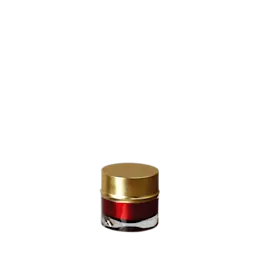
1.7oz /50ml ABS Round Jar
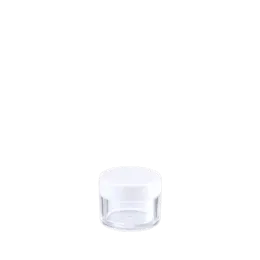
1.7oz /50ml ABS Round Jar
ABS Cosmetic Jars for Creams & Skincare
ABS plastic jars are used in cosmetic and skincare packaging, particularly for cream jars, moisturizers, balms, and other personal care products. Acrylonitrile butadiene styrene (ABS) is a rigid thermoplastic that can be molded into different shapes and decorative finishes. ABS may be used for the jar body, outer shell, or closure, while some double-wall designs incorporate a separate inner jar made from PP or another material. Package selection depends on the formula, capacity, construction, material configuration, closure, decoration requirements, and filling process.
ABS Plastic Jar Options:
- ABS Cosmetic Jars: ABS jars are used for skincare creams, moisturizers, balms, and other cosmetic products. Available designs vary by capacity, shape, wall construction, finish, and closure configuration.
- Double-Wall ABS Jars: Double-wall jars can feature an ABS outer shell with a separate inner container, commonly made from PP or another compatible plastic. This construction allows manufacturers to combine a rigid exterior with an inner jar selected around product-contact and filling requirements.
- Single-Wall ABS Jars: Single-wall ABS jars use a simpler body construction without a separate decorative outer shell. Available configurations depend on the manufacturer, and direct product contact with ABS should be evaluated for the intended formula.
- Round & Square ABS Jars: ABS cosmetic jars are available in different shapes, including round, cylindrical, and square designs. Jar geometry affects decoration options, filling-line handling, closure selection, and package dimensions.
- ABS Jar Caps & Closures: Cosmetic jars may incorporate ABS caps, threaded closures, inner lids, sealing discs, liners, or other components. The closure system should be evaluated for fit, sealing performance, formula compatibility, and intended use.
ABS vs. PP Cosmetic Jars:
ABS and PP are both used in cosmetic packaging, but they offer different material characteristics. ABS is commonly selected for rigid molded components and decorative outer shells, while PP is frequently used for inner jars and product-contact components. Some cosmetic jars combine an ABS exterior with a PP interior. Material selection should account for the complete formula, filling temperature, chemical compatibility, and package construction.
Decoration & Finishes for ABS Jars:
ABS cosmetic jars can support a range of decorative treatments depending on the manufacturer and package design, including custom colors, matte and gloss finishes, metallization, coating, printing, and other surface treatments. Decoration options should be confirmed with the supplier, including minimum order quantities and any additional production requirements. Coatings and decorative layers may also affect the recyclability of the finished package.
Choosing an ABS Plastic Jar:
Consider the formula, target fill volume, nominal capacity, jar dimensions, single-wall or double-wall construction, inner jar material, closure system, decoration requirements, filling temperature, and production equipment when selecting ABS cosmetic jars. For double-wall packaging, confirm the material of each component rather than assuming the complete jar is manufactured from ABS. Product-contact materials should be tested with the intended formula before production.
Compare ABS plastic jars by capacity, shape, wall construction, inner jar material, closure, finish, minimum order quantity, and manufacturing location. Request quotes, samples, or technical documents from cosmetic jar manufacturers and suppliers. Products shown in this category may be suitable for one or more applications, but category placement does not guarantee compatibility with a specific product or filling process. Material compatibility, filling performance, closure fit, seal integrity, and package construction should be confirmed with the manufacturer and validated with the intended formula before production.
FAQs
What is an ABS plastic jar?
An ABS plastic jar is a container that incorporates acrylonitrile butadiene styrene in its construction. ABS may be used for the jar body, outer shell, or cap, while other materials such as PP may be used for the inner jar or product-contact components.
What are ABS cosmetic jars used for?
ABS cosmetic jars are used for creams, moisturizers, balms, skincare products, and other personal care formulations. Suitability depends on the jar construction, product-contact materials, closure, filling process, and compatibility with the intended formula.
What is a double-wall ABS jar?
A double-wall ABS jar typically uses an outer shell made from ABS and a separate inner container made from PP or another material. The construction can provide a rigid decorative exterior while allowing the inner jar material to be selected for product-contact requirements.
What is the difference between ABS and PP cosmetic jars?
ABS is commonly used for rigid cosmetic packaging components and decorative outer shells, while PP is frequently used for inner jars and product-contact components. Some double-wall cosmetic jars combine both materials. The appropriate construction depends on the formula, filling process, appearance, and performance requirements.
Can ABS jars be customized?
ABS cosmetic jars may support custom colors, matte or gloss finishes, printing, metallization, and other decorative treatments depending on the supplier. Available decoration methods, order quantities, and production requirements vary by manufacturer.
Are ABS plastic jars recyclable?
Recyclability depends on the complete jar construction and local recycling infrastructure. ABS is not commonly accepted in many residential recycling programs, and mixed-material construction, coatings, metallization, labels, and closures can create additional challenges. Confirm recyclability claims for the finished package and intended market rather than relying on the ABS material designation alone.
Are ABS jars suitable for direct contact with cosmetic formulas?
Suitability depends on the ABS grade, formula, filling conditions, and applicable product-contact requirements. Some ABS cosmetic jars use a separate PP or other plastic inner container. Confirm the actual product-contact material with the manufacturer and conduct compatibility testing before production.
What should I consider when sourcing ABS cosmetic jars?
Consider the target fill volume, capacity, shape, wall construction, inner jar material, closure, decoration requirements, filling temperature, chemical compatibility, minimum order quantity, and manufacturing location. Review component specifications and test the complete packaging system with the intended formula before production.