

North America
Europe
Asia

PET Preforms
Browse PET preforms for blow molding bottles and containers across beverage, food, personal care, household, and other applications. Compare preforms by weight, neck finish, color, application, minimum order quantity, and manufacturing location.


33-KERR Bottle Preform, PET, 58.2 g, Liquor
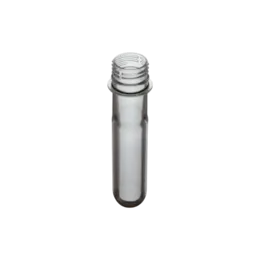
28-PCO 1810 Bottle Preform, PET, 47 g, Liquid, Juice, Syrup, Carbonated Beverage

33-KERR Bottle Preform, PET, 92.2 g, Liquor
PET Bottle Preforms for Blow Molding
PET preforms are injection-molded components that are reheated and stretch blow molded into finished PET bottles and containers. Preform specifications influence the finished package, including its neck finish, material distribution, bottle weight, dimensions, and performance. When sourcing PET bottle preforms, consider the intended bottle design, preform weight, neck finish, resin requirements, blow molding equipment, production process, and end-use application.
PET Preform Specifications:
- Preform Weight: PET preforms are available across a range of gram weights. The appropriate weight depends on the intended bottle geometry, capacity, performance requirements, and blow molding process. Preforms with the same neck finish are not necessarily interchangeable.
- Neck Finish: The preform forms the finished bottle neck, so its neck finish must match the intended closure system. Available finishes vary by manufacturer and application and can include beverage and continuous-thread systems.
- Clear & Colored PET Preforms: PET preforms can be produced in clear and colored configurations depending on the manufacturer, resin, order quantity, and application requirements.
- End-Use Application: Preforms can be engineered for still beverages, carbonated beverages, food products, personal care, household products, and other PET bottle applications. Requirements can differ significantly by application and filling process.
From PET Preform to Bottle:
PET preforms are typically produced through injection molding and then reheated and stretch blow molded inside a bottle mold. During blow molding, the preform expands into the final bottle geometry while the preformed neck remains substantially unchanged. The relationship between preform design, gram weight, bottle mold, heating profile, stretch ratios, and blowing conditions affects material distribution and finished bottle performance.
PET Preform Neck Finishes:
Neck finish is one of the primary specifications when selecting a PET preform because it determines the finished bottle opening and compatible closure system. Different applications may use different neck standards and dimensions. Confirm the complete neck specification rather than relying only on nominal diameter when matching preforms, bottles, and closures.
Choosing a PET Preform:
Consider the intended bottle capacity and geometry, preform weight, neck finish, resin specification, color, bottle performance requirements, filling conditions, closure system, blow molding equipment, mold design, and production process when selecting a PET preform. For existing blow molding operations, the preform should also be evaluated for compatibility with the available equipment, tooling, heating system, and process window.
Compare PET preforms by weight, neck finish, color, application, minimum order quantity, and manufacturing location. Request quotes, samples, drawings, or technical documents from PET preform manufacturers and suppliers. Products shown in this category may be suitable for one or more applications, but category placement does not guarantee compatibility with a specific product or filling process. Preform specifications, resin requirements, neck finish, blow molding compatibility, filling conditions, and finished bottle performance should be confirmed with the manufacturer and validated for the intended bottle and production process.
FAQs
What is a PET preform?
A PET preform is an injection-molded PET component that is subsequently reheated and stretch blow molded into a finished bottle or container. It includes the finished neck area while the body of the preform is expanded into the final bottle shape during blow molding.
How are PET preforms made into bottles?
PET preforms are reheated and placed into a bottle mold, where they are stretched and blown using pressurized air until the PET conforms to the mold cavity. The bottle is then cooled and removed from the mold.
What PET preform weight do I need?
The appropriate preform weight depends on the intended bottle capacity, geometry, material distribution, performance requirements, and blow molding process. Two bottles with similar capacities may use different preform weights depending on their designs and performance requirements.
What neck finishes are available for PET preforms?
PET preforms are available with a range of beverage and continuous-thread neck finishes. Available specifications vary by preform manufacturer and application, so the complete neck dimensions and closure requirements should be confirmed before production.
Can the same PET preform make different bottle shapes?
A PET preform may be capable of producing more than one bottle design when the preform specifications and blow molding process are suitable for those bottles. Compatibility depends on factors including bottle geometry, capacity, material distribution, mold design, stretch ratios, and processing conditions.
Are PET preforms used for carbonated beverage bottles?
Yes. PET preforms can be engineered for carbonated beverage bottles, but the preform, neck finish, bottle design, resin, and blow molding process must be appropriate for the required pressure and product performance.
What should I consider when sourcing PET preforms?
Consider preform weight, neck finish, resin specification, color, intended bottle capacity and geometry, filling conditions, closure system, blow molding equipment, tooling, minimum order quantity, and required finished-bottle performance. Technical specifications should be confirmed with the preform manufacturer before production.